A life story book is a simple collection of photos, memories, keepsakes, and stories about a person's life. For middle-stage dementia, set it up around the person's abilities and interests, use large clear pages, and treat viewing as shared conversation—not a memory test. The book should be easy to handle, safe to make, and flexible enough to change. It may support reminiscence and connection, but it is not a proven treatment or a measure of memory.
Medical information disclaimer: This article is for general educational purposes only and does not provide medical advice, diagnosis, or treatment. Always consult a physician or other qualified health professional about symptoms, medications, tests, or treatment decisions.
Table of Contents
- What should go in the book?
- How should you set it up?
- How do you use it during middle-stage dementia?
- What safety and privacy issues matter?
- What can the book realistically achieve?
- Frequently Asked Questions
What should go in the book?
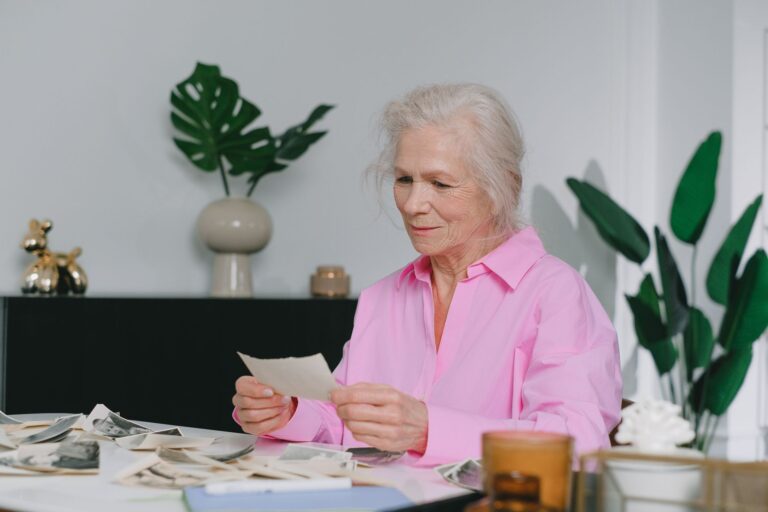
Start with material the person recognizes and enjoys. Useful topics include family, work, homes, schools, places, important events, hobbies, preferences, values, and everyday routines. dementia UK recommends involving the person in choosing both the format and content, whenever possible. Dementia UK's life-story guidance Use familiar photographs, short stories, music references, postcards, recipes, or copies of meaningful documents.
A page might show a wedding photograph with the names of people pictured, or a former workplace with one sentence about what the person did there. Do not assume every important event belongs in the book. Leave out material that causes distress, exposes private information, or could create conflict. Dementia UK notes that upsetting events may belong in a separate document for carers rather than in the person's book.
How should you set it up?
Make one clear idea fit on each page or spread. Use large, readable text, strong contrast between two colours, and plain backgrounds with few patterns. Familiar photocopies or scanned photographs can protect original items while keeping the book personal.
Practical supplies may include: Dementia UK's practical guidance recommends clear large text, contrasting colours, minimal patterns, and laminating completed pages to make them more durable and wipeable. Dementia UK's 2017 life-story guidance Avoid making the book visually crowded. If a photograph already carries the page, add only a name, place, date if useful, or one brief sentence.
- A sturdy album, binder, or paper booklet
- Copies of photographs and keepsakes
- Large-print labels and short captions
- Plain paper or card in contrasting colours
- Clear protective sleeves or materials for laminating finished pages
How do you use it during middle-stage dementia?
Choose a time when the person is usually alert and comfortable. Offer one page or one simple activity at a time, and provide help getting started if needed. Adapt the book to changes in vision, hearing, attention, preferences, and remaining abilities. The Alzheimer's Association's activity guidance Talk about what the page brings to mind instead of asking for a correct answer.
You might say, "This looks like the seaside," or "Tell me about this house," and accept pointing, gestures, partial answers, or quiet attention as participation. Follow the person's response. Pause, change the subject, or return later if attention fades or frustration rises. The Alzheimer's Association advises focusing on enjoyment rather than achievement, so there is no need to finish a page or complete the book in one sitting.
What safety and privacy issues matter?
Use adult-respectful materials and avoid toxic substances, sharp tools, and complicated steps without assistance. Allow plenty of time, especially if the person wants to help select photographs, arrange pages, or add colours.
Watch for signs that a page is not helping: Life-story work can bring up loss, guilt, or distress connected with missing memories, according to research reported in *The Gerontologist*. The 2024 *Gerontologist* article Remove, replace, or reserve a troubling page for private carer notes.
- The person becomes visibly upset or withdrawn
- A memory gap causes embarrassment or distress
- The material triggers grief, guilt, fear, or conflict
- Private information could be seen by visitors or unfamiliar carers
- The person repeatedly says no or tries to stop
What can the book realistically achieve?
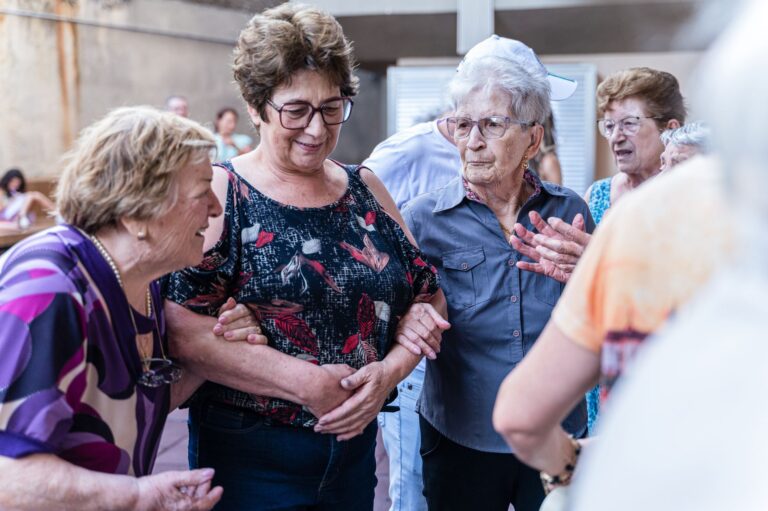
A life story book may help prompt reminiscence, support conversation, and give carers useful knowledge about the person. It should remain an ongoing project rather than a finished biography, because interests, needs, and care circumstances can change. The evidence is promising but limited.
A 2017 systematic review found that studies of life-story work were often small single-case or pilot trials, so firm claims about effectiveness are not established. The University of Twente review in *Innovation in Aging* Keep revising the book around what the person enjoys now. A smaller book with five calming, familiar pages may be more useful than a complete biography that demands too much attention.
Frequently Asked Questions
Should the book test whether someone remembers correctly?
No. Use it for shared reminiscence and connection, not for correcting answers or measuring recall.
What if the person does not want to participate?
Do not force it. Put the book away, try a different page or activity, or return another day.
Is a digital book better than a paper book?
Choose the format the person helps select and can comfortably use. Paper pages can be made durable and wipeable, while photographs and pictures may remain useful when reading becomes difficult.