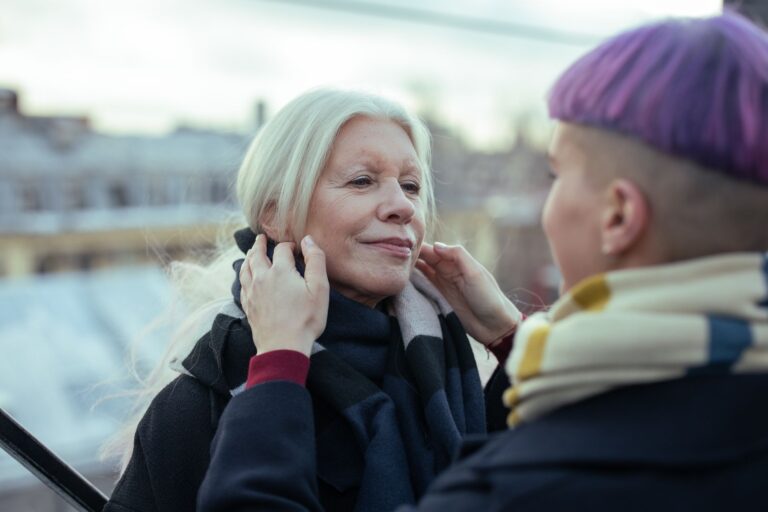
A museum visit can work for someone living with dementia, but it should be quieter, shorter, and easier to leave than a fixed day out. Plan around noise, familiar seating, and fatigue rather than trying to complete every exhibit. Museum programs are a promising participation and wellbeing resource for people with dementia and primary caregivers. However, a 2025 umbrella review found no consistent, statistically robust proof of benefit because the studies differed widely, so each visit should be treated as an individual choice.
Medical information disclaimer: This article is for general educational purposes only and does not provide medical advice, diagnosis, or treatment. Always consult a physician or other qualified health professional about symptoms, medications, tests, or treatment decisions.
Table of Contents
- Is a museum visit a good fit?
- What should you check before booking?
- How can you reduce noise and confusion?
- Why do seating and fatigue matter?
- When should you leave?
Is a museum visit a good fit?
People living with dementia can often continue valued activities when those activities match their current abilities. A smaller museum, a quieter gallery, or a brief visit may be more workable than a large social gathering, according to the Alzheimer's Association's activity guidance (Alzheimer's Association). Dementia affects people differently.
One visitor may feel frightened or distressed by noise and fast movement, while another may mainly become tired quickly. Use the person's recent reactions and preferences to shape the plan instead of assuming a standard level of tolerance. A successful visit does not require seeing the whole museum. The useful goal may be one gallery, a familiar exhibit, or time spent looking together before returning home.
What should you check before booking?
contact the museum or check its visitor information before choosing a date. Look for a quiet area, sensory information, accessible fixed or portable seating, and details about the building and visit. These are features identified in a dementia-friendly venue framework from the Greater London Authority (Dementia-Friendly Venues Charter Framework).
Choose a less crowded time when possible. Busy places can be more confusing for people with dementia, and allowing extra travel time can reduce pressure before the visit begins, according to the Alzheimer's Society (Alzheimer's Society transport and travel tips). Before committing, check:.
- Whether the museum has a quiet room or low-stimulation area
- Where the nearest obvious benches and toilets are
- Whether staff can explain the easiest entrance and exit
- How long the journey and return trip are likely to take
- Whether you can change plans without penalty or difficulty
How can you reduce noise and confusion?
Limit unnecessary noise, rushing, and competing activity. A quieter time, a smaller route, and one supportive companion may help the visitor stay oriented without demanding constant conversation. Ask where the museum's quiet space is before entering the galleries.
The Alzheimer's Society recommends limiting excess noise and providing a quiet area; a few minutes with a supportive person may help someone who feels anxious or confused (Alzheimer's Society dementia-friendly environment checklist). Watch for signs that the setting has become too demanding, such as rising frustration, visible distress, or difficulty maintaining attention. Move to a quieter place, shorten the route, or leave rather than adding more instructions.
Why do seating and fatigue matter?
Seating should be easy to notice and understand. The Alzheimer's Society recommends obvious, conventional seating and seating in waiting areas because a familiar bench may be easier to recognize and use than an abstract design (Alzheimer's Society dementia-friendly environment checklist). Do not wait until the visitor is exhausted before stopping.
Plan a rest point early, keep the route flexible, and treat fatigue as information about the person's current capacity rather than as a failure. A practical rhythm might be one gallery followed by a seated break. If the visitor seems comfortable, continue; if attention wanes or frustration rises, end or modify the activity.
When should you leave?
Make the exit part of the plan from the beginning. A short, flexible visit with an easy way home is preferable to following a fixed itinerary, especially when the visitor's attention or comfort changes.
Leave when the person is becoming distressed, confused, unusually frustrated, or too tired to engage. You can also stop after a positive moment, before fatigue changes the experience. The best plan is adjustable:.
- Start with one small goal
- Rest before the person needs an urgent break
- Skip crowded rooms or noisy events
- Use the quiet area if anxiety or confusion appears
- Leave without treating an unfinished route as a problem