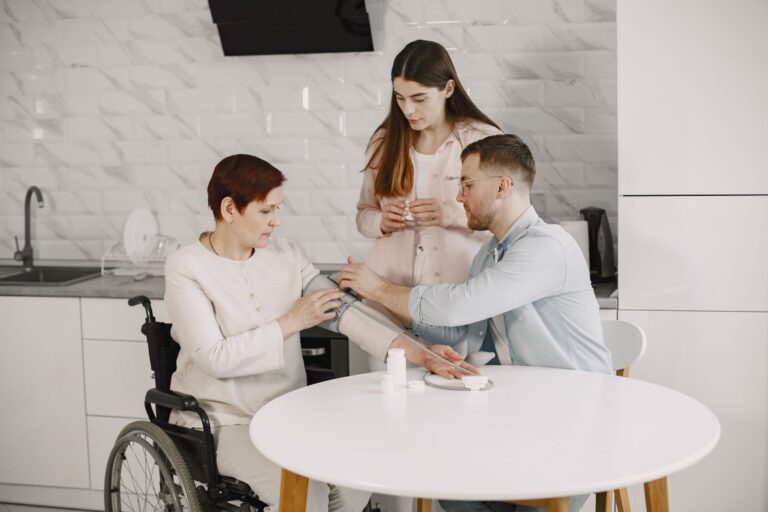
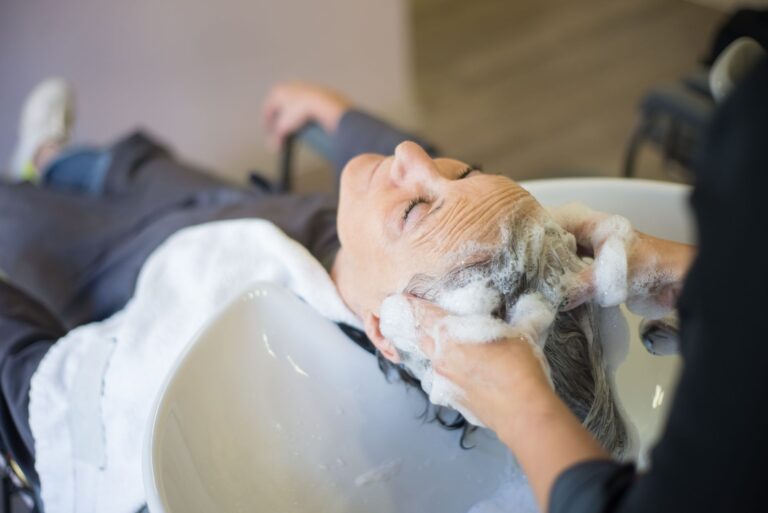
A simple hairdresser communication note should state how the person communicates, what haircut they want, and which salon sensations may upset them. For someone with dementia and aphasia—a condition that affects speaking or understanding language—the note should help the stylist include the client, not speak around them. Keep the note to one page, use plain language, and bring a photo of the preferred result. Share it discreetly before the appointment so the stylist can adjust their approach without making the person feel excluded.
Medical information disclaimer: This article is for general educational purposes only and does not provide medical advice, diagnosis, or treatment. Always consult a physician or other qualified health professional about symptoms, medications, tests, or treatment decisions.
Table of Contents
- Why can a salon visit be difficult?
- What should the note tell the stylist?
- Record the haircut and sensory preferences
- A simple note you can copy
- Plan how the note will be used
Why can a salon visit be difficult?
dementia can affect word-finding, understanding, attention, and the ability to filter background noise. The National Institute on Aging explains that these changes can interfere with everyday conversation and communication with someone who has Alzheimer's. A salon combines conversation with music, hairdryers, mirrors, movement, and unfamiliar people.
A person may know what they want but struggle to say it, follow several questions, or concentrate while other conversations are happening. The note should describe that individual rather than dementia or aphasia in general. Abilities, preferences, and sources of distress differ from person to person and may change over time.
What should the note tell the stylist?
Focus on instructions the stylist can follow during the appointment. Include only information relevant to communication, consent, comfort, and the requested service.
A useful note might cover: The Alzheimer's Society recommends calm surroundings, simple language, limited choices, and enough time to respond when communicating with a person who has dementia. The National Aphasia Association similarly advises communication partners to speak clearly, allow extra time, and acknowledge misunderstandings in its caregiver guide.
- Speak directly to me and face me.
- Use short sentences and discuss one thing at a time.
- Ask simple questions or offer two clear choices.
- Give me time to answer without interrupting.
- Show me, point, write, or use pictures if words are difficult.
Record the haircut and sensory preferences
Add a recent photo showing the preferred hairstyle. Pictures, gestures, pointing, and writing can support spoken communication, according to the American Speech-Language-Hearing Association's communication guidance.
Use checkboxes for decisions that might otherwise require a long explanation: Do not treat an old preference as permanent. Hair, grooming, and scent can matter to personal identity, so ask the person what they want whenever they can participate.
- Usual cut: trim only / shorter cut / see attached photo
- Shampoo: yes / no / ask me
- Hairdryer: okay / no / low and brief
- Drying: blow-dry / towel dry
- Products or scent: okay / avoid / ask me
A simple note you can copy
Name: ____________________ Preferred name: ____________________ I may have difficulty finding words or understanding long questions. Please speak directly to me, face me, and use one short sentence at a time. Please give me time to answer. Offer two clear choices when possible.
You may also show me, point, write key words, or use the attached hairstyle photo. Today I want: ____________________ Please do not change the style or length without checking with me. Hairdryer: yes / no / low setting only Towel dry preferred: yes / no Mirror preference: ____________________ Products or scents to avoid: ____________________ Signs I need a break: ____________________ My companion may help if I ask or agree. If you are unsure what I mean, please tell me and check again rather than guessing.
Plan how the note will be used
Contact the salon before the visit and ask whether a quieter appointment is possible. Give the note to the stylist before the service begins, then allow time for them to read it. A companion can clarify information, point to the hairstyle photo, or notice discomfort.
However, the stylist should continue addressing the client and ask whether help is wanted instead of automatically transferring the conversation. Review the note before every appointment. Replace the photograph when the preferred style changes, remove instructions that no longer fit, and update sensory choices such as "dryer okay" or "towel dry preferred.".