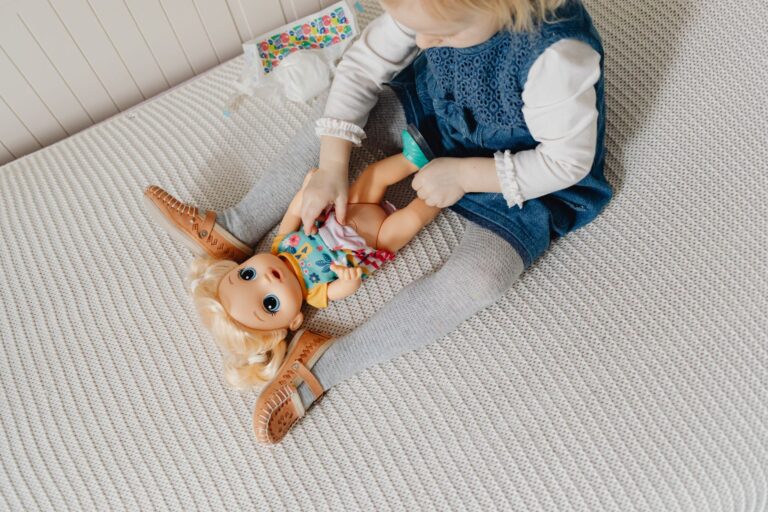
Reduce frustration during doll therapy by keeping the activity optional, following the person's cues, and removing the doll calmly when distress appears. Reintroduce it only when the person is calm and willing. Doll therapy means offering a doll as a comfort or activity object to someone with dementia. It may ease some symptoms, but it does not suit everyone and should never override dignity, personal history, or basic care needs.
Medical information disclaimer: This article is for general educational purposes only and does not provide medical advice, diagnosis, or treatment. Always consult a physician or other qualified health professional about symptoms, medications, tests, or treatment decisions.
Table of Contents
- Let the person control the activity
- Choose the doll with care
- Respond early to signs of frustration
- Know when to pause or stop
- Keep shared care consistent
- Check for health causes of sudden distress
Let the person control the activity
Place the doll within reach and allow the person to approach it. Do not push it into their arms, demand a response, or correct how they interact with it. Follow the person's language.
If they call it a doll, use "doll." If they choose another name, use that name. Alzheimer's Society advises carers not to call it a "baby" unless the person does and never to treat the adult as a child in its guidance on doll therapy. Staff should present the doll as an optional comfort or activity object, not as a real infant. If the person refuses it or becomes upset, remove it without argument or pressure, according to the 2026 Frontiers in Public Health study.
Choose the doll with care
When possible, let the person choose among several dolls or toy animals. Notice their response to the object's color, texture, weight, face, and eyes rather than assuming one design will feel comforting. Closed eyes, for example, may suggest peaceful sleep to one person but appear troubling or unresponsive to another.
Alzheimer's Society recommends letting the person choose because these physical details can shape their reaction in The Activities Handbook. Consider the person's life history before introducing the activity. Pregnancy loss, separation from children, or other painful experiences involving caregiving may make a doll distressing. When history is uncertain, introduce it gently and treat discomfort as meaningful rather than as noncompliance.
Respond early to signs of frustration
Watch what happens before, during, and after the doll is offered. A person may show distress by refusing contact, repeatedly trying to leave, becoming agitated, guarding the doll, or arguing about ownership.
When frustration appears: Do not reintroduce the doll simply because it helped on another day. A previous positive response does not establish consent or comfort now.
- Lower demands and stop asking the person to hold or care for the doll.
- Acknowledge the emotion without debating whether the doll is real.
- Move the doll out of immediate view calmly if the person permits.
- Offer space or a familiar alternative activity.
- Wait until the person is settled before considering another attempt.
Know when to pause or stop
Review doll use when distress continues, the person becomes possessive, or the activity causes conflict. Stop or modify it if it interferes with eating, sleeping, hygiene, medication, assessment, or other clinical care. A 12-week nursing-home study found a 4.40-point improvement in NPI-12 neuropsychiatric symptom scores compared with routine care.
However, staff contact and activity time were not matched, so the doll's independent effect remains uncertain. The result supports careful individualized trials, not pressure to continue when a person is distressed. Record what triggered the problem, what helped, and whether the person later sought the doll. Repeated distress or disruption is a reason to discontinue the activity rather than keep testing tolerance.
Keep shared care consistent
In a shared setting, prevent avoidable disputes by making each person's doll easy to identify. Different clothing can distinguish similar dolls and reduce ownership confusion. The care plan should record: Consistent notes help each shift follow the person's preferences instead of repeatedly introducing the doll in ways that have already caused frustration.
- The person's chosen name for the doll
- How and when they prefer to engage
- Signs of comfort or distress
- How they respond when the doll is moved
- Circumstances in which staff should pause or stop the activity
Check for health causes of sudden distress
Do not assume the doll caused a sudden behavioral change. Pain, constipation, or infection may be responsible, even when the change first appears during the activity.
Pause the doll therapy and look at the wider pattern. The NHS advises seeking a GP assessment for sudden changes and checking for treatable causes in its dementia behavior guidance.