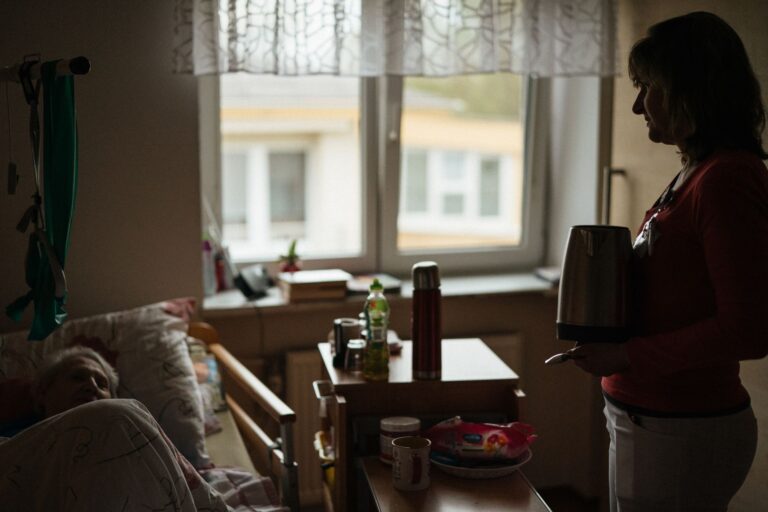
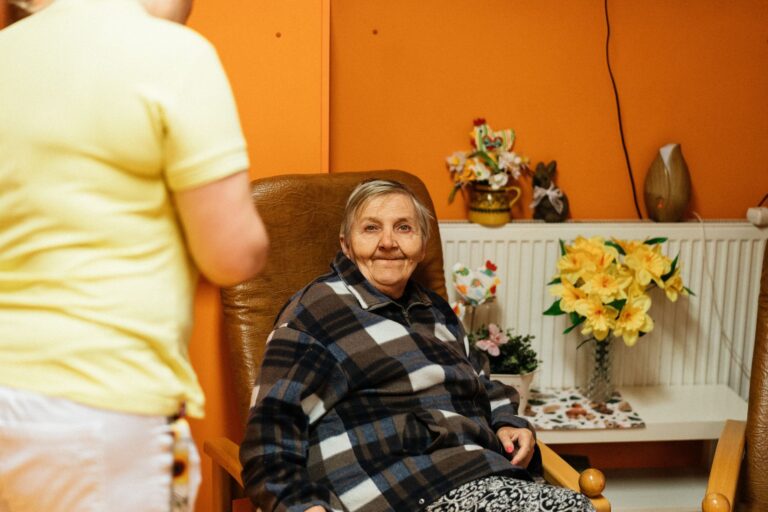
A grandchild becomes a dementia caregiver before starting a career when a grandparent's needs begin shaping the young person's education, work, and daily life. This situation is documented, but researchers cannot quantify it as a distinct U.S.
caregiving population. A dementia caregiver provides unpaid help to someone whose cognitive decline affects daily life. The role may include household tasks, personal care, supervision, transportation, or coordination—often while the grandchild is still building an independent future.
Medical information disclaimer: This article is for general educational purposes only and does not provide medical advice, diagnosis, or treatment. Always consult a physician or other qualified health professional about symptoms, medications, tests, or treatment decisions.
Table of Contents
- How common is early caregiving?
- How can caregiving alter education and work?
- When is the arrangement becoming unsustainable?
- How can a family protect the grandchild's future?
- Does federal family leave cover a grandparent?
How common is early caregiving?
Research specifically about grandchildren caring for grandparents with dementia is limited. A 2021 systematic review found only 12 eligible studies, with caregivers ranging from childhood through middle adulthood. The authors confirmed that grandchildren perform meaningful care but could not establish how many begin before entering a career in the review published by Dementia. Broader U.S.
evidence shows that caregiving can start early. In a nationally representative sample of people who had ever provided unpaid care, 2.1% said their first episode began before age 18. Another 4.3% began between ages 18 and 25. These figures include different relationships, health conditions, and types of care. They describe early caregiving overall—not young people caring specifically for grandparents with dementia.
How can caregiving alter education and work?
Early caregiving competes with the same limited hours needed for classes, training, applications, paid work, and rest. A grandchild may miss lectures for appointments, decline shifts because supervision is needed, or choose nearby work to remain available. The long-term pattern deserves attention. The U.S. study found that people who began caregiving by age 25 had lower postsecondary education and, by age 60, predicted Social Security values 12% below later-starting caregivers and 23% below non-caregivers according to Health Affairs Scholar.
Those results do not prove that caregiving caused the differences. The study was retrospective and descriptive, and it combined care recipients and conditions. Financial hardship, family circumstances, health, and access to education may also influence both early caregiving and later outcomes. The practical lesson is not that a young caregiver's future is fixed. It is that interrupted education or work should be treated as a concrete cost of the care arrangement—not dismissed as temporary family inconvenience.
When is the arrangement becoming unsustainable?
Hours alone do not tell the whole story. A few unpredictable hours can disrupt work more than a larger, dependable block. Tasks involving personal care, household duties, or constant availability may also carry a heavier emotional burden. A U.S.
analysis included 311 adult grandchildren and found that those caring for a grandparent with dementia were more likely to report depression. Within that group, personal care, household tasks, and employment were also linked with depression in the International Journal of Aging and Human Development study. Warning signs worth acting on include: A young caregiver does not need to wait for a crisis before raising these problems. A recurring disruption is enough reason to reconsider who does each task and when.
- Repeatedly missing classes, shifts, interviews, or application deadlines
- Giving up paid work because no backup caregiver is available
- Performing intimate or difficult tasks without instruction
- Being unable to leave the grandparent safely, even briefly
- Feeling persistently overwhelmed, trapped, or unable to plan
How can a family protect the grandchild's future?
Start by turning an informal expectation into a visible care plan. Record the tasks, their frequency, the time they require, and what happens if the grandchild is unavailable.
Include supervision and coordination time, not only hands-on care. Then separate tasks that require the grandchild from tasks another person could handle: The key decision is whether the arrangement depends on the grandchild sacrificing an open-ended amount of education or employment. If it does, the family needs a different division of labor, additional support, or both.
- Identify relatives who can cover fixed shifts or specific appointments.
- Schedule protected time for classes, paid work, interviews, and sleep.
- Name a backup person for urgent situations.
- Keep a shared list of medications, contacts, appointments, and responsibilities.
- Revisit the plan when symptoms, work schedules, or school demands change.
Does federal family leave cover a grandparent?
Federal Family and Medical Leave Act protection generally does not apply merely because the person receiving care is a grandparent. An eligible worker may qualify when the grandparent stood *in loco parentis*—meaning in a parental role—during the worker's childhood under U.S.
Department of Labor guidance. Before relying on leave, the worker should check: A biological or legal grandparent relationship alone does not establish federal FMLA coverage.
- Whether the employer and employee meet FMLA eligibility requirements
- Whether the grandparent actually served in a parental role during childhood
- What information the employer requires to establish that relationship
- Whether another workplace leave policy may apply