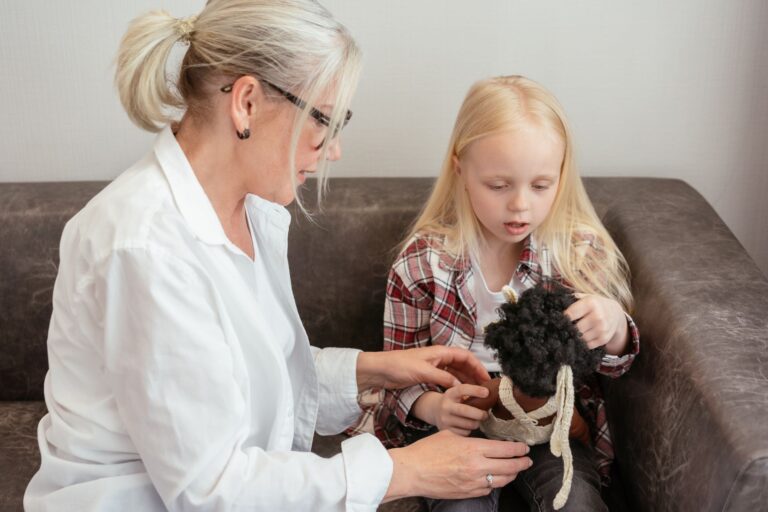
Simplify doll therapy by reducing it to what the person can comfortably enjoy now, even if that means only holding or sitting beside the doll. Help them begin, offer one step at a time, and stop or scale back at the first signs of frustration. Doll therapy is an optional comfort activity in which a person with dementia holds, talks to, or cares for a doll. It does not require elaborate caregiving tasks or a fixed routine.
Medical information disclaimer: This article is for general educational purposes only and does not provide medical advice, diagnosis, or treatment. Always consult a physician or other qualified health professional about symptoms, medications, tests, or treatment decisions.
Table of Contents
- Match the activity to current abilities
- Use a simple progression
- Let preference guide the choice
- Know when to pause or stop
- Keep expectations realistic
Match the activity to current abilities
There is no evidence-based schedule for changing doll therapy as dementia progresses. The National Institute on Aging recommends matching activities to remaining abilities, helping the person get started, adjusting assistance, and simplifying when frustration appears in its guidance on adapting activities. Watch what happens during the activity rather than judging success by completed tasks.
A person who once dressed the doll may later prefer smoothing its blanket, touching its hands, or simply holding it. Offer only as much help as needed. Demonstrate one movement, place an item within reach, or begin the task and let the person continue if they wish.
Use a simple progression
Begin with the least demanding version that still seems meaningful. Add another step only when the person appears comfortable and interested.
A practical progression might be: Later-stage dementia does not make the activity pointless. The Alzheimer's Society notes that holding or caring for a doll or toy animal may feel calming and meaningful, so quiet contact can be the whole activity rather than a reduced version of a more complex session.
- Keep the doll nearby without asking the person to do anything.
- Offer the doll to hold.
- Suggest one simple action, such as covering it with a blanket.
- Present one familiar item, such as a brush or piece of clothing.
- Allow conversation or pretend caregiving only if the person initiates or enjoys it.
Let preference guide the choice
When possible, let the person choose between dolls, toy animals, or no object at all. Color, texture, weight, facial features, and closing eyes may influence whether an object feels appealing or unsettling. Avoid assuming that a realistic "dementia doll" will work best.
A soft toy animal or familiar-looking doll may receive a warmer response, while another person may show no interest. Introduce the object without assigning a role. Place it within sight or say, "Would you like to hold this?" Do not insist that it is a baby, correct the person's interpretation, or test whether they understand what it is.
Know when to pause or stop
Refusal is useful information. Set the doll aside without pressure if the person turns away, pushes it back, becomes tense, or says no.
Reassess the activity when you notice: A 2026 nursing-home trial used persistent distress, conflict, possessiveness, and interference with essential care as reasons for individual review or discontinuation during staff-mediated doll sessions. Families and staff should also agree to handle the object respectfully, because strong attachment may make casual removal upsetting.
- Repeated distress, fear, or agitation
- Possessiveness or conflict when someone touches the doll
- Worry about feeding, losing, or protecting it
- Interference with eating, sleep, hygiene, or clinical care
- A response that has changed from comfort to distress
Keep expectations realistic
Doll therapy may improve mood, communication, or some disruptive behaviors, but results are not consistent. A 2022 systematic review of seven clinical trials found possible benefits, while one trial found no improvement in anxiety, agitation, or aggressiveness and the overall evidence had important quality limitations. The research does not establish that doll therapy preserves daily function as dementia abilities change.
Only one included study examined activities such as eating, most lacked follow-up, and study methods could have overstated benefits. Treat the doll as an optional source of comfort, not a treatment that must work. Prior caregiving experiences, birth trauma, or child loss may also shape the response, so introduce it gently and remove it when the person appears uncomfortable.