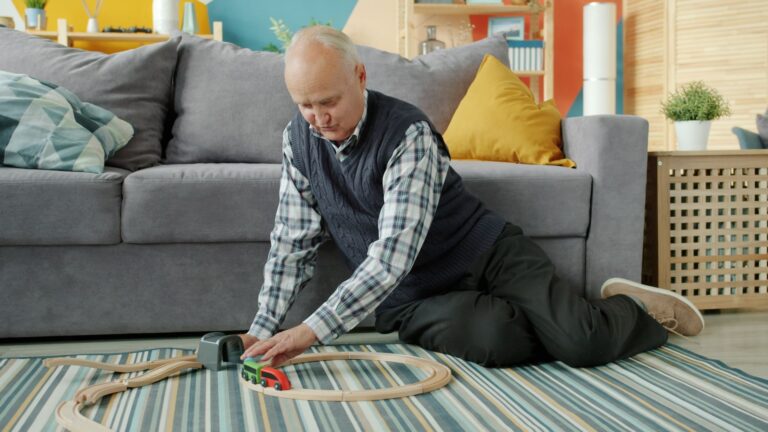
Yes, doll therapy can ease agitation and other behavioral or psychological symptoms for some people with moderate or advanced dementia. It does not work for everyone, improve cognition, or replace medical treatment. Doll therapy is a person-centred activity in which someone chooses to hold, care for, or interact with a doll. The aim is comfort, pleasure, or a sense of purpose—not testing whether the person believes the doll is real.
Medical information disclaimer: This article is for general educational purposes only and does not provide medical advice, diagnosis, or treatment. Always consult a physician or other qualified health professional about symptoms, medications, tests, or treatment decisions.
Table of Contents
- What benefits does the evidence show?
- What doll therapy cannot do
- Why results differ between people
- How to try doll therapy respectfully
- How to decide whether it is helping
What benefits does the evidence show?
The strongest overall finding is a possible improvement in behavior and emotional well-being. A 2023 Geriatric Nursing meta-analysis of 10 nursing-home studies found improvements in overall behavior, including agitation, and in psychological states. Individual trials reported similar benefits.
In one randomized study, 134 women with moderate-to-severe dementia received 30 doll-therapy sessions or used a sham cube. Doll therapy reduced neuropsychiatric symptoms and staff distress more than the comparison activity. A separate 90-day Italian nursing-home trial found reductions in agitation, aggression, low mood, wandering, and apathy. It also found lower burden among professional caregivers.
What doll therapy cannot do
Doll therapy has not been shown to restore memory or slow cognitive decline. The 2023 meta-analysis found no significant improvement in cognition, even though behavior and psychological symptoms improved. A Turkish randomized study of 29 people reached the same broad distinction.
Eight weeks of doll therapy reduced agitation and behavioral problems but did not significantly improve cognitive-test scores. The practical goal should therefore be modest and observable. A useful response might be calmer behavior, greater pleasure, or meaningful engagement—not better test scores or regained abilities.
Why results differ between people
The evidence is promising but mixed. A 2018 Australian pilot randomized trial involving 35 residents found no significant reduction in anxiety, agitation, or aggression after three weeks. However, observers recorded greater pleasure in the doll group. Some positive studies may also overstate how widely the results apply.
The 52-person Italian trial enrolled only residents who had already reacted positively to a doll. Six otherwise eligible residents with neutral or negative reactions were excluded. A 2026 feasibility trial likewise recorded absent or adverse responses among some residents. It found a preliminary reduction in neuropsychiatric symptoms after 12 weeks, but no medication-dose difference or sustained functional improvement.
How to try doll therapy respectfully
Treat the doll as an optional activity rather than an assigned intervention. The person's response matters more than a caregiver's hope that the activity will work.
The Alzheimer's Society Activities Handbook advises offering rather than imposing a doll or toy animal. It notes that some people in later-stage dementia find these objects calming and purposeful.
- Place the doll or a toy animal where the person can notice it.
- Invite interaction without insisting on it.
- Let the person decide whether to hold, move, or ignore the object.
- Observe whether the activity brings calm, pleasure, or purposeful engagement.
- Remove the object if the person becomes upset, fearful, or uncomfortable.
How to decide whether it is helping
Look for a consistent change in the symptoms or experiences that prompted the trial. Examples include less agitation during the activity, visible pleasure, or easier engagement with a caregiver. Caregiver involvement may influence the outcome.
The 2023 meta-analysis found greater benefits when caregivers coordinated the intervention. That makes a shared, consistent approach more useful than offering the doll unpredictably. Stop the activity when distress appears, even if it helped previously. A positive response cannot be assumed from diagnosis or dementia stage alone.