In 2026, "toys for dementia care" are person-centred activity aids that may offer comfort, engagement, or meaningful activity. They do not reverse dementia, improve memory reliably, or slow the disease. These aids can help some people, particularly those with moderate-to-severe or later-stage dementia, while also affecting family and professional caregivers. The World Health Organization reports that dementia affected more than 57 million people in 2021, with nearly 10 million new cases annually in its updated dementia fact sheet.
Medical information disclaimer: This article is for general educational purposes only and does not provide medical advice, diagnosis, or treatment. Always consult a physician or other qualified health professional about symptoms, medications, tests, or treatment decisions.
Table of Contents
- Who might benefit?
- What kinds of aids are worth considering?
- What does the evidence show?
- How can caregivers choose respectfully?
- What should you do next?
Who might benefit?
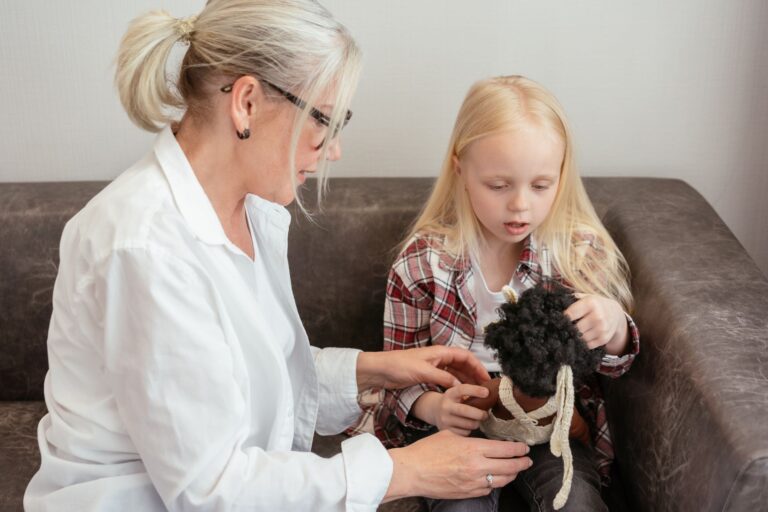
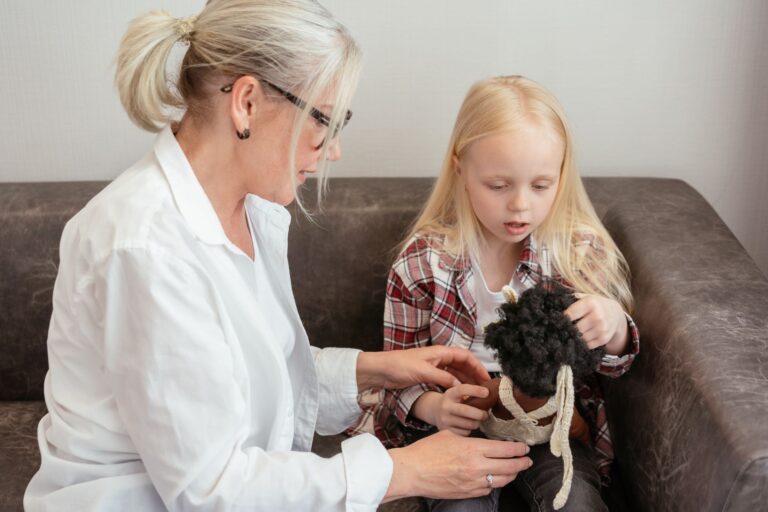
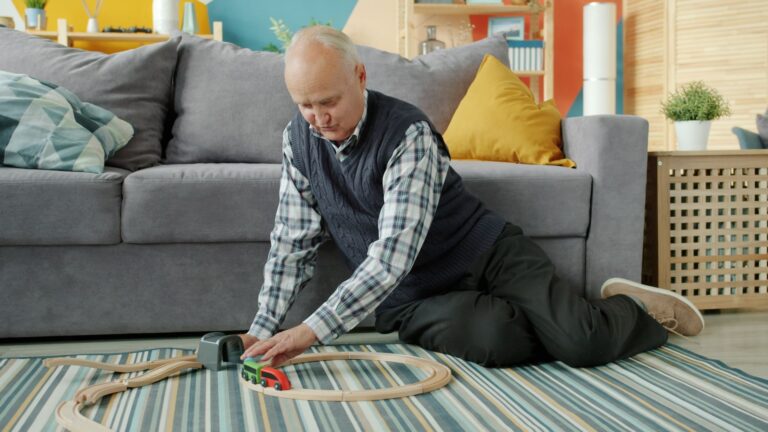
A person who enjoys nurturing, sorting, building, or handling familiar objects may respond well to an activity aid. Someone in later-stage dementia might find a doll or soft animal calming. A former mechanic might prefer a model vehicle or safe, familiar-looking tools. The Alzheimer's Society notes that dolls, toy animals, models, and objects connected to former jobs or hobbies can support meaningful activity in its activities handbook.
The individual response matters more than the product category. Not everyone will benefit. An object that comforts one person may confuse, upset, or irritate another. Dementia stage alone cannot determine whether an aid is suitable.
What kinds of aids are worth considering?
Start with the person's identity, interests, and retained abilities. Avoid choosing an item solely because it carries a "dementia" label.
Possible options include: Feel, colour, weight, sound, and facial features can change the response. Whenever possible, let the person see or handle several options before selecting one.
- A doll or toy animal for someone who enjoys nurturing activities
- A model linked to a former occupation or long-standing hobby
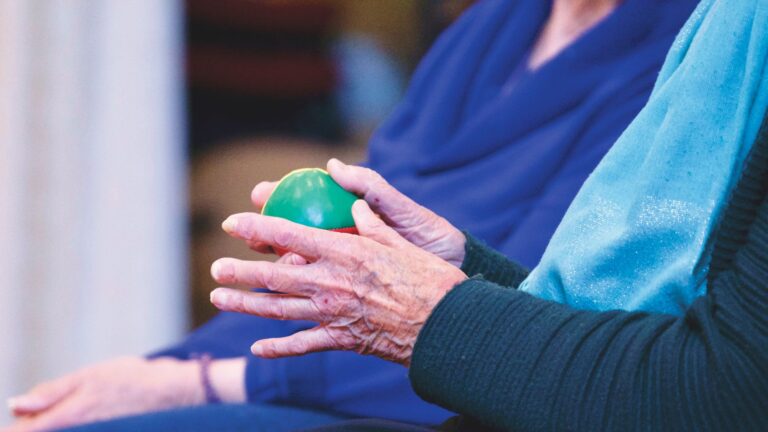
- Familiar objects that can be safely sorted, arranged, folded, or handled
- Simple hands-on activities with clear steps and no pressure to finish
What does the evidence show?
The most developed toy-specific research concerns doll therapy in institutional care. A 2024 meta-analysis of 10 studies found improvements in behavioral and psychological symptoms, including agitation, but no statistically significant cognitive improvement, according to the Geriatric Nursing review. A 2022 single-blind randomized trial involved 134 women with moderate-to-severe dementia in nursing homes.
After 30 days, doll therapy reduced neuropsychiatric symptoms and professional-caregiver distress more than a sham cube activity, as reported in the Journal of Clinical Medicine study. These findings suggest that a well-matched doll may help manage distress or behavior for some nursing-home residents. They do not establish that dolls improve cognition, prevent dementia, or slow its progression. The evidence also may not apply equally to men, people living at home, or those with milder dementia.
How can caregivers choose respectfully?
Treat the object as an optional adult activity, not as a way to make the person behave. Do not assume that someone wants a doll because they once raised children, or that they will accept being treated as a child.
Before use, check: Use adult language and follow the person's lead. If they call a doll a baby, there is usually no need to force a correction during the activity. If they regard it simply as a doll, caregivers should not impose another meaning.
- Does the person show interest, comfort, or curiosity?
- Does the object connect with a familiar role or preference?
- Could small parts, sharp edges, toxic materials, or excessive weight cause harm?
- Can the person use it without being corrected or tested?
- Is supervision available if the activity requires it?
What should you do next?
Introduce one activity during a calm period and keep the first attempt brief. Demonstrate a simple action, such as holding, brushing, sorting, or arranging, then allow the person to respond without pressure.
Watch for practical outcomes rather than expecting cognitive improvement: Stop, simplify, or replace the activity when frustration rises or attention fades. If the object creates distress, repeatedly disrupts necessary care, or introduces a safety risk, remove it calmly and try an activity tied more closely to the person's familiar interests.
- Continued interest or relaxed attention
- Less visible agitation or distress
- Enjoyment, conversation, or purposeful movement
- Frustration, fear, fixation, or loss of interest
You Might Also Like
- Blog News for Dementia Care Explained for 2026: Who It Affects, Key Evidence, and What to Do Next
- How to Verify Toys for Dementia Care Claims in 2026: FDA, NIH, WHO, and CMS sources, Evidence, and Red Flags
- What Is New With Toys for Dementia Care in August 2026? Latest FDA, NIH, WHO, and CMS sources and Key Takeaways