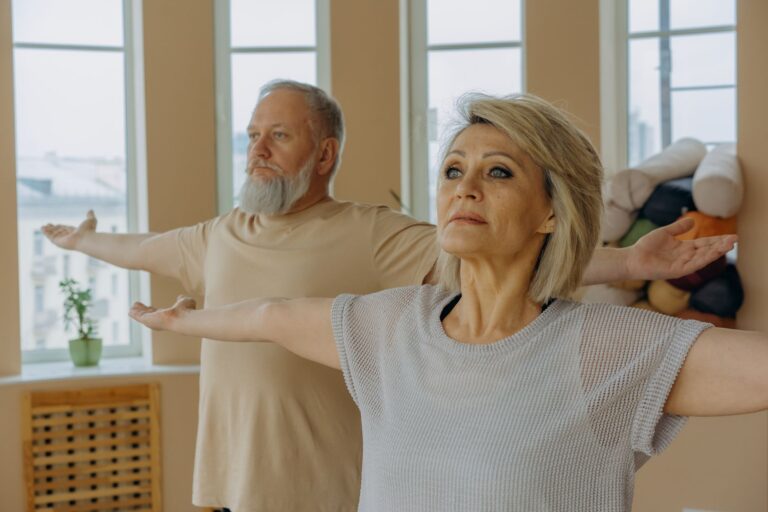
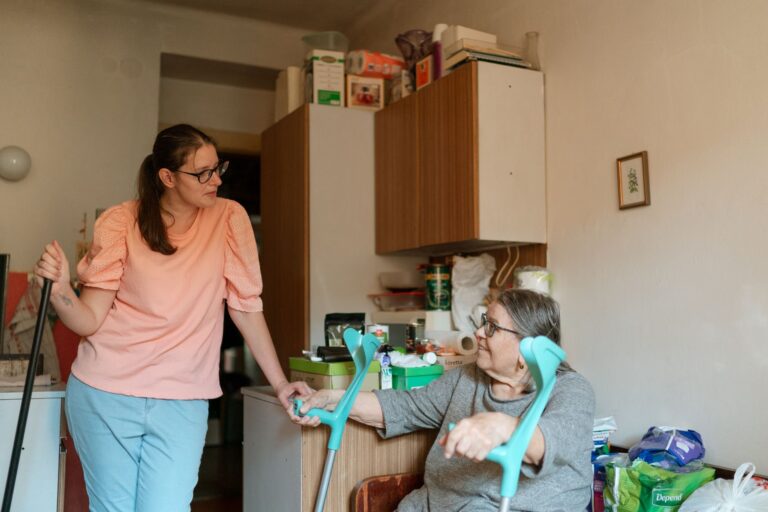
Yes, chair yoga can work as a supervised, adapted activity for some people with moderate or advanced dementia. It may support movement and quality of life, but it is not proven to slow dementia or outperform other activities consistently. Chair yoga is gentle yoga adapted so a person can remain seated. The limited research suggests it is feasible for some people with substantial cognitive impairment, although the evidence is too weak to predict individual benefits.
Medical information disclaimer: This article is for general educational purposes only and does not provide medical advice, diagnosis, or treatment. Always consult a physician or other qualified health professional about symptoms, medications, tests, or treatment decisions.
Table of Contents
- What has research found?
- How strong is the evidence?
- Who might reasonably try it?
- How to try chair yoga more safely
What has research found?
A 2014 study enrolled nine people with moderate-to-severe Alzheimer's disease, with a mean age of 83. All completed the eight-week program and improved on walking, gait-speed, and balance measures, according to the study indexed by the U.S. National Library of Medicine. Those results are encouraging, but the study had no control group.
Researchers therefore could not determine whether chair yoga caused the improvements or how it compared with another structured activity. A later feasibility trial included 31 community-dwelling adults with dementia, most with moderate-to-severe disease. Twenty-seven safely completed 12 weeks of chair yoga, music, or chair exercise. Chair yoga produced better quality-of-life scores than music, but it did not significantly outperform the comparison activities on physical function or dementia-related behavioral and psychological symptoms, according to the Florida Atlantic University research team.
How strong is the evidence?
The evidence remains preliminary. A 2023 systematic review found only 10 yoga studies involving 421 people with mild cognitive impairment or dementia, including four chair-yoga studies. Most studies reported improvements in areas such as cognition, mood, or balance. However, every included study had a high risk of bias, meaning its design could have distorted the results.
The reviewers concluded that there was insufficient high-quality evidence to establish benefits, particularly at different dementia stages, as reported in BMC Geriatrics. Safety evidence was also thin. Only four studies assessed safety, and one dizziness event was recorded. That does not show chair yoga is dangerous, but it prevents firm conclusions about its risks or benefits in advanced dementia.
Who might reasonably try it?
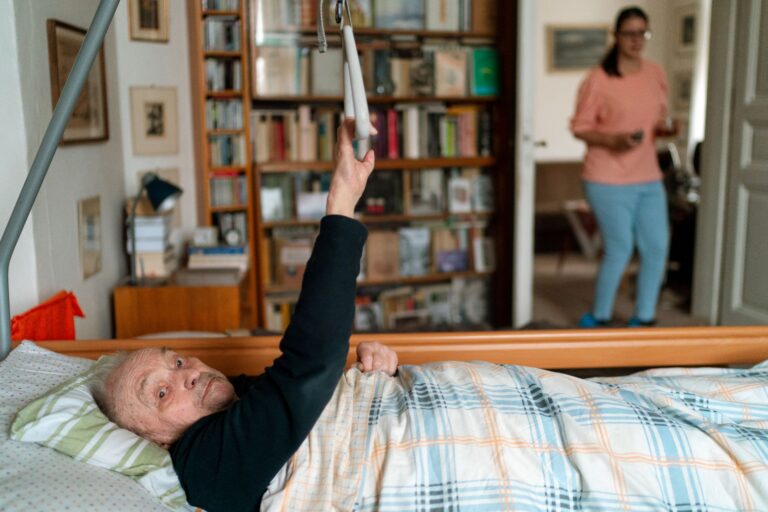
Chair yoga may suit an interested person who cannot manage standing exercise but can participate with supervision and adaptations. Moderate or advanced dementia does not automatically rule it out; the small studies show that some people at these stages can complete a program. Expect the activity to require more support as dementia progresses.
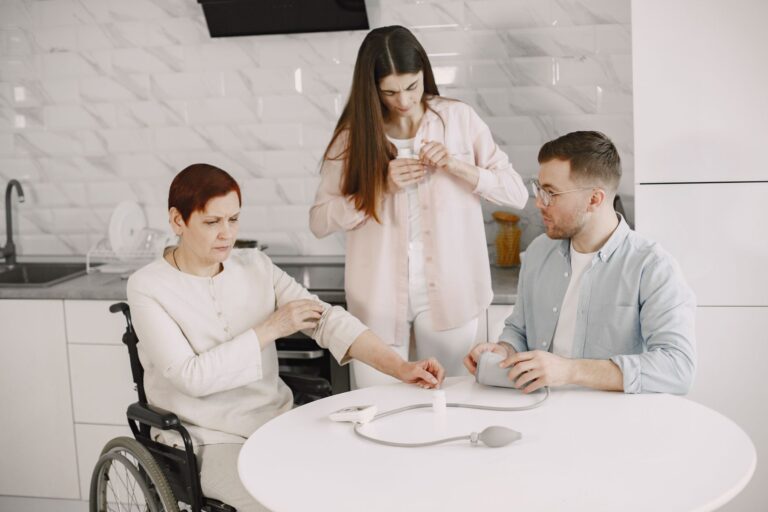
A caregiver or trained leader may need to provide assistance, and short sessions may be more realistic than a full-length class. Use the person's response to guide the decision. A reasonable trial treats chair yoga as an optional activity rather than a medical treatment, with goals such as comfortable participation, gentle movement, or enjoyment—not slowing the underlying disease.
How to try chair yoga more safely
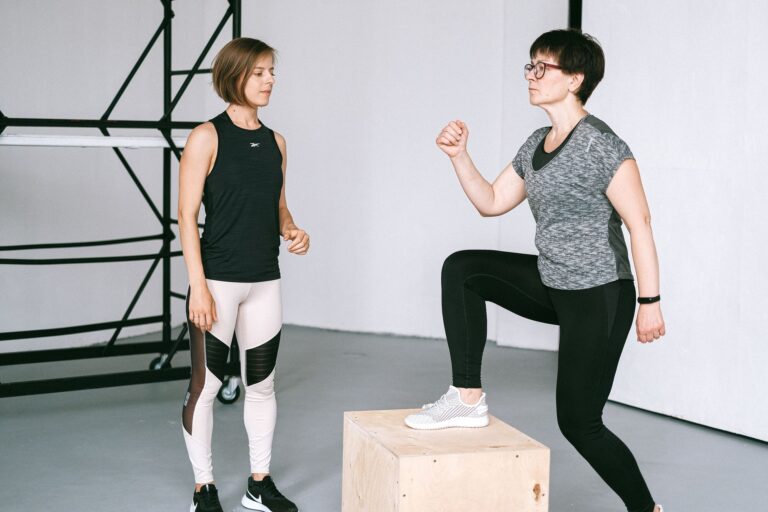
Before starting, ask a clinician whether the activity is appropriate if the person has heart or breathing problems, bone or joint conditions, balance difficulties, dizziness, or frequent falls. These issues may require closer supervision or further adaptation. For a practical first attempt: The Alzheimer's Society's exercise guidance specifically advises stopping exercise when those warning signs occur.
- Choose a short, supervised session.
- Keep the movements seated and adapted to the person's abilities.
- Arrange caregiver assistance if the person needs help participating.
- Judge success by comfort and engagement, not perfect technique or measurable improvement.
- Stop if the activity causes pain, illness, dizziness, or shortness of breath.