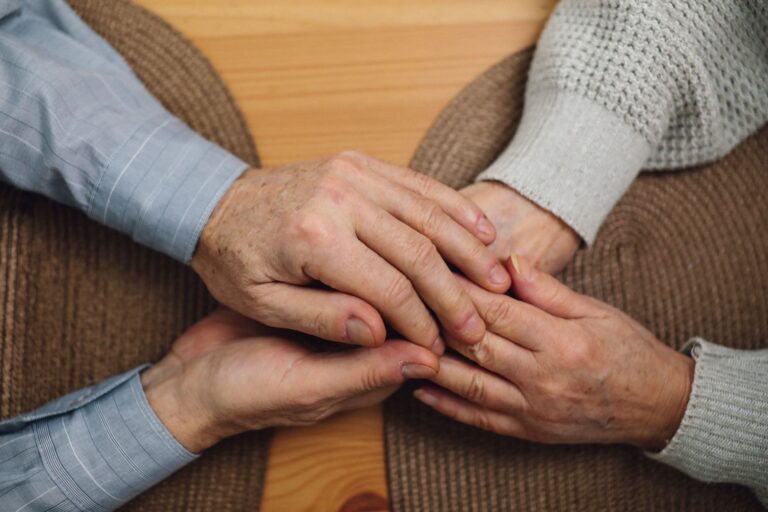
Families can preserve a loved one's sketchbooks, doodles, and artwork as a concrete way to protect their memories and inner life before Alzheimer's progresses. Artistic abilities remain relatively preserved in early-to-moderate Alzheimer's, even as memory, learning, and language decline, creating a window of time when people can continue creating art that documents their experiences. This means a person's drawings—whether casual doodles or finished sketches—are not just personal keepsakes, but a nonverbal record of who they were, how they thought, and what mattered to them during the disease's progression.
The preservation process is both practical and therapeutic. Early planning and documentation transforms memory preservation into a therapeutic family activity that comforts both the person with Alzheimer's and their caregivers. Families don't need professional tools or complex systems—they need to know what to document, when to start, and how to store it safely.
Medical information disclaimer: This article is for general educational purposes only and does not provide medical advice, diagnosis, or treatment. Always consult a physician or other qualified health professional about symptoms, medications, tests, or treatment decisions.
Table of Contents
- Why Drawing Continues When Memory Fades
- Practical Preservation Methods
- How Preserved Art Helps Right Now
- The Timing Window and What to Prioritize
- Simple Activities That Double as Preservation
Why Drawing Continues When Memory Fades
When Alzheimer's affects language and short-term memory, creative expression often remains intact. Drawing serves as a form of nonverbal documentation that allows people with dementia to express thoughts and emotions they cannot articulate verbally, creating a visual record of their perspective as their disease progresses. This means a person may struggle to describe their day in words but can still show it through sketches.
The preserved artwork becomes a window into how someone experiences the world during disease progression. A folder of sketches over months or years can reveal patterns in mood, interest, and what their mind returns to repeatedly. Unlike written journals or photographs, which require memory to interpret, drawings are the person's direct expression without translation or filtering.
Practical Preservation Methods
Start by photographing or scanning all artwork as soon as it's created. Video and audio recordings of a person's life stories, voice, and personal narratives capture more information than written documentation alone and allow families to preserve their loved one's authentic expressions.
If your loved one narrates their doodle or talks through what they're drawing, record that conversation alongside the image—their voice and explanation become part of the preserved memory. Organize digitally and physically: Paper originals fade and can be damaged; digital copies ensure your loved one's creative output survives beyond the physical artwork itself.
- Keep originals in an acid-free folder or archival box away from direct sunlight
- Back up scanned files to cloud storage and an external hard drive
- Include creation date and any context (was this drawn during a good day, a difficult moment, a conversation?)
- Create a simple memory book that blends photos, sketches, and brief notes
How Preserved Art Helps Right Now
Reviewing artwork isn't just archival—it's actively therapeutic. Creating or viewing artwork stimulates memories, prompts conversation about personal experiences, reduces depression and boredom, and produces a sense of accomplishment in individuals with dementia. Showing a loved one their own finished sketches can spark recognition and pride, even when they don't remember creating them.
The Alzheimer's Association endorses these activities for this exact reason. Art-making activities—painting, drawing, clay work, or even adult coloring—are a proven way to engage creativity, stir dormant memories, manage behavior, and reduce anxiety and agitation. For families, this means that asking someone with early Alzheimer's to sketch or doodle isn't just creating keepsakes—it's part of their care and wellbeing right now.
The Timing Window and What to Prioritize
Start preservation efforts as early as possible after diagnosis. Art therapy's benefits are most pronounced in early-to-moderate stages of dementia; preservation efforts should prioritize documenting memories in these earlier windows before severe cognitive decline occurs. This doesn't mean waiting for permission or a "right moment"—the sooner you begin collecting and documenting, the more material and context you'll capture while your loved one can still narrate and explain their own work.
Certain themes and subjects in artwork may feel more significant than others. Food-related and culinary memories show remarkable resilience in dementia because they engage multiple senses simultaneously, creating stronger neural connections than single-sense memories, so sketches involving meals, recipes, or favorite places to eat often carry weight. Similarly, drawings of people, beloved pets, homes, or meaningful activities anchor memory more strongly. Prioritize these subjects when asking your loved one to draw or reflect on their work.
Simple Activities That Double as Preservation
Warm-colored doodles offer dual benefits: preservation and wellbeing. Warm-colored doodling—reds, oranges, yellows using circles and random shapes—provides documented calming and mood-elevating effects for people with Alzheimer's, making it an accessible activity that reduces anxiety while creating preserved material. Stock colored pencils, markers, or pastels in warm tones and keep large paper or adult coloring books on hand.
Pair drawing time with conversation. Ask your loved one to narrate what they're creating, why they chose certain colors, or what the sketch means. Record these conversations—they become as valuable as the artwork itself. Even if the person later cannot recall the drawing, your recording preserves their voice, their reasoning, and their perspective in their own words.