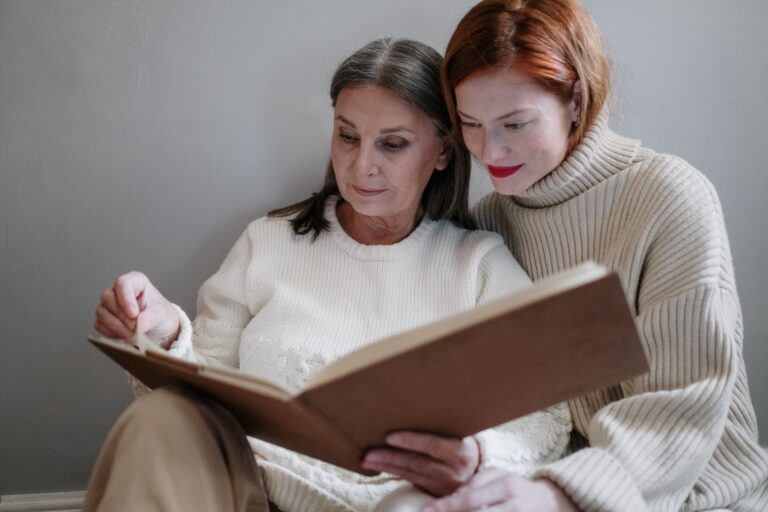
Revisiting favorite vacation memories can help people with Alzheimer's disease find moments of hope and connection, even as the disease progresses. Early-stage Alzheimer's preserves long-term memory while recent recall fails, which means vacation experiences from years past often remain accessible—emotionally and sensorily—even when someone struggles to remember what happened yesterday. This preservation creates an opportunity that many families overlook: structured reminiscence, or deliberately revisiting past experiences through photos, videos, and conversation, can reduce anxiety, improve mood, and reconnect people with meaningful parts of their identity during a time when dementia erodes so much else.
Medical information disclaimer: This article is for general educational purposes only and does not provide medical advice, diagnosis, or treatment. Always consult a physician or other qualified health professional about symptoms, medications, tests, or treatment decisions.
Table of Contents
- Why Vacation Memories Outlast Recent Memories
- Emotions Persist When Facts Fade
- Structured Reminiscence Therapy Produces Measurable Benefits
- Broader Effects on Mood, Behavior, and Connection
- How to Start Reminiscence at Home
- When Reminiscence Therapy Works Best—and Its Limits
- Frequently Asked Questions
Why Vacation Memories Outlast Recent Memories
In early Alzheimer's, two separate memory systems decline at different rates. Recent memory—facts and events just learned—deteriorates rapidly, while long-term memory for emotionally significant experiences from years or decades ago remains relatively intact.
A person may not remember breakfast this morning but can still access a vacation from five years ago. Vacation memories anchor themselves differently than everyday events because they involve intense sensory experience: new landscapes, tastes, sounds, physical sensations. These rich, multi-sensory imprints create stronger neural pathways that resist the memory loss of early-stage disease.
Emotions Persist When Facts Fade
A remarkable aspect of Alzheimer's is that emotional responses linger long after factual memories disappear. Research shows that people retain emotional reactions to experiences for up to 30 minutes after viewing photos or videos, even when they have no conscious recall of the content or why they feel that way.
This means revisiting a beloved beach vacation or mountain trip can evoke genuine happiness, comfort, or peace—without requiring the person to "remember" details. Vacation memories provide rich sensory anchors that bypass cognitive decline, triggering positive emotions through photos, videos, or objects from the trip, regardless of whether conscious memory remains intact.
Structured Reminiscence Therapy Produces Measurable Benefits
Reminiscence therapy—deliberately and regularly revisiting past memories in a structured way—is not informal nostalgia; it is an evidence-based intervention. A 12-week program of weekly 30-to-35-minute reminiscence sessions reduced depression and improved quality of life in elderly Alzheimer's patients, according to clinical research.
The mechanism is both emotional and cognitive. Positive emotion enhances memory recall in mild Alzheimer's disease, with research showing a pronounced effect of positive mood on accessing and retaining memory. When a person feels good while reminiscing, they are more likely to engage with the memory, and that engagement itself becomes therapeutic.
Broader Effects on Mood, Behavior, and Connection
Reminiscence therapy involving past vacation experiences reduces agitation, depression, and anxiety by focusing on rewarding aspects of the past. Beyond memory access, the practice restores a sense of identity and competence—feelings many people with dementia lose as the disease progresses.
Positive emotions help Alzheimer's patients cope with chronic stress, decrease negative responses, and increase social interactions. When caregivers and patients reminisce together about shared or significant vacations, both benefit: the patient experiences improved mood and connection, while the caregiver often feels less burden and frustration.
How to Start Reminiscence at Home
Begin by gathering concrete triggers: printed photos from the vacation, a short video clip, a souvenir or object from the trip, even a piece of music from that time. Set aside 20–30 minutes in a calm, quiet space. Ask open-ended questions about the trip ("What was your favorite part?" or "Tell me about the place we stayed") rather than testing memory with specific facts. If the person cannot recall details, that is expected and not a failure.
Instead, describe the memory warmly and watch for emotional response. Allow silence; some people need time to settle into a memory. End on a positive note. Consistency matters more than length—a brief weekly reminiscence ritual often works better than sporadic, lengthy sessions.
When Reminiscence Therapy Works Best—and Its Limits
Reminiscence therapy shows the most benefit in early-to-moderate Alzheimer's disease, when language and comprehension are still functional enough to engage with memories and sensory prompts. Effectiveness diminishes in later stages, when comprehension severely declines and verbal communication becomes difficult or impossible.
Individual response also varies based on the remaining cognitive capacity and the quality of preserved memories. Someone with many emotionally rich vacation memories may benefit more than someone with fewer significant experiences. If a person becomes frustrated, agitated, or distressed during reminiscence—signs that the stimulation is overwhelming rather than comforting—pause and consult a care provider about adjusting the approach.
Frequently Asked Questions
Will reminiscence bring back full memory of the vacation?
No. Reminiscence therapy does not restore factual memory. Instead, it accesses the emotional and sensory imprints of the experience, which often provide comfort and pleasure independent of remembering specific details.
How often should we do reminiscence sessions?
Weekly 20-to-35-minute sessions show measurable benefit in research. More frequent sessions do not necessarily yield better results; consistency and calm timing matter more than frequency.
What if the person becomes upset or frustrated during reminiscence?
Stop the session. Some memories may be distressing rather than comforting, or overstimulation may overwhelm. Observe patterns—certain vacations or topics may work better than others—and adjust accordingly. Consult the care team if distress persists.
Can reminiscence work in moderate or late Alzheimer's?
Reminiscence is most effective in early-to-moderate stages. As language and comprehension decline significantly, sensory-focused approaches—music, photographs without lengthy conversation—may work better than structured reminiscence.