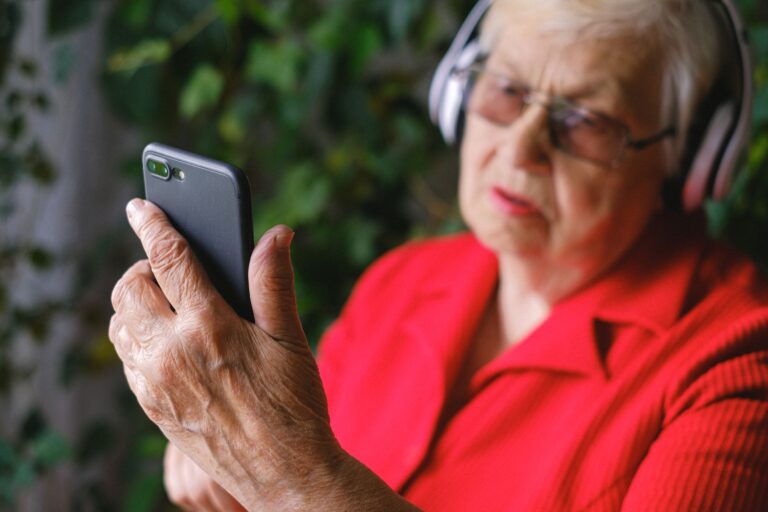
Families can preserve cherished books for a person with Alzheimer's through two methods: physical conservation using acid-free materials and controlled storage, and creating life story books that capture memories while the person can still engage with them. However, Alzheimer's gradually erodes recognition of familiar objects, making even well-worn books eventually feel foreign, so the goal shifts from preservation as memory storage to preservation as a tool for earlier emotional connection and caregiver support. Timing matters: early-stage Alzheimer's is when books can still serve a therapeutic purpose, before neurodegeneration impairs object recognition memory entirely. This article explains what families can practically do to use books as a bridge—not to stop memory loss, but to strengthen relationships and slow cognitive decline while the person can still benefit.
Medical information disclaimer: This article is for general educational purposes only and does not provide medical advice, diagnosis, or treatment. Always consult a physician or other qualified health professional about symptoms, medications, tests, or treatment decisions.
Table of Contents
- Why Books Matter in Dementia Care
- Early-Stage Alzheimer's and Reading Ability
- Physical Preservation Methods
- Creating a Life Story Book
- When to Seek Professional Help
- Frequently Asked Questions
Why Books Matter in Dementia Care
Life story books create therapeutic memory triggers for people with dementia, improving cognition, mood, and communication by strengthening relationships with caregivers, according to a 2024 systematic review in PLOS One. A well-worn family book—annotated with photos, handwritten notes, or passages highlighted by the person years ago—becomes a trigger for autobiographical memories even as general recall fades.
For caregivers, the value is equally clear: life story books reduce caregiver burden and increase family engagement by improving mood, reducing stress, and encouraging ongoing reminiscence therapy. A book that once belonged to the person creates a structure for conversation and shared memory-making when daily interaction grows harder.
Early-Stage Alzheimer's and Reading Ability
In early Alzheimer's, word recognition and basic sentence comprehension often persist despite memory loss, meaning a person can still read and process text even as hippocampal damage affects working memory and information retention. This window is critical: it's when a familiar book can be genuinely enjoyed, not just handled.
Daily reading slows cognitive decline and may delay Alzheimer's onset by up to five years, research in the journal Neurology shows. Engaging with a beloved book during early-stage dementia isn't purely sentimental—it's an evidence-based intervention that slows the rate of decline itself.
Physical Preservation Methods
To prevent a book from deteriorating before the person can no longer recognize it, use archival-quality materials and controlled conditions: store books in acid-free boxes at 65–70°F and 40–50% humidity, and store them upright with proper support to protect the binding, according to the Library of Congress. Acidic paper breaks down chemically over time, causing pages to become brittle and discolored.
Use non-acidic adhesives and removable captions if you're adding family notes or photos to preserve books as heirlooms, the Alzheimer's Association Arkansas chapter recommends. Removable labels and archival tape allow family members to update the book's content later without damaging it.
Creating a Life Story Book
A life story book is more than preservation—it's a therapeutic tool created *with* the person while they can still participate. Include favorite passages, photos of people and places the book reminds them of, handwritten notes about why the book matters, and memories tied to specific pages.
Families often use a photocopy or new edition of the original book to avoid damaging an irreplaceable volume. The life story book serves two audiences: it gives the person with dementia a touchstone for conversation and emotional connection in the early stages, and it gives caregivers a structured way to engage and remember the person's preferences, humor, and history as the disease progresses.
When to Seek Professional Help
If a favorite book is severely damaged—broken spine, loose pages, water damage—or has profound sentimental value, professional book conservation services have specialized tools and expertise to stabilize and repair aging materials. Conservation costs $300–$2,000 depending on damage, but it prevents total loss when the book cannot be replaced. Most families do not need professional conservation, but it is worth considering if the book has irreplaceable handwritten notes, inscriptions, or family provenance.
Frequently Asked Questions
Can a person with mid-stage Alzheimer's still enjoy reading books?
It depends on the person. Word recognition often persists into mid-stage, but attention span, working memory, and object recognition decline. Shorter passages, large print, or read-aloud sessions may work better than a full book.
Should we preserve the original book or use a copy for a life story book?
Use a copy to protect the original from wear and damage. Create the life story book while the person can contribute ideas and memories.
Is it worth preserving books if the person may not recognize them later?
Yes. Early-stage engagement slows cognitive decline. Additionally, even if the person stops recognizing the book, it remains a tool for caregivers and family to remember who the person was.