When a person with dementia responds to music—moving, singing, or making eye contact—it reflects real brain activity. Music engages emotion-processing and memory networks that remain functional even as other cognitive areas decline, creating a pathway for connection that other forms of communication may not reach.
This response is not a temporary distraction but evidence of preserved neurological capacity that caregivers and family members can deliberately access. For family members, recognizing this opens a practical opportunity: shared music experiences can reduce behavioral distress, ease relationship strain, and create moments of genuine presence—without medication or invasive interventions. The key is understanding how and why music works differently in the dementia brain, then using that knowledge to build moments intentionally.
Medical information disclaimer: This article is for general educational purposes only and does not provide medical advice, diagnosis, or treatment. Always consult a physician or other qualified health professional about symptoms, medications, tests, or treatment decisions.
Table of Contents
- How Music Stays Intact as Memory Fades
- Music as a Gateway to Emotionally Meaningful Memory
- What Research Shows Music Actually Reduces
- How Shared Music Deepens the Caregiver Relationship
- Implementing Music at Home and in Care Settings
- What the Evidence Cannot Yet Claim
- Frequently Asked Questions
How Music Stays Intact as Memory Fades
Music activates emotion-processing brain regions even in advanced dementia, according to fMRI studies cited by the National Center for Biotechnology Information. While areas responsible for language, logic, and new learning deteriorate, the limbic system (nucleus accumbens, amygdala, orbitofrontal cortex), auditory processing, motor circuits, and memory networks remain relatively functional. This is why a person who cannot recall their grandchild's name may still recognize a song from their youth or hum along to music they loved decades ago.
Musical memory is preserved longer than other memory types as dementia progresses, according to NIH research. Brain regions processing music show less cortical atrophy and glucose metabolism disruption compared to other dementia-affected areas. Procedural memory—how to move to a rhythm—and semantic memory of familiar songs persist even when episodic memory (what happened yesterday) becomes severely impaired. This biological resilience is why music can "light up" a parent long after conversations have become difficult.
Music as a Gateway to Emotionally Meaningful Memory
Personalized familiar music helps people with dementia access emotionally salient autobiographical memories, according to research in the journal Music Therapy Perspectives. When a song is paired with memory, the recalled experience contains more emotional warmth and positive feeling than memories accessed in silence. A song can evoke a moment—a dance, a celebration, a quiet evening—in ways that direct questioning cannot.
This memory-access pathway persists into late dementia stages, even when the person cannot retrieve the same memories through conversation. The mechanism appears to be distinctive: music bypasses the damaged episodic memory system and engages emotion and meaning directly. This means the "lighting up" caregivers observe may reflect a genuine emotional and autobiographical response, not merely sensory stimulation.
What Research Shows Music Actually Reduces
Music therapy reduced agitation, anxiety, and depression in dementia patients across 22 randomized controlled trials involving 1,780 patients, according to a systematic review in the journal Music Therapy Perspectives. Personalized music—songs chosen for the individual—decreased verbally agitated behaviors and reduced depression with significant effect sizes.
These improvements in mood, anxiety, and restlessness often persisted long-term, even months after the intervention. Unlike pharmacological approaches, which address single symptoms or may cause side effects, music therapy addresses multiple problems simultaneously: behavioral agitation, low mood, and anxiety—while strengthening the relationship between caregiver and the person with dementia.
How Shared Music Deepens the Caregiver Relationship
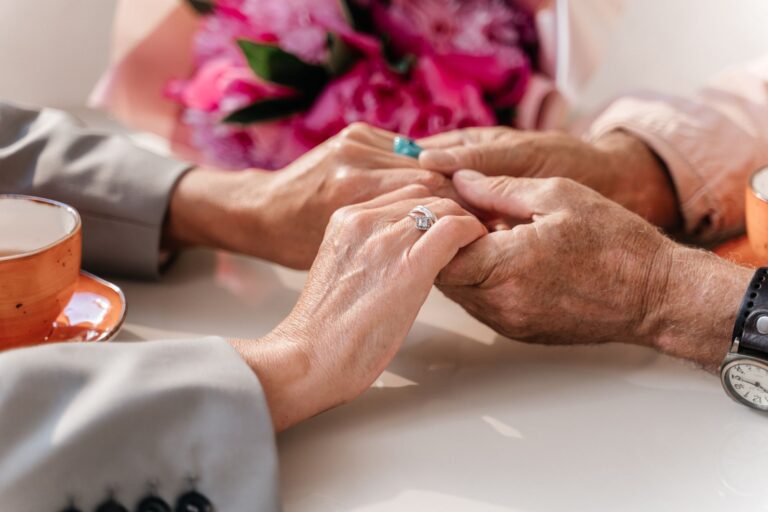
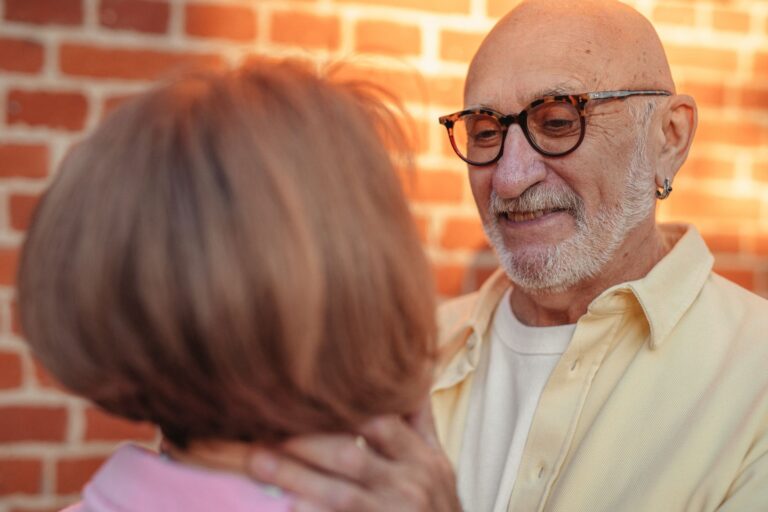
Live music increases mutual engagement and emotional connection between caregivers and family members with dementia, according to qualitative research by NCBI. When family members or care staff participate in music with the person with dementia—singing together, playing an instrument, or listening attentively—the experience creates bonding that strengthens the therapeutic relationship.
Caregivers report greater appreciation of the relationship itself and deeper moments of presence. Group therapeutic songwriting created bonding experiences that drew on existing family relationships, according to research with family and spousal caregivers. Shared, pleasurable music experiences not only help the person with dementia but also improve the caregiver's sense of connection and relationship quality—an outcome that addresses caregiver stress and isolation alongside dementia symptoms.
Implementing Music at Home and in Care Settings
Music therapy is non-invasive, has no documented side effects, and can be implemented at minimal cost in home and facility settings. Unlike medications or medical procedures, personalized music requires no prescription or medical supervision.
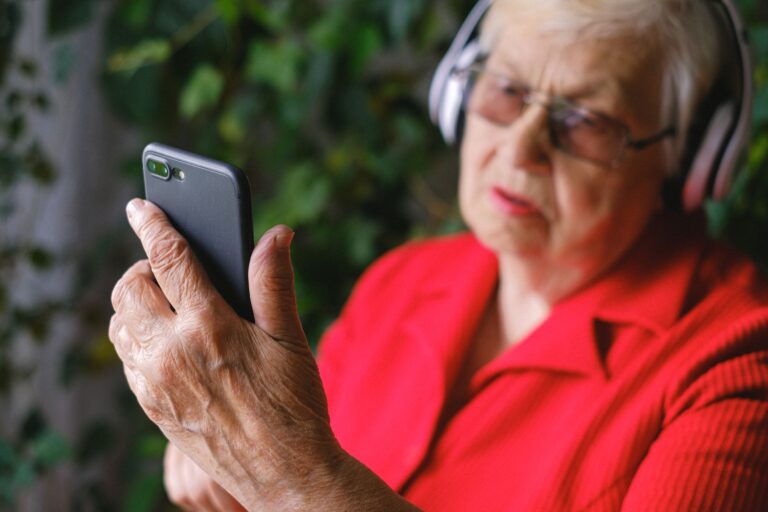
You can begin with music your parent loved—songs from their teens and twenties, genres they played, or performances by favorite artists. Practical steps:.
- Collect songs or performances from your parent's preferred era and style
- Play them during times of day when agitation or anxiety typically occurs
- Participate when possible: sit nearby, sing along, or invite movement
- Notice which songs elicit the strongest response
- Adjust volume and duration based on mood and engagement
What the Evidence Cannot Yet Claim
A 2020 AHRQ/NASEM review found insufficient evidence for definitive conclusions about music therapy benefits. The review identified heterogeneity in outcome measures—studies measured different things in different ways—small patient samples, and lack of standardized protocols across research sites.
This means that while the evidence supports music's effectiveness, larger, more rigorous randomized controlled trials are needed to determine which types of music, which delivery methods, and which dementia stages benefit most. This limitation does not mean music therapy does not work; it means the research community has not yet fully mapped the boundaries of when, how, and for whom it works best. For a family member choosing music as a tool, this means: start with your parent's preferences, observe the responses, and adjust—while recognizing that outcomes may vary.
Frequently Asked Questions
What if my parent was never particularly musical?
Music preference matters more than musical training. Choose songs or performances your parent heard regularly—radio hits from their young adulthood, movie soundtracks, genres played at family gatherings—rather than complex classical music. Even people who never learned an instrument often respond to culturally meaningful music.
Can music help with late-stage dementia, or does it only work early on?
Music engages preserved neural networks throughout dementia progression. Research shows responses persist into late stages, even when other memory types have severely declined. However, individual responses vary; observe your parent's cues and adjust approach accordingly.
Is live music better than recorded music, or does it matter?
Live music may create stronger mutual engagement and caregiver connection, but recorded music also produces documented benefits. If live music is not available or practical, personalized recorded music is evidence-based and effective.