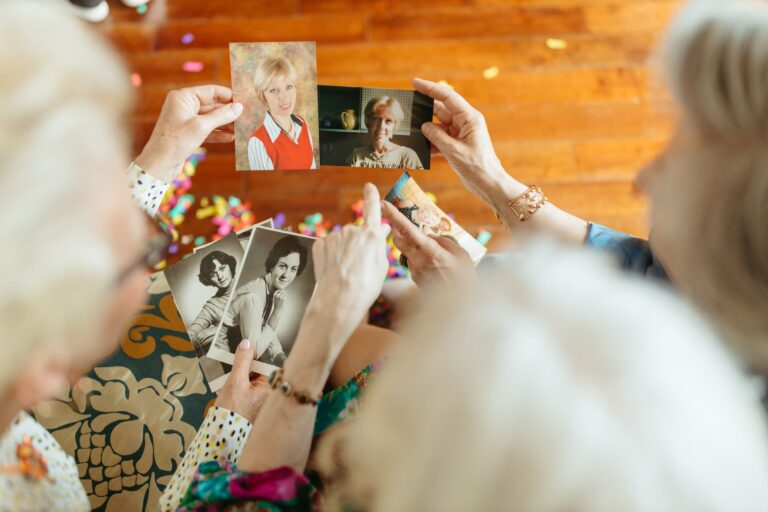
Video messages matter to families facing dementia because they directly combat social isolation—a major dementia risk factor—while providing immediate calming and reassurance to people experiencing confusion. When recorded by family members, these messages create a tool that works around geographic distance, allowing consistent connection that families cannot always sustain through visits alone.
The evidence shows that video-based connection offers measurable cognitive and emotional benefits. Older adults with access to video communication experience 31% lower social isolation risk compared to those without such access, and regular social engagement through video correlates with improved mood, reduced loneliness, and cognitive gains within 12 months. For families, the practicality is simple: a short recording of a greeting, birthday wish, or familiar routine can be played repeatedly, offering reassurance during moments when the person with dementia feels most lost.
Medical information disclaimer: This article is for general educational purposes only and does not provide medical advice, diagnosis, or treatment. Always consult a physician or other qualified health professional about symptoms, medications, tests, or treatment decisions.
Table of Contents
- Why Social Connection Protects Against Dementia
- How Video Messages Provide Immediate Comfort
- Benefits for Both Patients and Caregivers
- Getting Started with Video Messages
- When Video Messages Have Limits
- The Research on Reminiscence Therapy
- Frequently Asked Questions
Why Social Connection Protects Against Dementia
Social isolation is recognized as a major modifiable risk factor for cognitive decline in older adults, with roughly 2% of dementia cases potentially preventable if isolation could be eliminated. That places social connection on par with managing diabetes in its protective power—a substantial effect that many families don't recognize until they're searching for concrete ways to help.
The mechanism is straightforward: isolation accelerates cognitive decline, while consistent human connection slows it. Patients with consistent family connection experience better quality of life outcomes, with video bridging geographic distance when in-person visits are impossible and enabling maintained family bonds critical to dementia care. This means that even a family separated by hours or states can meaningfully influence their loved one's cognitive trajectory through regular connection—whether live video calls or recorded messages.
How Video Messages Provide Immediate Comfort
Video messages work because they bypass the need for real-time interaction while delivering familiar faces, voices, and stories. Families create short recordings with simple greetings, birthday wishes, anecdotes, and reminders of daily routines for dementia residents, and watching these repeatedly gives dementia patients greater awareness and alertness during moments of confusion. When a person with dementia becomes agitated or disoriented, a 2–5 minute video from a trusted family member can interrupt the anxious loop more effectively than verbal reassurance alone.
The person sees a loved one's face, hears their voice in a calm setting, and may re-engage with their own sense of belonging. Co-viewing videos together with positive emotional elements fosters meaningful exchanges, elicits verbal and nonverbal responses from people with dementia, and reduces caregiver burden while enhancing empathy. A message recorded during a good day can be replayed on a difficult one, providing consistent comfort.
Benefits for Both Patients and Caregivers
The benefits extend beyond the person with dementia. Video family chats improve family relationship quality and quality of life in long-term care, promoting social engagement for both patients and caregivers through bridging physical distance. For caregivers themselves—often bearing significant burden—connection tools ease isolation.
Family caregivers experience substantial burden, with 50.8% reporting loneliness and 37.1% reporting isolation, and video-based support interventions reduce psychological distress, depression, and isolation. A recorded message from a family member validates the person with dementia (I remember you, I'm thinking of you) while also sustaining the family relationship. This two-way benefit is critical: dementia care often leaves family members depleted and disconnected from the person they're trying to support. Video messaging restores a form of reciprocal presence.
Getting Started with Video Messages
Starting is straightforward and requires no special equipment beyond a smartphone.
- **Record short, simple messages**: 2–5 minutes works best. Include a clear greeting ("Hi Mom, it's Sarah"), a specific story or update, and a warm closing. Avoid asking questions that demand a response.
- **Focus on familiarity**: Reference daily routines, inside jokes, family pets, favorite songs, or significant dates. The goal is recognition and comfort, not information transfer.
- **Use accessible storage**: Save videos to a shared cloud folder, email them to the care facility, or use a simple tablet that residents can access independently. Some care homes now have dedicated systems for this purpose.
- **Keep a regular rhythm**: Weekly or twice-weekly messages work better than sporadic bursts. Consistency signals ongoing connection.
- **Don't wait for perfection**: Natural, unedited messages often work better than polished ones. A family member in regular clothes, sitting at the kitchen table, is more recognizable than a staged production.
When Video Messages Have Limits
Video messaging is powerful but not a substitute for in-person presence or professional care. Implementation of video communication depends on caregiver technical skill, scheduling flexibility, and organizational resources, and while feasible, technology adoption remains inconsistent across care settings, requiring personalized support and structured implementation for effectiveness.
Some care facilities have outdated technology or staff unfamiliar with showing residents recorded videos consistently. Some family members lack the technical access or comfort to record and share. Additionally, if a person with advanced dementia cannot recognize their own child, recorded messages may not register emotionally—though in mid-stage dementia, where recognition is inconsistent, these tools often work remarkably well.
The Research on Reminiscence Therapy
Reminiscence therapy using internet-based videos improves cognitive function and quality of life in older adults with dementia, with greatest effects in individual or care-home settings, based on a meta-analysis of 26 studies involving 2,766 participants. This formal research validates what many families discover by accident: that revisiting meaningful moments through video slows cognitive decline and lifts mood.
The implication for families is direct: video messages aren't just emotionally comforting—they're a form of therapy with measurable cognitive benefit. Recording a message is a concrete, evidence-backed action that fights isolation and supports your loved one's brain health, especially when visits are impossible.
- —
Frequently Asked Questions
How often should we send video messages?
Weekly or twice-weekly messages show better results than sporadic ones. The consistency signals ongoing connection more than frequency alone. Even a 10-minute video call or a 3-minute recorded message weekly provides measurable cognitive and mood benefits.
What if the person with dementia doesn't recognize the family member in the video?
Video messages work best in mid-stage dementia, when recognition is inconsistent. In advanced stages, they may not register emotionally. However, showing residents familiar videos still provides sensory engagement and can reduce agitation, even if recognition isn't clear.
Do care facilities typically support this?
Support varies widely. Some facilities actively encourage recorded messages and have systems to show them; others have no formal process. Ask the facility directly about their video policies and whether staff can help residents watch recordings on a consistent schedule.
Can we use old family videos instead of recording new ones?
Yes. Old videos of family moments, holidays, or the person with dementia in earlier years can work similarly to new recordings, especially for reminiscence therapy. A mix of old meaningful footage and new messages from current family members offers the most benefit.