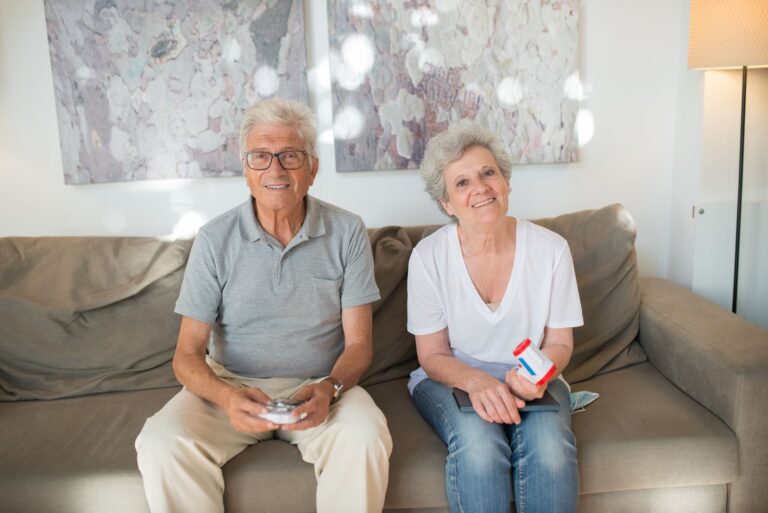
The 2026 WHO dementia-risk guideline does not promise that socializing prevents dementia after 65. It says social-activity programs may suit adults with normal cognition or mild cognitive impairment, with very weak support.
Mild cognitive impairment means noticeable thinking or memory change without loss of daily independence. Dementia means a larger loss of memory and thinking that interferes with daily life. The headline risk figure looks larger than this single suggestion.
Medical information disclaimer: This article is for general educational purposes only and does not provide medical advice, diagnosis, or treatment. Always consult a physician or other qualified health professional about symptoms, medications, tests, or treatment decisions.
Official resources:
- Read the official guidance from Who — Use this primary source to verify the official guidance.
- Read the official guidance from Who — Use this primary source to verify the official guidance.
Table of Contents
- What WHO actually recommended
- What the 45 percent figure means
- Why broad social advice is still missing
- How to act without overreading
What WHO actually recommended
Guideline Central in participation with WHO reports that social-activity interventions "may be recommended" for adults with normal cognition or mild cognitive impairment the WHO guideline summary. That wording signals a conditional suggestion, not a proven prescription.
The same WHO summary rates the support as very-low-certainty evidence. Readers should treat it as a possible option to discuss, not a proven shield.
What the 45 percent figure means
The World Health Organization announced that up to 45% of dementia risk could be prevented or delayed by acting on modifiable risks the WHO news announcement. That share is population-wide across many factors, not a personal promise from friendship alone.
BrightFocus Foundation summarizes the 2024 Lancet Commission by Livingston and colleagues the 14-factor summary. That summary puts later-life social isolation near 5%, beside about 7% each for hearing loss and high LDL.
Why broad social advice is still missing
Guideline Central in participation with WHO links social participation and support to lifelong health. It lists universal social-inclusion support as an evidence gap with no formal recommendation.
Healthed reporting for clinicians notes earlier studies used different outcome measures, which kept the proof weak. The same reporting notes social disconnection still harms wellbeing.
How to act without overreading
Treat social activity as health support, not insurance against dementia. Choose regular contact you can keep, and remove barriers that break the habit.
If a program promises dementia prevention, treat that promise as sales talk. Ask how often the group meets, who leads it, and what a session involves before you join.
- pick one weekly group with talk, movement, or shared tasks
- track attendance for a month and keep what fits
- check hearing, transport, and schedule conflicts that cut contact
- ask a clinician about memory concerns before buying brain-training claims
You Might Also Like
- High Cholesterol in the 2026 WHO Dementia Guideline: How Adults Over 65 Can Avoid Overreading the Headline
- Hearing Aids in the 2026 WHO Dementia Guideline: How Adults Over 65 Can Avoid Overreading the Headline
- Diabetes in the 2026 WHO Dementia Guideline: How Adults Over 65 Can Avoid Overreading the Headline