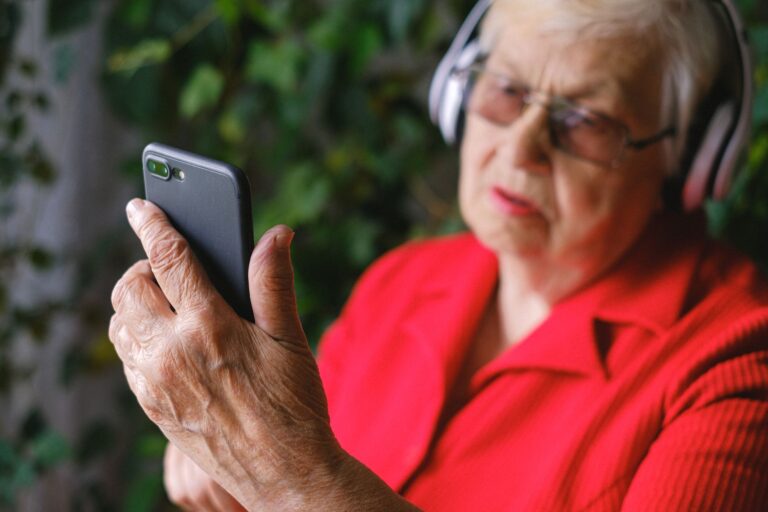
Revisiting a favorite vacation memory can give a family connection, comfort, grief, or all three. Its emotional weight reflects what the exchange means now; it does not prove that the memory is complete or unchanged.
Dementia is cognitive and behavioral decline severe enough to disrupt daily life. Alzheimer's disease is its most common cause in older adults and progressively affects memory and thinking. A vacation story can therefore be important without serving as a clinical test.
Medical information disclaimer: This article is for general educational purposes only and does not provide medical advice, diagnosis, or treatment. Always consult a physician or other qualified health professional about symptoms, medications, tests, or treatment decisions.
Table of Contents
- What Does the Memory Actually Show?
- Why Can One Memory Affect a Family So Deeply?
- How Can Families Revisit the Trip Safely?
- What Can Reminiscence Accomplish?
What Does the Memory Actually Show?
A favorite vacation memory is an autobiographical memory: recall of a person's own past. Someone may remember a place, face, or feeling while losing the event's sequence, context, or other details. A 2025 systematic review in Frontiers in Neurology found autobiographical-memory deficits across life periods in Alzheimer's disease.
Remote memories were relatively better preserved. That pattern can help explain why an older trip surfaces when yesterday's events do not. Even a clear, detailed response cannot confirm that the person retains the entire experience or its original meaning. Treat the exchange as meaningful communication, not evidence about disease severity or prognosis.
Why Can One Memory Affect a Family So Deeply?
A vacation may represent more than travel. It can hold family roles, shared routines, private humor, or a time before caregiving changed daily life. Different relatives may experience the same exchange differently.
A spouse may feel recognized, while an adult child notices missing details and feels loss. Neither reaction reveals what the person with dementia feels internally. Families can also disagree about whether to correct an inaccurate story. Exact facts may matter less than keeping the person comfortable and included, especially when correction offers no practical benefit.
How Can Families Revisit the Trip Safely?
Invite conversation rather than testing recall. Pressure to remember may contribute to agitation; NIH/NIA recommends calm reassurance and comforting photos or objects when distress appears in its guidance on agitation and related behavior.
A pleasant response may be a smile, a few words, or simply attention to the prompt. Conversation is not the only successful outcome.
- Offer one photograph, song, postcard, or souvenir at a time.
- Ask what the person notices instead of demanding a name, date, or location.
- Follow the detail they choose, even if it differs from the family's version.
- Avoid repeated questions after "I don't know" or silence.
- If tension appears, reassure the person and move to a comfortable activity.
What Can Reminiscence Accomplish?
Reminiscence therapy involves discussing past experiences with prompts such as photographs or music. Families can use similar prompts informally, although that does not make an ordinary conversation a clinical treatment. A Cochrane review of 22 randomized trials involving 1,972 participants found generally small benefits that varied by format and setting. Individual approaches were associated with better cognition and mood, while group formats were associated with communication benefits.
Reminiscence is not proven to restore lost memories or halt dementia. Its effects were inconsistent, and differences among interventions limit certainty about who will benefit. Set the goal as comfort, engagement, or connection rather than accurate recall. For additional wording and communication strategies, families can consult NIH/NIA guidance for communicating with someone who has Alzheimer's.