A quiet hand squeeze can offer comfort and connection when dementia makes spoken communication difficult. It may remind a caregiver of enduring affection, but it cannot prove that the person remembers, recognizes, or understands the relationship. Dementia is an umbrella term for cognitive decline severe enough to disrupt daily life; Alzheimer's is its most common form. Gentle hand contact is a form of nonverbal communication, not a medical treatment.
Medical information disclaimer: This article is for general educational purposes only and does not provide medical advice, diagnosis, or treatment. Always consult a physician or other qualified health professional about symptoms, medications, tests, or treatment decisions.
Table of Contents
- What can a hand squeeze communicate?
- What does the research actually show?
- What the gesture cannot prove
- How to offer touch respectfully
What can a hand squeeze communicate?
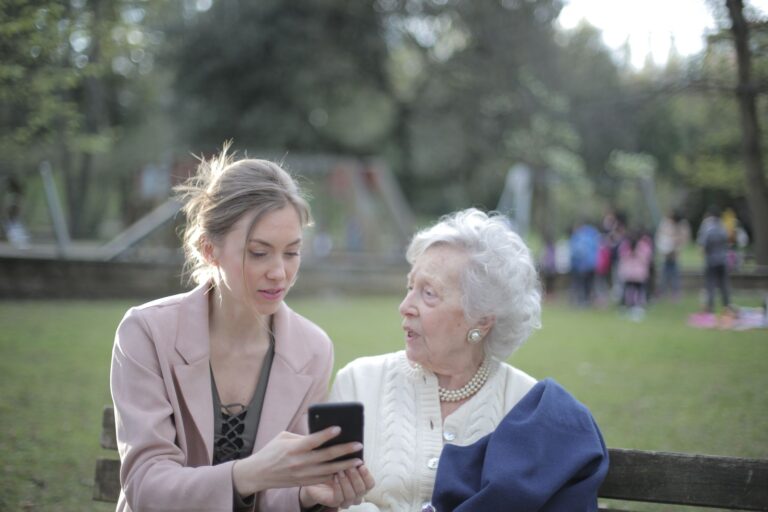
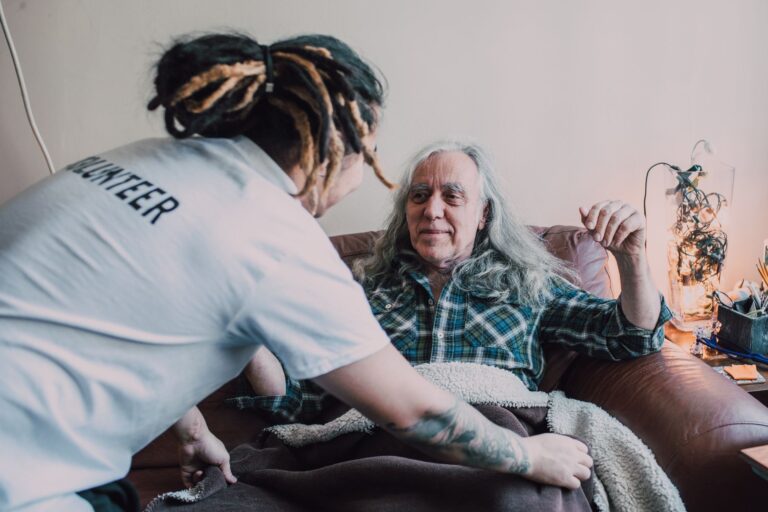
As speech becomes harder, touch may provide reassurance without requiring the person to find words or follow a long conversation. The NIH's National Institute on Aging advises caregivers to hold the person's hand while talking. The meaning remains personal and uncertain.
A receptive response may show that the contact feels comforting in that moment, but it does not establish what the person remembers or feels internally. For the caregiver, the gesture can still matter. It creates a quiet way to express care without turning the interaction into a test of memory, recognition, or verbal ability.
What does the research actually show?
The strongest current evidence concerns massage and therapeutic touch rather than a brief hand squeeze. A 2025 meta-analysis of 17 randomized controlled trials involving 980 participants found short-term improvements in agitation and behavioral problems. Hand, head, and foot massage subgroups showed significant results, although the authors called for further confirmation. A small 2023 trial studied 38 people with dementia and their caregivers.
Trained caregivers provided 30-minute whole-body massages three times weekly for eight weeks. Depression and agitation scores improved, as did caregiver stress, compared with the control group. These findings suggest that welcome, repeated touch may help some people feel calmer. They do not establish that one hand squeeze produces the same effects.
What the gesture cannot prove
The title's idea that love is "still there" is emotionally understandable, but science cannot measure love through a squeeze. Research supports possible comfort, connection, and short-term reductions in agitation—not proof of retained memory or relationship awareness. The distinction between holding a hand and providing massage matters.
The caregiver trial involved training, whole-body massage, repeated sessions, and a small group. Its results should not be applied directly to every brief touch or every person with dementia. A hand squeeze also has no fda approval, formulation, indication, or eligibility requirement. It is a caregiving communication practice, not an approved dementia therapy.
How to offer touch respectfully
Touch comforts some people but can feel intimidating to others. Personal preferences may remain important even when communication changes, so the person's immediate response should guide the interaction.
The Alzheimer's Society likewise advises caregivers to use touch only when it is welcome. If a hand is withdrawn, release it without treating that response as a judgment about the relationship.
- Respect personal space and offer contact gently.
- Hold the person's hand while speaking if the contact appears welcome.
- Do not force or prolong the touch.
- Stop if the person pulls away or appears distressed.