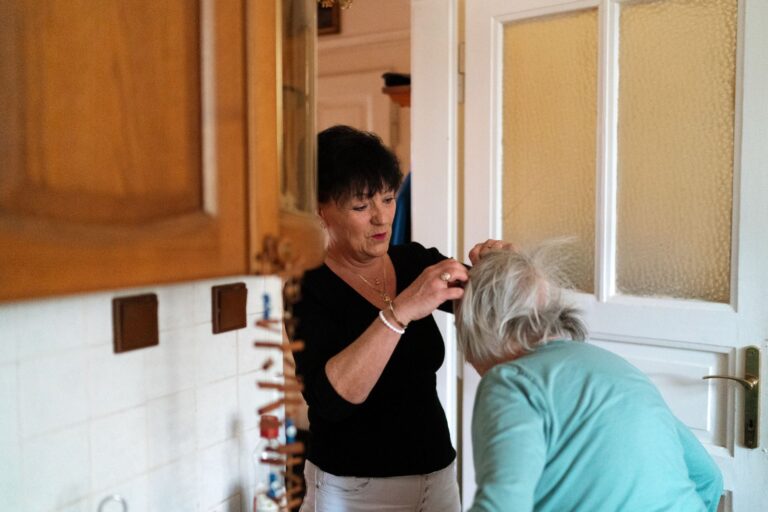
A psychiatrist becomes necessary for dementia behavior when behavioral changes are severe, persistent, and resistant to non-medication strategies—particularly when they pose safety risks to the person with dementia or caregivers, interfere with daily functioning, or cause significant distress. Consider a situation where an older adult with dementia begins aggressive outbursts several times daily, lashing out at family members without clear triggers, refusing care, and becoming unsafe around kitchen appliances. A primary care physician might initially explore medical causes (infection, pain, medication side effects), but if those are ruled out, a psychiatrist’s expertise in neuropsychiatric conditions becomes essential.
Most dementia-related behavioral changes are not psychiatric emergencies requiring an immediate psychiatrist referral. Many can be managed through environmental modifications, care routine adjustments, and non-medication techniques. However, psychiatrists bring specialized training in both dementia and psychiatric conditions, allowing them to distinguish between behaviors driven by cognitive decline alone versus those shaped by treatable mental health conditions like depression, anxiety, or psychosis that can accompany or accelerate dementia.
Table of Contents
- What Behavioral Changes Warrant a Psychiatrist’s Assessment?
- Depression and Anxiety in Dementia—Why They Matter
- Hallucinations and Delusions in Dementia
- When to Involve a Psychiatrist Instead of Relying Solely on Primary Care
- Medication Risks and the Reality of Antipsychotics in Dementia
- Suicidality, Severe Depression, and Urgent Psychiatric Need
- Distinguishing Between Dementia Behavior and Psychiatric Conditions
- Frequently Asked Questions
What Behavioral Changes Warrant a Psychiatrist’s Assessment?
Psychiatrists are most helpful when behavior changes appear psychiatric in nature rather than purely cognitive. These include hallucinations (seeing or hearing things that aren’t there), delusions (false beliefs held despite contradictory evidence), severe depression with suicidal ideation or complete withdrawal from life, intense anxiety or panic attacks, and profound apathy that goes beyond typical dementia passivity. A person with dementia who becomes convinced that family members are stealing from them and hides all their possessions might benefit from psychiatric evaluation, since this pattern differs from simple confusion and may respond to psychiatric intervention.
The key distinction is severity and safety impact. Occasional wandering or forgetting familiar people are expected dementia symptoms. But if the same person with dementia regularly tries to leave the house at night, becomes disoriented and frightened when they cannot find the door, and poses a risk to themselves or others, psychiatric involvement can help evaluate whether underlying anxiety or other treatable conditions are amplifying the behavior and whether medication might help.
Depression and Anxiety in Dementia—Why They Matter
Depression is not an inevitable part of dementia, yet it occurs in a significant minority of people living with cognitive decline, and the combination can be particularly disabling. A person with dementia who also experiences depression may withdraw completely, refuse to eat or participate in activities, lose sleep, or express persistent thoughts of worthlessness. Without psychiatric assessment, these symptoms can be mistakenly attributed to dementia progression alone, causing families and care teams to assume nothing can be done when targeted depression treatment might substantially improve quality of life.
One important limitation: antidepressants and anti-anxiety medications carry risks in older adults with dementia, including falls, increased confusion, and paradoxical worsening of behaviors. A psychiatrist experienced in geriatric and dementia populations knows how to weigh these trade-offs, often starting at lower doses, monitoring more closely, and considering non-medication alternatives alongside pharmacology. Psychiatrists are trained to recognize when medication genuinely helps versus when it merely masks symptoms while creating new problems.
Hallucinations and Delusions in Dementia
Hallucinations—particularly seeing people or animals that are not present—are common in advanced dementia and often reflect how the brain is processing fragmented memories and sensory information. However, not all hallucinations require psychiatric treatment. If a person with dementia occasionally sees a deceased relative and seems comforted by the experience, most dementia care experts would not recommend antipsychotic medication.
The situation changes if hallucinations become frightening, lead to aggressive responses, or prevent the person from accepting care. An example: an older adult with dementia begins seeing intruders in their bedroom and becomes terrified every evening, refusing to sleep and attacking anyone who approaches. While this could be dementia-driven, a psychiatrist can evaluate whether sensory impairments (poor lighting, difficulty hearing), environmental triggers, or genuine hallucinations from neuropsychiatric conditions are driving the behavior. The psychiatrist might recommend environmental changes first (better lighting, reducing shadows, keeping the room less cluttered) but also assess whether low-dose antipsychotic medication could help if non-medication strategies fail.
When to Involve a Psychiatrist Instead of Relying Solely on Primary Care
Primary care physicians manage many dementia patients successfully with the help of family, caregivers, and geriatric specialists. But psychiatrists offer deeper expertise in complex behavioral prescribing, polypharmacy (managing multiple medications and their interactions), and psychiatric diagnoses that can mimic or worsen dementia symptoms. A person taking multiple medications prescribed by different doctors might experience behavior changes that are actually a side effect of drug interactions rather than disease progression—something a psychiatrist specializing in older adults is trained to identify.
The practical trade-off: engaging a psychiatrist often means additional appointments, more detailed medication monitoring, and potential out-of-pocket costs if your insurance requires specialist referrals. Yet for someone with complicated medication histories, severe psychiatric symptoms on top of dementia, or behaviors that have not responded to simpler interventions, that additional oversight often prevents hospitalizations, emergency room visits, and unnecessary care facility placements. Many families find that one psychiatric consultation clarifies treatment direction enough to guide the primary care doctor’s ongoing management.
Medication Risks and the Reality of Antipsychotics in Dementia
Antipsychotic medications—sometimes prescribed for aggression, agitation, or hallucinations in dementia—carry FDA warnings about increased stroke risk and mortality in older adults with dementia. These medications are not benign, and some psychiatric teams use them sparingly or as a last resort after behavioral strategies have failed. A warning worth understanding: some care facilities and some doctors default to antipsychotics as a convenience tool to manage difficult behaviors, when the real underlying cause might be pain, infection, medication side effects, or a care environment that is triggering distress.
A qualified psychiatrist will not automatically prescribe an antipsychotic. Instead, they will conduct a thorough evaluation, explore what is driving the behavior, try non-medication interventions, and involve the family in decisions about whether the benefit of medication outweighs the risks. This careful approach takes more time and expertise than simply writing a prescription, which is precisely why psychiatrist involvement—despite the added complexity—can protect against inappropriate medication use.
Suicidality, Severe Depression, and Urgent Psychiatric Need
If a person with early-stage dementia expresses thoughts of wanting to die, attempts self-harm, or expresses a plan for suicide, immediate psychiatric evaluation is necessary. Even though dementia involves cognitive decline, a person in the early stages of dementia retains enough awareness to experience despair about their diagnosis and future. Depression in this context is a psychiatric emergency that primary care alone cannot adequately manage.
A person with early dementia who says, “I can’t do this anymore; I don’t want to live like this,” requires prompt psychiatric assessment, not just supportive reassurance. A psychiatrist can evaluate suicide risk, recommend appropriate level of care (outpatient, intensive outpatient, or inpatient hospitalization if needed), and coordinate with other providers. Family members sometimes struggle with the question of whether the person is making an informed choice or expressing depression—a psychiatrist’s role is to clarify that distinction and recommend treatment.
Distinguishing Between Dementia Behavior and Psychiatric Conditions
A practical challenge: the line between dementia symptoms and psychiatric symptoms can blur. Irritability, apathy, poor sleep, appetite loss, and social withdrawal occur in dementia as a result of brain changes. But they also are hallmark features of depression. Agitation and unpredictable mood swings are common in dementia, but they also can signal an underlying anxiety disorder or even a manic episode in someone with a history of bipolar disorder.
A psychiatrist’s job is to untangle these overlapping presentations and identify which behaviors might respond to psychiatric treatment. A specific example that illustrates this complexity: an older adult with dementia begins refusing to bathe or change clothes, sits alone most of the day, eats very little, and seems to have lost all interest in activities they once enjoyed. The primary care doctor attributes this to dementia progression. But a psychiatrist might recognize these as depression symptoms that are treatable separately from dementia—and if depression is addressed, the person’s quality of life, engagement, and sometimes even cognitive function may improve. This distinction can only be made through skilled psychiatric evaluation that considers both the person’s dementia stage and their psychiatric history.
- —
Frequently Asked Questions
Can dementia behavior get better with a psychiatrist’s help?
Yes, when the behavior is driven or worsened by treatable psychiatric conditions like depression, anxiety, or certain types of hallucinations. However, a psychiatrist cannot reverse dementia itself. The goal is to reduce distressing psychiatric symptoms that are layered on top of cognitive decline.
Are antipsychotics always necessary if a psychiatrist gets involved?
No. A good psychiatrist starts with non-medication strategies and only considers antipsychotics if behavioral approaches fail and symptoms are significantly impairing safety or quality of life. Many psychiatric consultations result in no new medications.
How do I ask my doctor for a psychiatrist referral?
Tell your primary care doctor that behavioral symptoms are not improving with current strategies and that you’d like an evaluation by a psychiatrist experienced in dementia or geriatric care. You can also ask for a geriatric psychiatrist specifically, which indicates additional training in older adults.
What should I tell the psychiatrist at the first visit?
Bring a detailed timeline of behavior changes (when did they start, what was the person like before), current medications with doses, any medical problems or recent illnesses, and specific examples of behaviors that concern you most. Written notes help since appointments can be long.
Can a psychiatrist tell if behavior is from dementia or something else?
A psychiatrist can often distinguish between behaviors likely caused by dementia alone versus those driven by psychiatric conditions, but sometimes the distinction emerges only over time and through treatment trials.
What if the psychiatrist recommends medication but I’m worried about side effects?
Ask about the specific medication, its risks and benefits for your loved one, how it will be monitored, and what non-medication alternatives exist. You can always ask for a second opinion, and you retain the right to decline medication even with a psychiatrist’s recommendation. —