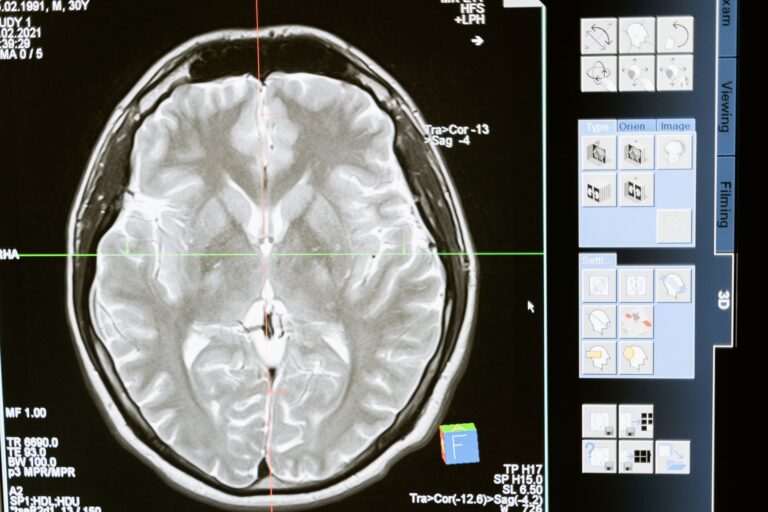
Tau-protein drugs have entered a new era of clinical development in 2026, marking the first time a tau-targeted therapy has demonstrated meaningful slowing of cognitive decline in Alzheimer’s disease patients. Diranersen, developed by Biogen, produced the pivotal evidence in its Phase 2 clinical trial (CELIA), presented in July 2026 at the Alzheimer’s Association International Conference in London. The drug achieved a 26 percent slowing of cognitive decline on the Clinical Dementia Rating scale—a modest but significant result that represents the first successful translation of tau-reducing compounds from preclinical work into measurable human benefit. This breakthrough differs fundamentally from previous attempts to target tau. Over the past decade, four different monoclonal antibody approaches against tau entered Phase 2 trials but failed to show cognitive benefits, despite successfully reducing tau biomarkers in the brain.
Diranersen succeeded where others faltered by using a different mechanism: instead of blocking tau with antibodies, it works as an antisense oligonucleotide that reduces tau production at the genetic level. The drug also achieved pronounced reductions in both cerebrospinal fluid tau (50-65 percent reduction) and visible tau pathology on brain PET scans, suggesting it may be addressing the underlying disease process more effectively. The implications extend beyond a single drug. Simultaneously, gene therapy approaches are advancing rapidly. Voyager Therapeutics presented encouraging toxicology data in July 2026 for VY1706, a single-dose gene therapy that achieved tau reductions up to 75 percent in brain tissue following one intravenous infusion. This represents a fundamentally different delivery mechanism and suggests the field is diversifying its approaches as it finally makes concrete progress against one of Alzheimer’s hallmark pathologies.
Table of Contents
- Why has tau become such a critical target in Alzheimer’s research?
- The CELIA trial results—what the numbers really mean
- How does diranersen work differently from previous tau drugs?
- How does tau therapy fit alongside amyloid-targeted treatments?
- Why did previous tau drugs fail, and what makes diranersen different?
- Gene therapy and single-dose approaches—the future pipeline
- Current access, realistic timelines, and what to expect
Why has tau become such a critical target in Alzheimer’s research?
Tau tangles—twisted protein aggregates inside brain cells—have been recognized as a hallmark of Alzheimer’s disease for over a century, yet therapeutic efforts have predominantly focused on amyloid-beta until very recently. The shift toward tau reflects both scientific evidence and clinical necessity. Tau pathology correlates more closely with cognitive symptoms and neurodegeneration than amyloid burden alone; some patients accumulate significant amyloid with minimal cognitive impact, while tau presence nearly always correlates with memory loss and cognitive decline. Brain imaging studies consistently show that tau distribution predicts regional brain atrophy and functional decline more accurately than amyloid alone.
Previous drug development efforts largely sidestepped tau because reducing amyloid was considered the more tractable target. However, amyloid-targeting monoclonal antibodies like aducanumab and lecanemab have shown only modest cognitive benefits—typically 25-35 percent slowing of decline—and carry risks of amyloid-related imaging abnormalities (ARIA), potentially harmful brain microhemorrhages or microinfarcts. The modest efficacy ceiling of amyloid drugs and their safety concerns have prompted researchers to reconsider tau more seriously, particularly for patients in earlier disease stages where tau pathology may still be emerging but already driving symptoms. This shift represents a fundamental reorientation of Alzheimer’s drug development rather than a temporary trend.
The CELIA trial results—what the numbers really mean
The CELIA trial of diranersen enrolled 266 participants with early symptomatic Alzheimer’s disease and measured cognitive change over 18 months. The 60-milligram dose delivered intrathecally (directly into cerebrospinal fluid) every six months produced a 26 percent slowing of cognitive decline on the Clinical dementia Rating scale—meaning participants declined roughly one-quarter as rapidly as they would have without the drug. On the ADAS-Cog13 (Alzheimer’s Disease Assessment Scale), which measures memory, attention, and language, participants showed a 42 percent improvement in decline rates. The MMSE scale, a global cognitive screening tool, showed a 50 percent improvement in decline. These percentages warrant careful interpretation. A 26 percent slowing does not mean 26 percent improvement in cognition; it means the rate of decline was 26 percent slower than placebo. Over 18 months, this translates to meaningful but subtle real-world differences.
A typical untreated participant might decline measurably in day-to-day memory and decision-making over a year and a half; a treated participant would decline somewhat less noticeably, though cognitive loss would still occur. The drug did not halt cognitive decline or reverse damage—it slowed it. For a progressive neurodegenerative disease without any disease-modifying treatments until the past few years, this represents meaningful progress, but patients and families should not interpret it as stopping or reversing the disease. The biomarker results are even more impressive: diranersen achieved mean reductions of 50-65 percent in cerebrospinal fluid total tau levels and demonstrated measurable reductions in brain tau pathology visible on positron emission tomography imaging. This disconnect between robust tau reduction and more modest cognitive benefit raises an important caution: reducing a biomarker does not guarantee clinical benefit. Previous tau drugs reduced tau biomarkers without slowing cognitive decline. Diranersen achieved both, but the cognitive benefit was smaller than the biomarker benefit, suggesting that other pathological processes (amyloid, neuroinflammation, neurodegeneration) likely contribute substantially to cognitive symptoms and that targeting tau alone may have a ceiling effect on clinical benefit.
How does diranersen work differently from previous tau drugs?
Diranersen is an antisense oligonucleotide, a short strand of synthetic DNA-like material that binds to tau messenger RNA and prevents cells from translating it into protein. This differs fundamentally from monoclonal antibodies, which target tau protein that has already been produced. The antisense approach reduces the amount of tau being made in the first place, rather than attempting to neutralize or clear tau after it forms. This upstream intervention may explain why diranersen succeeded where antibody approaches failed—by preventing tau production, it may reduce the total burden of pathological tau more effectively than antibodies that work on a protein-by-protein basis.
Diranersen is also delivered intrathecally, injected directly into cerebrospinal fluid bathing the brain and spinal cord, rather than intravenously. This allows the drug to reach brain tissue at higher concentrations with lower systemic doses, potentially reducing side effects from peripheral exposure. The injectability requirement represents a practical limitation compared to an oral pill, but the direct CNS delivery appears to be mechanistically important for the drug’s efficacy. Notably, participants received injections every six months, a relatively infrequent schedule that contrasts with some Alzheimer’s monoclonal antibodies requiring monthly or fortnightly infusions.
How does tau therapy fit alongside amyloid-targeted treatments?
Amyloid-targeting monoclonal antibodies like lecanemab and donanemab have become standard first-line therapies for early symptomatic Alzheimer’s disease, demonstrating 25-35 percent slowing of cognitive decline. Tau therapy presents a complementary rather than competitive option. A rational question is whether combining tau and amyloid therapies might produce additive benefits, slowing cognitive decline more effectively than either drug alone. Some researchers are already exploring combination approaches, though no clinical trial data yet exists. The theoretical advantage is compelling: amyloid and tau pathologies emerge somewhat independently and accumulate over decades, so targeting both simultaneously might address more of the underlying neurobiology.
However, combination therapy introduces complexity. Both treatments require careful monitoring for safety—amyloid therapies carry risks of ARIA, while diranersen requires direct brain injection with attendant risks of intrathecal administration. Adding a second disease-modifying therapy increases monitoring burden, healthcare costs, and potential for drug interactions or additive side effects. For individual patients, the practical question becomes whether the additional benefit of tau therapy justifies the additional injection schedule and risk profile. The answer likely depends on tau burden relative to amyloid burden, which currently cannot be routinely measured outside research settings, and on individual patient factors including age, disease stage, comorbidities, and access to infusion centers capable of intrathecal delivery.
Why did previous tau drugs fail, and what makes diranersen different?
Four monoclonal antibodies targeting tau—gosuranemab, semorinemab, tilavonemab, and zagotenemab—entered Phase 2 clinical trials in earlier disease stages but failed to demonstrate any cognitive benefit despite successfully reducing tau biomarkers in cerebrospinal fluid and on PET imaging. This consistent pattern of biomarker benefit without clinical efficacy raises questions that continue to perplex the field. One hypothesis is that antibodies, while effective at reducing circulating tau, may not access sufficient tau within the brain’s dense tissue architecture. Another possibility is that intracellular tau—tau trapped inside neurons—drives neurodegeneration more powerfully than extracellular tau, and antibodies cannot easily penetrate cell membranes to reach intracellular protein.
Diranersen’s antisense mechanism may overcome these limitations by reducing tau production intracellularly rather than targeting extracellular tau. By preventing neurons and glial cells from making tau in the first place, the drug may interrupt the disease process at a more fundamental level. Additionally, the intrathecal delivery route ensures high brain penetration compared to intravenous dosing. It is also worth noting that previous trials enrolled participants with mild cognitive impairment or very mild dementia, while CELIA enrolled participants with mild dementia—a slightly more advanced disease stage where tau pathology may be more developed and treatment effects more measurable. The choice of population, mechanism, and delivery route all likely contributed to diranersen’s success where previous approaches faltered.
Gene therapy and single-dose approaches—the future pipeline
Voyager Therapeutics’ VY1706 represents a different technological frontier. This is a gene therapy approach using an adeno-associated virus vector to deliver genetic instructions for tau reduction directly into the brain. In a six-month toxicology study presented July 13, 2026, a single intravenous dose achieved sustained tau reductions up to 75 percent in non-human primate brain tissue. The durability of a single-dose approach is theoretically advantageous: rather than requiring repeated injections every six months indefinitely, a gene therapy could produce lasting tau reduction from one administration. Human clinical trials are expected to begin in the second half of 2026, though gene therapy safety in Alzheimer’s populations remains unproven and will require careful Phase 1 evaluation before efficacy can be assessed.
Gene therapy carries unique risks and benefits compared to repeated-dose drugs. A single dose eliminates the adherence burden and injection schedule of antisense oligonucleotides, potentially improving real-world adherence in populations with cognitive impairment. However, gene therapies are difficult to reverse if adverse effects emerge, and questions remain about durability, off-target effects, immune responses, and whether the genetic modification remains safe and effective over years or decades. The neurosurgical infrastructure to administer some gene therapies remains limited in many communities. Voyager’s intravenous approach, if efficacious in humans, would be more widely accessible than therapies requiring direct brain injection.
Current access, realistic timelines, and what to expect
Diranersen remains experimental and not yet approved by the FDA; the positive Phase 2 results announced in July 2026 represent progress toward but not achievement of regulatory approval. Biogen has initiated Phase 3 development based on these results, meaning large randomized controlled trials comparing diranersen to placebo in hundreds of participants across multiple sites are now underway. Phase 3 trials typically require 18-36 months to complete, suggesting potential FDA approval in 2028-2029 at the earliest, contingent on Phase 3 success. Until approval, diranersen remains available only to research participants in clinical trials.
For patients and families seeking tau-targeted treatment today, options remain limited. Amyloid-targeting monoclonal antibodies remain the only FDA-approved disease-modifying therapies for early symptomatic Alzheimer’s disease. Clinical trial enrollment in tau drug studies may be possible for eligible participants, though trial populations typically enroll selectively (early disease stage, amyloid-positive, certain genetic profiles) and availability varies by geographic location. Realistic expectations about timing should emphasize that even with positive Phase 2 results, regulatory approval is 2-3 years away, and real-world access through routine clinical practice remains further in the future. Healthcare systems will need to develop capacity for intrathecal drug administration and determine cost-effectiveness before widespread use becomes standard care.