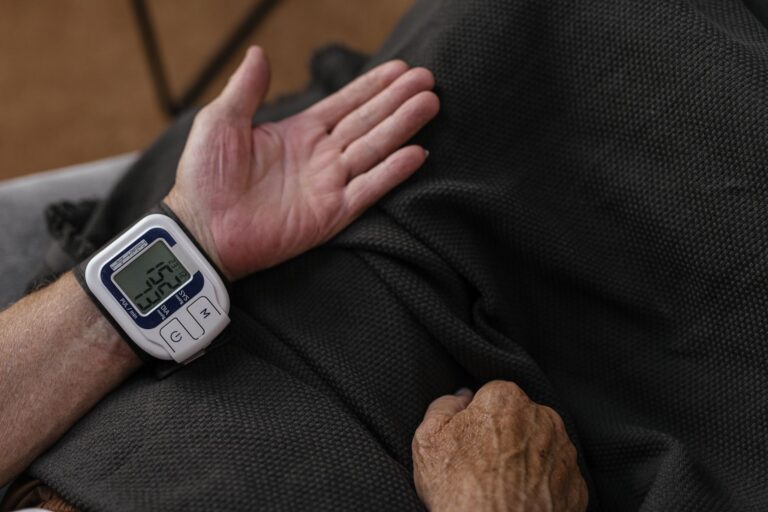
The safest approach to using cards during cognitive decline involves replacing traditional cards with simpler payment methods, having a trusted person monitor account activity, and limiting access to only essential cards kept in secure locations. As memory and judgment change, the risk of losing a card, forgetting passwords, or being deceived by fraud increases significantly—making it important to transition toward more restricted, monitored systems before problems emerge. For example, an older adult with early-stage dementia might realize they’ve written down their PIN on a sticky note in their wallet, or they’ve given their card number to someone who called claiming to represent their bank. These situations escalate quickly because the person may not remember the mistake to report it, or they may forget they already paid a bill and pay it twice.
Table of Contents
- Why Cards Become Risky as Cognitive Ability Declines
- Simplifying Your Payment System Before You Need Help
- Setting Up Trusted Oversight Before Cognitive Decline Worsens
- Digital Wallets and Biometric Payment as Safety Tools
- Protecting Against Scams When You’re Struggling to Recognize Them
- Freezing Unused Cards and Accounts
- Working With Your Bank to Flag Unusual Activity
Why Cards Become Risky as Cognitive Ability Declines
Credit and debit cards require the user to remember passwords, recognize fraud, manage multiple cards in a wallet, and make sound judgment about who to give payment information to. Cognitive decline weakens all of these simultaneously.
A person who previously managed finances flawlessly can suddenly forget their PIN after entering it hundreds of times, or struggle to notice that a charge on their statement is fraudulent. Research on elder financial abuse shows that people with cognitive impairment are targeted by scams at rates three to five times higher than cognitively intact peers, partly because they don’t recognize the manipulation and partly because they may forget they were already approached by a scammer earlier that day. The risk isn’t limited to strangers—family members and caregivers sometimes rationalize taking money or running up charges, and a person with declining judgment may not resist or report it.
Simplifying Your Payment System Before You Need Help
The most effective strategy is to streamline your payment methods while you still have full decision-making capacity. Instead of carrying multiple cards, reduce to one primary debit card for everyday purchases and remove credit cards from your wallet entirely. Store credit cards in a safe at home, where they’re less likely to be lost or compromised.
One limitation of this approach is that it requires thinking ahead—many people don’t simplify until a problem forces the issue. A safer scenario is to work with a trusted family member now to set up automatic bill pay for fixed expenses (utilities, insurance, subscription services) so that everyday spending becomes unnecessary. This dramatically reduces the number of times you need to use a card. However, automatic payments can also hide fraudulent charges if they’re not monitored regularly, so this strategy requires that someone—ideally two someones—review the statements each month.
Setting Up Trusted Oversight Before Cognitive Decline Worsens
Give a trusted family member or friend online access to your accounts (with your explicit, documented permission while you’re still mentally capable) so they can monitor activity without needing your password each time. This doesn’t mean they control your spending—you retain decision-making authority as long as you’re capable—but it means suspicious charges can be caught quickly. For example, if your account is set up with notifications sent to both your phone and your adult child’s email, a fraudulent charge to an unfamiliar merchant at 3 a.m.
gets flagged immediately. Your child can call the bank and start a dispute while the charge is still fresh. Without that second pair of eyes, you might not notice for weeks, by which time the fraud is harder to reverse. The downside is that shared account access requires a level of trust and transparency that some families find uncomfortable, and there’s a small risk that the trusted person could themselves make unauthorized transactions.
Digital Wallets and Biometric Payment as Safety Tools
Smartphone-based digital wallets (Apple Pay, Google Pay, Samsung Pay) can be safer than physical cards because they require biometric authentication—your fingerprint or face—each time you pay. This adds a layer of protection against both loss and unauthorized use. If someone steals your phone, they still can’t make a payment without your fingerprint.
A comparison: a physical card lost in a coffee shop can be used immediately by anyone who finds it or steals it. A lost phone with a digital wallet requires the thief to either know your PIN to unlock the phone or use your biometric data—a much higher barrier. However, digital wallets work only at merchants with compatible readers, and they require comfort using a smartphone. Many older adults find the smartphone interface confusing or feel more secure with a tangible card they can see and touch, so this option works better for some people than others.
Protecting Against Scams When You’re Struggling to Recognize Them
As memory and judgment decline, your ability to recognize a con call or phishing email deteriorates. A scammer calling to “verify your account” or claiming you’ve won a prize might sound plausible to you even though it would have been obviously fake five years ago. The danger is that you might give your card number, agree to transfer money, or approve a charge before your more alert family member finds out.
One protective measure is to establish a simple rule: you will never give payment information over the phone, and you’ll never authorize any transaction over the phone without calling the company back on the number printed on your card. Write this rule on a card and keep it in your wallet. The limitation is that this rule requires you to remember it in the moment, which becomes less reliable as cognitive decline progresses. A stronger safeguard is to remove the card from your wallet entirely and keep it locked at home, so you physically cannot hand it to someone or read the number to them, no matter what story they tell.
Freezing Unused Cards and Accounts
Close any credit card accounts you don’t actively use, or request that the card issuer freeze the account so it cannot be used without calling the bank first. Freezing prevents someone from using an old card they find or steal. If you have multiple bank accounts, consolidate down to one or two, and close the others.
For instance, you might have a savings account from 1995 that you haven’t touched in years, or a credit card you opened for a specific promotion. These dormant accounts are attractive targets because you rarely check them—someone could rack up charges for months without you noticing. By closing unused accounts now, you eliminate that risk and simplify your financial life at the same time.
Working With Your Bank to Flag Unusual Activity
Call your bank and explain that you’re concerned about cognitive decline and want extra protection. Many banks offer services like spending limits on debit cards, alerts for transactions over a certain amount, or a requirement that large transfers be authorized by phone with an operator (not just a PIN). Some banks will flag your account and train their fraud department to call you personally before approving any out-of-the-ordinary transaction.
An example: a bank might set a daily limit of $300 on your debit card, so even if someone steals it, they can’t drain your account in one transaction. If you need to withdraw more cash or make a large purchase, you call the bank and request a temporary increase. The bank notes the request, increases the limit for 24 hours, and then resets it back to $300. This is a small inconvenience during the period when you’re still sharp enough to manage your money, but it becomes a major protection once cognitive decline makes you vulnerable.
- —