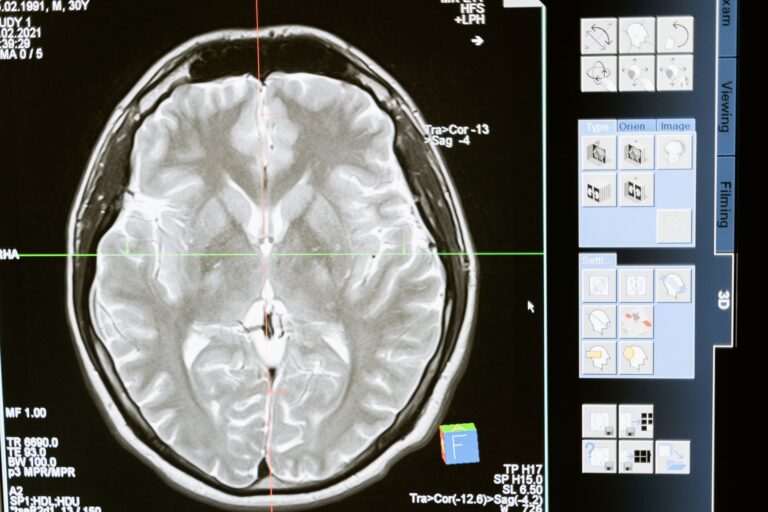
Assisted living provides housing, meals, and help with daily tasks for people with Alzheimer's or related dementias. It is most appropriate while the community can safely meet the person's cognitive, behavioral, medical, and supervision needs. Some communities offer general assistance, while others provide memory care—dementia-focused services or units with specialized staffing, activities, behavioral support, or security. Services, extra charges, and discharge rules can vary significantly.
Medical information disclaimer: This article is for general educational purposes only and does not provide medical advice, diagnosis, or treatment. Always consult a physician or other qualified health professional about symptoms, medications, tests, or treatment decisions.
Table of Contents
- What daily care usually includes
- When assisted living may no longer be enough
- What "memory care" actually means
- Questions to ask before choosing a community
- How payment usually works
- Preparing for and monitoring the move
What daily care usually includes
Assisted living generally combines a room or apartment with meals, supportive services, and some health care. The National Institute on Aging says it usually serves people who need daily help but not round-the-clock care. dementia-specific support is not standard everywhere and may cost extra.
Ask for a written explanation of the base services, dementia services, additional fees, and circumstances that could require a higher level of care. Ask how staff will learn the resident's preferences and respond to cognitive or behavioral needs. Also determine how the community develops and updates care plans as the person's condition changes.
When assisted living may no longer be enough
Alzheimer's care needs often become more intensive as the disease progresses. A person may eventually need 24-hour supervision for safety, while a nursing home can provide around-the-clock care and long-term medical treatment, according to the Alzheimer's Association. The practical limit is the community's ability to manage the resident's needs safely.
If staffing, medical coverage, or the physical environment cannot provide adequate support, the person may need another setting. Discuss these limits before moving in. Ask which changes could lead to discharge, whether the community offers more intensive care, and how it helps families plan a transfer.
What "memory care" actually means
A memory-care or special-care unit may operate within an assisted-living community. It may be secured or unsecured and may offer dementia-trained staff, specialized activities, and support for behavioral needs. The label alone does not reveal what the unit provides.
Confirm its security features, staff training, medical coverage, activities, and ability to handle the prospective resident's individual needs. Joint Commission memory care Certification offers one comparison point. The Alzheimer's Association explains that certified communities have passed an on-site evaluation and maintain structured care plans, trained staff, specialized programming, and environments intended to reduce confusing stimuli.
Questions to ask before choosing a community
Because assisted living is defined differently by each state and is not federally regulated, compare specific services instead of relying on a facility category or marketing description. Visit more than one community and request clear answers to questions such as: Consider whether the answers fit this person rather than an average resident. A community may have dementia programming yet lack the staffing, environment, or medical support that a particular resident needs.
- What dementia training do direct-care staff receive?
- What are the resident-to-staff ratios?
- What nursing or medical coverage is available on site?
- How are cognitive, behavioral, medical, and safety needs assessed?
- How are care plans created and revised?
How payment usually works
Medicare generally does not pay for non-medical long-term care, including most assisted-living services. The Centers for Medicare & Medicaid Services notes that eligible people may have alternatives through state Medicaid programs or private long-term-care insurance.
Before signing an agreement, request an itemized list of base charges and dementia-related fees. Then verify possible Medicaid or insurance coverage directly rather than assuming the policy or program will cover the proposed care.
Preparing for and monitoring the move
A move can be stressful for both the person with dementia and caregivers. Visit the community at different times beforehand, introduce family members to staff, and share the resident's routines and preferences.
Continue monitoring care after the move. Build relationships with staff, compare the care delivered with the agreed plan, and raise concerns when the resident's needs or behavior change.