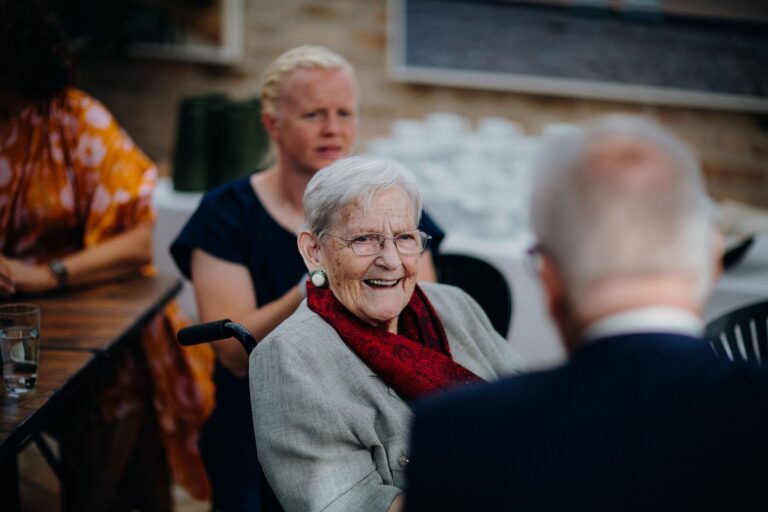
Short outings work better for people with dementia because they reduce cognitive and physical exhaustion, minimize behavioral problems, and keep outings positive rather than frustrating. When someone with dementia is taken out for extended periods—a full day at a family gathering, a three-hour shopping trip, or even a long lunch—the accumulated sensory input, navigation demands, and sustained social interaction deplete their mental resources. A person with mid-stage dementia might manage a 30-minute walk to the mailbox without incident, then become anxious or combative two hours into a shopping mall visit.
Shorter outings allow someone to engage fully while their cognitive reserves are still available. The brain with dementia processes information more slowly and has less capacity to filter background noise and visual clutter. A 45-minute coffee shop visit lets someone enjoy the company and coffee while their attention is fresh. The same person might become confused, irritable, or withdrawn after 90 minutes in a crowded restaurant, not because they’ve been entertained less, but because their brain has run out of processing bandwidth.
Table of Contents
- How Cognitive Overload Changes Outing Tolerance
- Environmental Sensory Overload and Behavioral Risk
- Energy Conservation and Mood Maintenance
- Planning Outing Duration for Real Life
- Common Mistakes in Outing Planning
- Types of Outings That Work Well in Shorter Timeframes
- Companion Role and Support During Short Outings
- Frequently Asked Questions
How Cognitive Overload Changes Outing Tolerance
Dementia reduces what’s called “working memory”—the mental scratch pad your brain uses to hold and process information in real time. A person without dementia automatically filters background noise at a restaurant, remembers where the bathroom is, and tracks a multi-person conversation. Someone with dementia has to consciously work at all of these tasks simultaneously. This mental effort is real and exhausting, even if the person doesn’t complain about it. Research on healthy aging shows cognitive fatigue happens to everyone—after sustained mental effort, task performance drops and errors increase.
In dementia, this fatigue arrives earlier and more steeply. A two-hour outing that would tire a healthy older person might completely deplete someone with mid-stage dementia. After that depletion point, behavioral problems often follow: the person might refuse to go places they previously enjoyed, become aggressive or withdrawn, or sleep excessively afterward. A single extended outing can damage future willingness to leave the house. This isn’t stubbornness or depression; it’s a real neurological capacity limit. By keeping outings to one hour or less—enough time for meaningful activity but short of exhaustion—you maintain both enjoyment during the outing and openness to future outings.
Environmental Sensory Overload and Behavioral Risk
A shopping mall, restaurant, or crowded park bombards the senses: multiple conversations, background music, bright lights, moving people, changing visual scenes. The healthy brain filters most of this automatically. The dementia-affected brain cannot, so every element demands conscious attention. This sensory overload directly triggers anxiety, agitation, and behavioral problems—not because the person is unhappy, but because their brain is overwhelmed. Shorter outings mean shorter exposure to this sensory onslaught.
A 20-minute walk in a quiet neighborhood is restorative; the same person in a noisy grocery store for 20 minutes might already be becoming irritable. Extend that grocery trip to an hour, and you’ve likely created a full behavioral crisis—refusing to leave the store, arguing, or becoming tearful. The person isn’t having a “bad day”; they’ve hit the point where their brain can no longer manage the environment. One important limitation: some people with dementia become anxious if an outing feels too short, as if they’re being “rushed.” Others with anxiety disorders become more agitated, not less, during shorter outings because they’re watching the clock or feel truncated activity is evidence of further decline. The goal is finding the right length for the individual, which sometimes requires trial and adjustment.
Energy Conservation and Mood Maintenance
Cognitive energy isn’t separate from physical energy in dementia. The mental work of tracking a conversation, navigating a space, or managing social interaction is exhausting for the brain itself. A two-hour outing might leave someone not just mentally tired but physically exhausted—sleeping hard that evening and waking groggy the next day. This recovery time disrupts routines and reduces time available for other activities and social engagement.
Shorter, regular outings—three times a week for 45 minutes instead of one long monthly outing—maintain better mood, engagement, and quality of life. A person who goes out briefly most days stays more alert, more connected to their community, and more cooperative at home. The cumulative benefit of multiple short positive experiences is greater than one intense outing followed by recovery and withdrawal. For example, someone with moderate dementia who takes a 30-minute walk to a familiar coffee shop three times a week experiences meaningful social connection, outdoor exposure, and change of scene without the behavioral fallout that might follow an afternoon-long family gathering. They’re also less likely to develop stubborn refusal around outings, because outings haven’t caused them distress.
Planning Outing Duration for Real Life
The ideal outing length depends on the individual’s stage of dementia and what they’re doing. A structured activity with a clear purpose—a specific errand, a visit to one person, a walk to a familiar place—can often hold attention longer than less-structured time. A 45-minute doctor’s appointment is more manageable than 45 minutes browsing without direction, because the doctor’s visit has a purpose the person can understand. A practical framework: for early-stage dementia, one to two hours is often sustainable if the environment is low-stress and familiar. For mid-stage, 30 minutes to one hour is more typical. For late-stage dementia, 15 to 30 minutes is often the limit.
But these are generalizations. A person who enjoys something strongly—visiting a specific grandchild, going to a specific store—often tolerates longer outings for that activity than for generic social time. The tradeoff is that doing the thing they really want to do for longer means they’re more tired afterward and less available for other people or activities. Planning also means timing outings for when the person is at their cognitive best. Most people with dementia are more alert in morning or early afternoon, less so as the day progresses. An outing scheduled when someone is already tired sets the stage for behavioral problems. The same outing at a better time often goes smoothly.
Common Mistakes in Outing Planning
A frequent mistake is assuming that longer outings with more stimulation will be “better for them” or help prevent decline. In fact, the opposite often occurs: overstimulating outings create negative associations with leaving home. A family who takes someone with dementia on a full day of activities—lunch, shopping, a movie, dinner—might accomplish what they see as quality time but create fatigue and irritability that makes the person resistant to outings for weeks after. Another mistake is providing no warning or transition time. If you simply say “let’s go out” and strap someone into a car, they’re cognitively unprepared, even if they’ve been somewhere many times before. Ten minutes of notice—”We’re going to visit John in 10 minutes”—gives the brain time to shift modes and reduces resistance.
Abrupt transitions create anxiety and resistance. A limitation to acknowledge: some outings can’t be short by nature. A doctor’s appointment might take 90 minutes. An important family event might require several hours. In these cases, plan realistic breaks (a quiet waiting room to sit in, a chance to use a bathroom and get water), prepare the person beforehand so they know what’s coming, and plan a calm recovery period afterward. It’s not ideal, but sometimes necessary.
Types of Outings That Work Well in Shorter Timeframes
Structured, familiar, sensory-light outings are most compatible with shorter durations. A walk to the same park every other day takes 20-30 minutes and provides consistent benefit. A regular visit to the same coffee shop or library, where staff recognize the person and there’s predictability, works well in 30-minute slots.
A one-on-one visit with a family member or friend—just sitting together, not doing a complex activity—is often valued and manageable even in early-stage dementia. Activity-specific outings also work: a visit to a favorite restaurant for lunch with one other person, an outing to get ice cream, a drive past neighborhood landmarks that have personal meaning. These have a clear beginning, middle, and end, which helps the person track time cognitively. Open-ended social time at a large gathering is harder to manage in any timeframe, but especially in longer ones.
Companion Role and Support During Short Outings
The person accompanying someone with dementia matters to outing success. One calm, focused companion is better than multiple people competing for attention or taking the person in different directions. The companion’s job is partly to watch for signs of fatigue—confusion increasing, withdrawal, irritability—and be ready to end the outing before behavioral problems occur, not after. This requires real attention.
Someone scrolling on their phone while accompanying an outing doesn’t notice the increasing confusion and anxiety building in the person with dementia until it’s too late. An engaged companion—making eye contact, speaking clearly, responding to the person’s interests—both makes the outing more pleasant and better reads when to leave. Stopping an outing five minutes before someone becomes frustrated is much better than waiting until a public behavioral problem develops. It also preserves the person’s memory of the outing as positive, not stressful.
Frequently Asked Questions
How do I know if an outing is too long for someone with dementia?
Watch for increasing confusion (asking repeated questions, seeming lost in a familiar place), withdrawal or reluctance to engage, irritability, or physical restlessness. These are signs the cognitive load is too high. If you see these signs regularly during outings of a certain length, shorten future outings by 10-15 minutes.
Can short outings help prevent decline?
Regular, manageable outings preserve engagement and mood better than no outings. But the goal of shorter outings isn’t to reverse cognitive decline—it’s to maintain quality of life and positive associations with activity. Shorter, frequent outings do this better than longer, rare ones.
What if someone refuses to leave the house after a bad outing experience?
Start very small—a five-minute walk to the mailbox, or sitting on the porch. Rebuild positive association slowly. If someone has had a distressing outing experience, they may need several weeks of very short, predictable, pleasant outings before they trust the outing experience again.
Should I tell someone with dementia before the outing how long it will be?
Only if they understand time in a meaningful way. If the person has lost time-sense, saying “we’ll be out for 45 minutes” may create anxiety they can’t resolve. Instead, you might say “we’re going to get coffee and walk back,” which gives structure without emphasizing duration.
Is it better to take someone out alone or with family?
Both have value, but for shorter outings, one calm companion is often ideal. Multiple people mean multiple conversations, more sensory input, and more potential for conflict. One-on-one outings in early-to-mid stage dementia tend to go more smoothly than group outings.
Can I do a short outing and then come back to do a second activity?
Sometimes, but be cautious. Two 30-minute outings back-to-back might equal one 60-minute outing in cognitive demand—the person is already partially fatigued from the first. Spacing them with a real rest period at home is better.