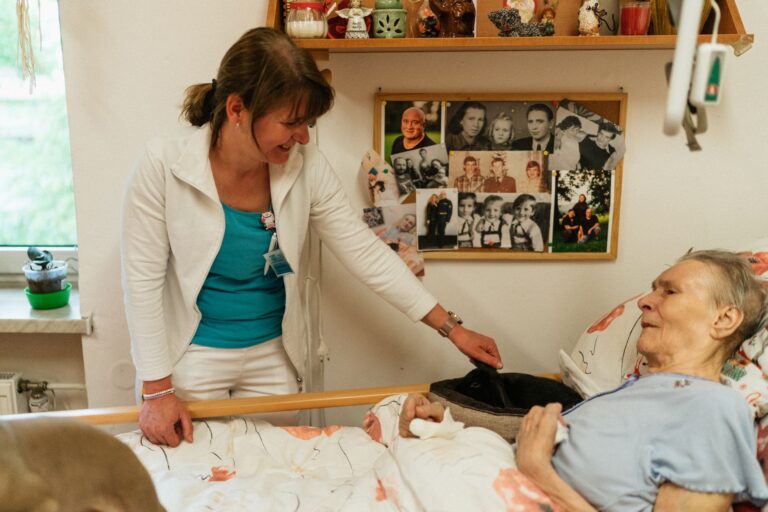
Routine acts as a stabilizing force for the brain recovering from neurological damage. When neural pathways are disrupted—whether by stroke, dementia, Parkinson’s disease, or traumatic injury—predictable, repeated activities create new pathways and reinforce surviving ones. A person with early-stage dementia who follows the same morning sequence every day (breakfast at 7, walk at 9, lunch at noon) experiences less anxiety, performs better cognitively during those activities, and loses less functional ability than someone without structure. The brain doesn’t restore itself through occasional stimulation; it restores itself through consistency.
This isn’t motivational theory. Brain imaging shows that repeated actions activate neuroplasticity—the brain’s capacity to form new connections. For someone in neurological recovery, routine isn’t optional comfort; it’s therapeutic infrastructure. The predictability reduces cognitive load (the brain doesn’t waste energy deciding what to do next), which frees processing power for actual recovery. It also buffers against behavioral and mood changes that commonly accompany brain injuries and neurodegenerative diseases.
Table of Contents
- Why Does Routine Matter More in Neurological Recovery Than General Health?
- How Routine Protects Against Neurological Decline
- The Role of Environmental Consistency
- Designing a Recovery Routine That Actually Works
- The Risk of Behavioral Changes When Routine Breaks Down
- Routine and Physical Recovery After Stroke
- Maintaining Routine Through Caregiver Burnout and Change
Why Does Routine Matter More in Neurological Recovery Than General Health?
In healthy brains, novelty and variation strengthen neural networks—trying new restaurants, learning new skills, changing your exercise routine. But in a recovering brain, novelty creates stress. The damaged or degenerating nervous system is already using excess energy just to function. A person with a recent stroke or mid-stage dementia who encounters an unexpected change (a different room, a new caregiver, an altered schedule) can experience disproportionate confusion, agitation, or functional decline. The cognitive cost of processing that change outweighs any benefit from stimulation. Routine works by lowering that cognitive cost.
When a person with Parkinson’s disease follows the same walking route every morning, their motor cortex doesn’t have to replan the path; it can focus on executing the movement. When someone with dementia eats at the same table, at the same time, with the same people, their brain invests less energy in orientation and more in memory retrieval and social engagement. A study of residents in memory care units showed that those in highly structured environments with consistent daily schedules had 30% fewer behavioral incidents than those in flexible environments, despite receiving identical medical care. But consistency alone isn’t enough. The routine must match the person’s current abilities. A person in later-stage dementia who is pushed to follow a morning routine that’s become too cognitively demanding will experience frustration and decline. The routine needs to simplify as the disease progresses, not remain fixed.
How Routine Protects Against Neurological Decline
Routine creates what neuroscientists call “procedural memory”—the kind of memory that survives longer in neurodegenerative diseases than episodic memory (remembering specific events). Someone with moderate Alzheimer’s disease may not remember their spouse’s name, but their hands remember the motions of making tea if they’ve made it the same way for decades. Routine embeds skills and actions into the nervous system itself, bypassing the hippocampus and cortex—the regions first damaged by Alzheimer’s. This has a measurable effect on independence and quality of life. A person who can perform self-care tasks (dressing, eating, toileting) through procedural memory retains dignity and requires less caregiver assistance, even as their cognitive abilities deteriorate. However, this protection is time-limited.
Procedural memory degrades too, especially in later stages of dementia. A routine that works at year two of diagnosis may stop working by year five. This is why caregivers often report a sudden, sharp decline: the disease has progressed past the point where procedural memory can compensate. There’s also a risk of over-reliance on routine. Some families create such rigid schedules that the person loses the ability to adapt to necessary changes—moving to a new living situation, adjusting to a hospital stay, or accepting a new medication regimen. The routine becomes a cage rather than a scaffold.
The Role of Environmental Consistency
Routine extends beyond time and activity; it includes physical space. The brain’s spatial memory and navigation systems are often among the first to suffer in dementia and stroke recovery. Keeping the person’s environment consistent—the same bedroom layout, the same bathroom setup, the same path through the house—reduces disorientation and allows the person to move independently longer. A 78-year-old man with vascular dementia could no longer remember his address or the route to his local shop, but he could navigate his home flawlessly because nothing had changed. His bedroom door was always on the right, the bathroom always had the same grab bars, the kitchen table was always by the window.
When he visited his son’s house—a completely different layout—he became panicked and confused within minutes. Consistency of place, like consistency of time and activity, becomes a form of external memory for the damaged brain. This extends to caregiver consistency as well. A person with dementia who sees the same caregiver every day will show more trust, better cooperation with care tasks, and fewer behavioral problems than someone rotated among different caregivers. The caregiver becomes familiar, predictable—another element of routine that reduces the cognitive and emotional burden of managing a degenerating nervous system.
Designing a Recovery Routine That Actually Works
Building a functional routine requires matching the person’s abilities, not forcing them into a predetermined schedule. A morning routine for someone in early-stage dementia might be: wake at 7, coffee in bed (5 min), shower with grab bars (assist as needed), dress in pre-selected clothes, eat breakfast at the table. For someone in mid-stage dementia, the routine might simplify to: wake at 7, simplified toileting with full assistance, dress in easy clothing, eat at the table. The structure remains, but the cognitive and physical demands adjust. The most effective routines also include a balance between repetition and mild variation.
The same time and place for activities (repetition), but different people to visit or different foods to eat (variation within structure). This prevents the monotony that can increase depression and apathy in people with neurological illness, while maintaining the cognitive predictability that aids recovery and function. One limitation: not every person with neurological damage responds equally to routine. Some individuals become bored or reactive to rigid schedules, especially those with certain personality types or with damage to areas of the brain that regulate impulse control. A person with a frontal lobe stroke may become agitated by repetitive activity. These people often need more variation, not less—a counterintuitive approach that many caregivers find difficult to implement.
The Risk of Behavioral Changes When Routine Breaks Down
Any disruption to an established routine—a doctor’s appointment, a hospital stay, a change in the caregiver—can trigger significant behavioral and cognitive decline in people with neurological damage. This isn’t defiance or attention-seeking; it’s a symptom of the underlying disease. The brain can no longer quickly adapt to unexpected change. A woman with early-stage dementia who had been stable for two years was hospitalized for a hip fracture. The hospital environment (new room, new staff every shift, irregular meals, altered sleep schedule) triggered acute confusion and agitation.
When she returned home, even after the hip healed, she remained more confused and anxious than before the hospitalization. The routine had been disrupted so thoroughly that her brain, which had adapted to a specific daily pattern, couldn’t re-establish it at the same level. This is common enough that some geriatricians recommend family members stay with hospitalized dementia patients to maintain routine elements (familiar clothing, familiar foods, consistent sleep schedule) whenever possible. Recovery from major disruptions happens slowly, if at all. Rebuilding the routine takes weeks or months. Some people never fully recover their previous level of function after a significant break in routine.
Routine and Physical Recovery After Stroke
Routine is equally important in post-stroke recovery, where the goal is to retrain the brain to use damaged motor pathways. Repetitive, consistent practice of a specific movement—walking the same route daily, doing the same physical therapy exercises at the same time, using the affected limb in the same way—activates neuroplasticity and allows the brain to reroute function around the damaged area. A 62-year-old man had a left hemisphere stroke that affected his right arm and speech.
His most effective recovery came not from intensive, varied therapy, but from a strict routine: 30 minutes of the same physical therapy exercises every morning, followed by 30 minutes of speaking practice with a speech therapist at the same time daily. After six months of this consistent routine, he regained significant arm function and speech clarity. When he tried to skip days or vary the routine, his progress plateaued. The brain needs repetition, not novelty, to rebuild damaged pathways.
Maintaining Routine Through Caregiver Burnout and Change
A significant barrier to long-term routine success is caregiver burnout. The person with dementia or neurological damage needs consistency, but the caregiver implementing that consistency often faces exhaustion, depression, and the temptation to “take a break” from the routine. When a caregiver’s stress levels spike, one of the first things to slip is the daily structure. Sustainable routine requires acknowledging that consistency doesn’t mean perfection.
Some days the morning walk happens at 8:45 instead of 9; some days lunch is at 12:15 instead of 12. The brain can tolerate small variations. What it cannot tolerate well is the complete collapse of structure. A caregiver who protects the core elements of the routine (regular mealtimes, sleep schedule, one familiar activity) while allowing flexibility in the details is more likely to sustain that routine long-term than someone trying to execute a rigid timetable. One adult day program in Massachusetts reported that families who succeeded long-term with dementia care were those who identified three to four non-negotiable daily routines and protected those fiercely, rather than trying to maintain an elaborate 12-item daily schedule.
- —