Research increasingly demonstrates that a significant portion of cognitive decline is not an inevitable consequence of aging. While dementia affects millions worldwide, studies suggest that approximately 45 percent of cognitive decline cases could be prevented or delayed through modifiable lifestyle and environmental factors. This means that nearly half of the people who experience memory loss, confusion, or difficulty with thinking may never have developed these problems if they had made different choices earlier in life. A 65-year-old woman who begins regular aerobic exercise, adopts a Mediterranean-style diet, and maintains active social connections may prevent the same cognitive decline that befalls a peer who remains sedentary, isolated, and eats a processed-food diet. The implications of this research are profound.
Rather than viewing cognitive decline as an untreatable consequence of getting older, medical professionals and researchers now recognize dementia prevention as an active, achievable goal. The modifiable risk factors fall into clear categories: cardiovascular health, cognitive engagement, physical activity, diet, hearing and vision correction, sleep quality, and social connection. Many people have been making decisions throughout their lives—about exercise, diet, social engagement, and medical care—without realizing how directly these choices influence their brain health decades later. However, the preventability statistic applies only to cases where interventions are implemented before significant cognitive decline begins. Once dementia has progressed to moderate or severe stages, these strategies may slow but not reverse the damage. The critical window for prevention is middle age and early older adulthood, when the brain still has substantial plasticity and when modifiable risk factors can still be controlled.
Table of Contents
- Which factors drive the 45% preventability rate?
- How do lifestyle interventions create protective effects?
- What role does cognitive engagement play in prevention?
- How can people build practical prevention routines?
- What gaps and limitations exist in prevention research?
- How do hearing loss and sensory deficits intersect with dementia risk?
- Why does the prevention window narrow with age?
Which factors drive the 45% preventability rate?
The research supporting the 45 percent figure comes from large population studies examining what researchers call “modifiable risk factors”—conditions that people can actually change, unlike age or genetics. These factors include high blood pressure, obesity, physical inactivity, depression, cognitive inactivity, social isolation, excessive alcohol consumption, smoking, diabetes, hearing loss, and poor sleep. Each of these has a dose-response relationship with dementia risk: the more severe the factor and the longer it persists, the greater the risk. Cardiovascular health occupies a central role in this equation. High blood pressure in midlife accelerates cognitive decline by damaging blood vessels in the brain.
A 50-year-old with uncontrolled hypertension suffers cumulative vascular damage that a peer with controlled blood pressure avoids entirely. Similarly, type 2 diabetes increases dementia risk by disrupting glucose metabolism in the brain and promoting inflammation. Physical inactivity compounds these problems: sedentary people have higher rates of obesity, diabetes, hypertension, and depression—a constellation of risk factors that work synergistically to damage cognition. Cognitive reserve—the brain’s resilience against damage—can be built through education, mental stimulation, and learning new skills. People who engage regularly with challenging mental activities, whether through work, hobbies, learning languages, or playing strategic games, develop more neural connections and have greater cognitive reserve. When brain damage occurs from aging or disease, this reserve allows some people to maintain cognitive function despite pathology that would devastate someone with less reserve.
How do lifestyle interventions create protective effects?
The protective mechanisms work through multiple overlapping pathways. Physical exercise increases blood flow to the brain, promotes the growth of new neurons in the hippocampus (a memory center), reduces inflammation, and improves cardiovascular function. A person who exercises regularly for decades experiences less brain atrophy than a sedentary peer. Mediterranean-style diets rich in olive oil, fish, vegetables, legumes, and whole grains provide antioxidants and anti-inflammatory compounds that protect neurons from oxidative stress and tau protein accumulation. Social connection activates multiple brain systems and reduces stress hormones that damage the hippocampus. Loneliness and social isolation create chronic stress that promotes neuroinflammation and accelerates cognitive decline.
A retiree who maintains close friendships, participates in group activities, and feels embedded in a community experiences substantially different brain aging than an isolated peer. Yet many people do not make social connection a health priority until cognitive problems appear—by which point some damage is irreversible. One important limitation is that these interventions work best when implemented together and sustained over decades. A person who exercises for six months then becomes sedentary again will not achieve the same protection as someone who maintains consistent physical activity throughout middle age and older adulthood. The brain requires ongoing investment, not occasional effort. Additionally, the benefit varies across individuals depending on genetic predisposition, early-life experiences, and educational attainment. Someone with strong genetic risk for Alzheimer’s disease may prevent decline but not eliminate it entirely.
What role does cognitive engagement play in prevention?
Cognitive stimulation creates new neural pathways and strengthens existing connections, building what researchers call “cognitive reserve.” This is distinct from intelligence—it reflects how robustly the brain can function despite aging or damage. A person learning a new language at age 65 is not just acquiring vocabulary; they are creating structural brain changes that make their cognitive system more resilient. Chess players, musicians, people engaged in complex work, and lifelong learners develop larger hippocampi and maintain better gray matter volume in old age compared to less cognitively active peers. The type of cognitive engagement matters. Passive consumption—watching television or scrolling through social media—does not build cognitive reserve the way active, effortful learning does.
A 72-year-old taking art classes engages their brain differently than one doing casual crosswords. The brain adapts to the demands placed on it: challenging pursuits create stronger adaptations. Puzzles, games, and hobbies that require concentration, strategy, and learning offer more protection than activities that require minimal mental effort. A critical distinction is between cognitive reserve and cognitive training programs marketed directly to consumers. While building cognitive reserve through authentic engagement in complex activities has strong evidence, commercial “brain training” software and apps show much weaker evidence for preventing dementia. The difference appears to be that real learning—acquiring a skill, understanding new information, engaging with genuinely difficult material—creates more robust protection than repetitive exercises designed for entertainment.
How can people build practical prevention routines?
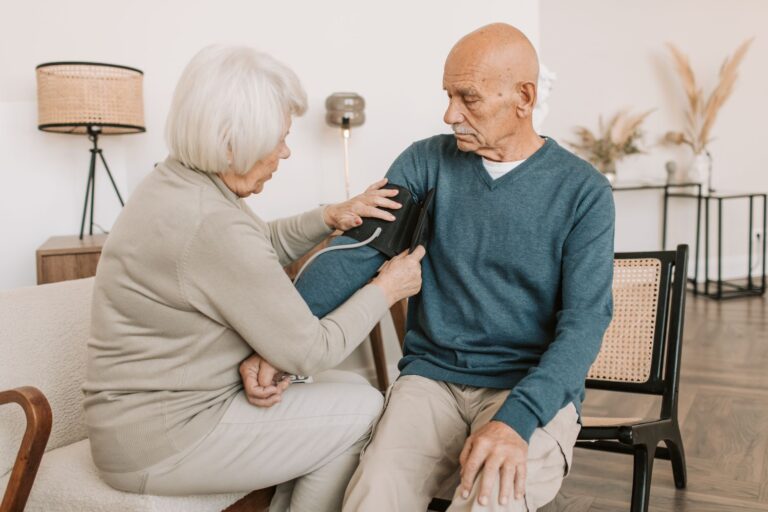
Effective prevention integrates multiple changes into sustainable routines rather than attempting dramatic overhauls. A practical approach begins with cardiovascular health: monitoring blood pressure, managing diabetes, treating sleep apnea, and maintaining healthy weight. These foundational changes reduce vascular damage that undermines cognitive function. Regular aerobic exercise—150 minutes per week of moderate activity like brisk walking, cycling, or swimming—provides robust protection. This does not require gym membership or special equipment; walking counts if done at a pace where conversation is slightly difficult. Diet shifts toward Mediterranean patterns do not require perfection.
The key is increasing fish consumption to twice weekly, using olive oil as the primary fat source, eating abundant vegetables and legumes, and reducing processed foods and added sugars. A person accustomed to a standard processed diet does not need to change everything simultaneously; small shifts—replacing one meat meal with fish, adding more vegetables to dinner, switching to olive oil—compound over time. Social and cognitive engagement requires intentional choice in modern life. This means joining groups, taking classes, pursuing hobbies, or maintaining regular contact with friends and family. For those with limited mobility or resources, technology offers some options: video calls with distant family, online learning courses, or interest-based online communities. However, in-person interaction appears to offer more protection than digital-only connection, likely because face-to-face contact engages more neural systems and involves more complex social processing.
What gaps and limitations exist in prevention research?
The 45 percent preventability figure represents the proportion of dementia cases linked to modifiable risk factors in observational studies. However, causation is more complex than correlation. People who adopt healthy lifestyles often differ in numerous ways from those who do not—education level, socioeconomic resources, access to healthcare, cultural factors, and genetic predisposition all influence both lifestyle and dementia risk. Randomized trials testing individual interventions show benefits but typically smaller than observational data suggests, indicating that some of the association reflects selection bias. Additionally, prevention research focuses overwhelmingly on people with resources. Older adults in high-income countries with stable housing, healthcare access, education, and time for exercise and social engagement are overrepresented in studies. The applicability to people experiencing poverty, food insecurity, unstable housing, or multiple chronic illnesses is unclear.
A person working two jobs to survive has different constraints than a retiree with pension income. Effective prevention requires acknowledging these inequities rather than assuming that universal lifestyle prescriptions apply equally across populations with vastly different circumstances. Another limitation is the assumption that prevention works equally for all types of cognitive decline. Alzheimer’s disease, vascular dementia, Lewy body dementia, and frontotemporal dementia have different biological mechanisms. Interventions that prevent vascular dementia might not prevent Alzheimer’s disease. Most prevention research focuses on Alzheimer’s, leaving less evidence for other dementia types. Additionally, some people with minimal risk factors still develop cognitive decline, suggesting that genetic or early-life factors not yet fully understood play roles that lifestyle modification cannot overcome.
How do hearing loss and sensory deficits intersect with dementia risk?
Untreated hearing loss accelerates cognitive decline through multiple mechanisms. People with hearing loss withdraw from social interaction, reducing cognitive stimulation and increasing isolation. The brain must work harder to process degraded auditory signals, consuming cognitive resources that might otherwise support memory and thinking. Additionally, chronic stress from communication difficulty activates inflammatory pathways that damage the brain.
Older adults with untreated hearing loss show faster cognitive decline than those with hearing aids or cochlear implants, even after controlling for other factors. Hearing correction through aids or implants may prevent some of this decline, yet many people resist treatment because of stigma, cost, or adjustment difficulty. A 70-year-old with moderate hearing loss who obtains and consistently uses hearing aids maintains more active social engagement and may preserve cognitive function better than a peer who avoids treatment. Vision problems show similar relationships: uncorrected vision loss increases isolation and cognitive inactivity.
Why does the prevention window narrow with age?
The brain retains some plasticity and capacity for change throughout life, but this capacity diminishes with age. In young adulthood, the brain builds cognitive reserve through learning, physical fitness, and neural development. In middle age, this reserve can still be substantially improved through lifestyle changes. By late older adulthood—particularly after age 85—the protective effects of lifestyle interventions appear smaller, though some benefit persists.
A person who begins cardiovascular exercise, cognitive engagement, and social connection at age 80 may still improve cognition compared to baseline, but not as dramatically as someone who started these practices at age 60. This timing has significant implications: waiting until memory problems appear to adopt these strategies is substantially less effective than preventing problems through early investment. A 40-year-old who begins regular exercise, maintains social connections, and engages cognitively is making investments that will pay dividends decades later. Someone who ignores these factors at age 40, then attempts to reverse the damage at age 75, faces much steeper biological headwinds. The research suggests that midlife is the critical intervention window—the period when people still have the most capacity to change their trajectory.