Prioritizing patient well-being over medical protocols means recognizing that strict adherence to standardized procedures can sometimes harm people with dementia, especially when those protocols ignore individual preferences, comfort, and quality of life. A 78-year-old woman with moderate Alzheimer’s who refuses to take statins designed to prevent future heart disease is not being difficult—she may be communicating, in the only way her declining cognition allows, that she values her remaining time free from the burden of medication side effects. Healthcare systems designed around protocol compliance often miss these moments of genuine patient preference, defaulting instead to “the standard of care” even when that standard conflicts with what a specific person actually needs. The tension between protocols and well-being is sharpest in dementia care because patients cannot always articulate their wishes, and medical protocols assume a level of decision-making capacity that dementia erodes.
A protocol for blood pressure management, for example, was written for a population in general—not for a person in late-stage dementia who becomes agitated and uncooperative during medical procedures. The protocol does not account for the fact that forcing medication on an agitated person causes falls, emotional distress, and loss of dignity. Protocol compliance, without judgment, produces patient harm. This distinction matters legally, ethically, and practically. Healthcare decisions that prioritize the person over the procedure require advocates, documentation, and a willingness to deviate from the standard path.
Table of Contents
- When Rigid Adherence to Medical Protocols Fails Dementia Patients
- Person-Centered Care Versus Standardized Medical Procedures in Dementia
- How Dementia Disrupts Communication and Makes Protocol Flexibility Urgent
- How Families and Advocates Can Push Back on Protocols That Harm Quality of Life
- When Healthcare Systems Resist Flexibility and Prioritize Legal Protection Over Personhood
- End-of-Life Care and the Case for Comfort Over Cure
- Documentation, Accountability, and the Paper Trail That Protects Ethical Care
- Frequently Asked Questions
When Rigid Adherence to Medical Protocols Fails Dementia Patients
medical protocols serve an important purpose—they reduce variation, improve outcomes for populations, and protect patients from unsafe or uninformed decisions. But protocols are averages. They describe what works best for the typical 70-year-old with heart disease, not for Mrs. Chen, who is 88, has late-stage dementia, and does not want to spend her final months in medical procedures. When healthcare providers follow protocols without applying clinical judgment to individual circumstances, they optimize for measurable medical outcomes (lower cholesterol, controlled blood pressure) and away from unmeasurable ones (peace, dignity, family time). A common example: a patient with advanced dementia enters a hospital for a urinary tract infection. The protocol calls for a catheter, antibiotics, and monitoring. But Mrs.
Chen with dementia will pull at the catheter, become confused by its presence, and resist care. The protocol minimizes infection risk but maximizes her distress. A person-centered approach might accept a higher infection risk in exchange for less invasive treatment, oral antibiotics, and comfort. The protocol-driven approach assumes infection prevention is categorically more important than her immediate suffering—an assumption that may be wrong for someone with a limited remaining lifespan and diminished quality of life. Insurance companies and hospital legal teams favor strict protocol adherence because it is defensible. If a patient is harmed and a lawsuit follows, the hospital can point to the protocol and say, “We followed the standard of care.” Deviation from protocol, by contrast, introduces legal exposure. This institutional bias toward protocol compliance creates a system that punishes flexibility even when flexibility would better serve the patient. Families often sense this rigidity and face a grim choice: accept the protocol or fight the entire hospital system.
Person-Centered Care Versus Standardized Medical Procedures in Dementia
Person-centered care is the philosophical opposite of protocol-first medicine. It begins with the individual—their history, preferences, values, and current wishes—and builds care decisions around that person, not around diagnostic categories or institutional templates. In dementia care, person-centered practice acknowledges that a person with Alzheimer’s disease is still a person, with preferences about how they want to be treated, even if those preferences are expressed through resistance, emotion, or behavior rather than clear speech. The conflict becomes acute in decisions about resuscitation, feeding tubes, and end-of-life care. A protocol might say: “All patients receive CPR unless they have a documented Do Not Resuscitate order.” But what about the man with advanced dementia who has not explicitly requested DNR status, yet whose family and longtime companion know he would never want emergency intubation and mechanical ventilation? The protocol-driven system offers a default: full intervention.
The person-centered system would listen to the life narrative, consider the current quality of life, and ask, “What does this person’s actual life look like, and what would interventions accomplish for them?” The answers may differ radically. A limitation of person-centered care, however, is that it requires time, expertise, and genuine conversation. It is slower and messier than protocol compliance. A healthcare system built on person-centered care must hire enough staff to have these conversations, train them to conduct them well, and pay them enough to stay in the job. Many hospitals cannot afford this model and instead rely on protocol checklists. The choice to prioritize the person, in a real healthcare system, costs money—and if money is not allocated, the choice cannot be made at scale.
How Dementia Disrupts Communication and Makes Protocol Flexibility Urgent
Dementia erodes the ability to communicate wants and needs at the same moment that patients are most vulnerable to medical interventions. A person with moderate cognitive decline may no longer be able to explain that the medication makes them dizzy, that they are experiencing side effects, or that they have changed their mind about treatment. They cannot consent or refuse clearly. This communication breakdown, combined with the medical system’s need for clear yes/no decisions, creates a void where protocols step in as a substitute for actual preference. When a person with dementia resists a procedure—pulling away from blood draws, refusing to drink an oral medication, becoming agitated during a physical exam—healthcare providers and families often interpret the behavior as a symptom of the disease rather than as communication. But sometimes resistance is genuine preference: the person does not want the procedure.
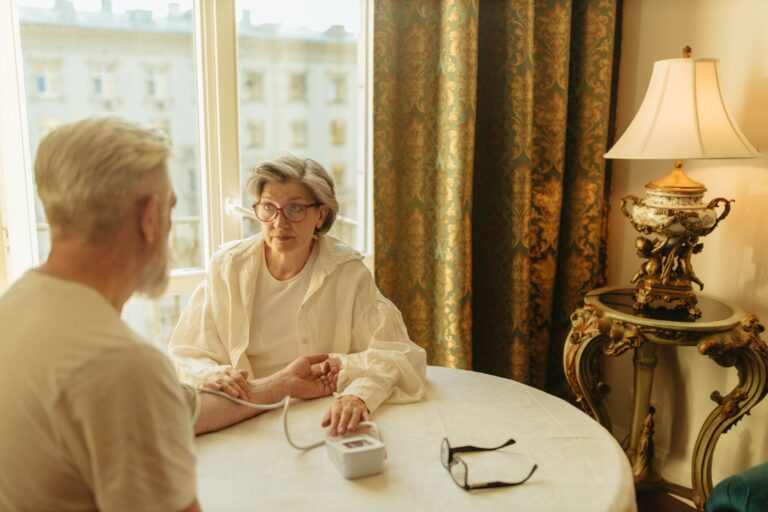
Without the ability to ask directly, “Can you tell me why you’re pulling away?” caregivers and clinicians often assume noncompliance is irrational and proceed with the protocol anyway, often with physical or chemical restraint. This approach silences the patient and treats their body as an object to be managed rather than a person to be understood. A real-world example: A woman with moderate Alzheimer’s becomes distraught every time her blood pressure is checked. The automatic blood pressure cuff frightens her. The protocol says to monitor her blood pressure regularly. Instead of asking “Why does this frighten her and can we do it differently?” a protocol-first approach says, “Document the noncompliance, try again next visit.” A person-centered approach might use a manual cuff held gently by a familiar person, or less frequent checks, or accept some gap in data in exchange for reducing her distress. The choice depends on whether the system is organized to accommodate flexibility or only to enforce protocol.
How Families and Advocates Can Push Back on Protocols That Harm Quality of Life
Families and patient advocates have leverage, though it is often invisible to them. Most healthcare systems have an ethics committee, a patient advocate, and a chain of decision-making that includes family input. These structures exist precisely because protocols alone do not account for individual circumstances. When a family believes a protocol is causing more harm than benefit, they have the right to request a deviation, to escalate the discussion, and to demand documentation of the reasoning. The practical first step is to name the conflict explicitly: “We understand the protocol calls for X, and we are not refusing treatment. We are asking you to consider whether X is right for our family member, given her stage of illness and her known wishes.” This framing is not argumentative; it is collaborative. It invites the healthcare team to exercise professional judgment rather than hiding behind the protocol. Many clinicians are relieved when families do this because they, too, often see the protocol-patient mismatch and wish they had permission to be flexible. The second step is documentation.
Request that the deviation from protocol, and the reasoning, be recorded in the patient’s medical chart. Write a clear statement of the patient’s known preferences—”Mom always said she never wanted to be on life support”—and ask that it be in the file. This creates a record that protects the family if the decision later becomes controversial. It also makes the deviation less legally risky for the hospital because it shows that the choice was deliberate, informed, and documented. A hospital that deviates from protocol quietly is legally exposed; one that deviates with explicit family agreement and clinical documentation is not. A crucial limitation is that this approach requires the family to be present, educated, and able to advocate. Patients without strong family involvement, or families too overwhelmed or unfamiliar with the healthcare system to push back, have no one to argue for flexibility. The system, left to its own devices, will follow protocol. This disparity means that patients with educated, engaged families may receive person-centered care while others do not—an injustice that persists even when better care is available.
When Healthcare Systems Resist Flexibility and Prioritize Legal Protection Over Personhood
Not all hospitals and care facilities are equally willing to deviate from protocols. Some organizations have strong cultures of shared decision-making and person-centered care; others are rigidly risk-averse, especially in the areas of end-of-life care and pain management. The difference often comes down to leadership. A hospital executive who understands that protocol flexibility, done thoughtfully, reduces harm and is legally defensible will build a culture that supports it. A hospital that sees deviations as liability will create pressure on clinicians to comply. One warning sign is a healthcare system that refuses to have conversations about limiting interventions until a patient is enrolled in hospice or palliative care.
This artificial boundary—”We cannot talk about not doing X until you have officially given up”—is protocol-driven and patient-harmful. A person-centered system would say, “Let’s talk about your goals and values now, and let’s align care with what matters to you, whether or not that means hospice.” Some systems impose this boundary not because it is medically necessary but because it is administratively easier. Protocols exist separately for “curative care” and “end-of-life care,” and the system is structured to enforce the curative protocol unless the patient explicitly opts out. A second warning is the casual use of physical or chemical restraint to enforce protocol compliance. If a facility regularly medicates a patient to make them compliant with a procedure, or uses physical restraints to prevent pulling at a catheter, the system has decided that protocol compliance is more important than the person’s bodily autonomy and dignity. This is a red flag for protocol-first, person-last care. The presence of restraints, chemical or physical, should trigger a serious conversation about whether the procedure is worth the harm it is causing.
End-of-Life Care and the Case for Comfort Over Cure
End-of-life care is where the protocol-versus-person tension becomes most visible and most consequential. Many hospital protocols default to aggressive intervention—intubation, CPR, feeding tubes—unless a patient has explicitly requested otherwise. This creates a perverse incentive: families must fight to prevent treatment, rather than fight to receive it. The default should be inverted for patients with advanced dementia and limited remaining lifespan. The default should be comfort and dignity, with aggressive intervention available only if the patient and family explicitly request it. A specific example illustrates the harm that default-aggressive protocols can cause: An 85-year-old man with advanced dementia and heart failure is admitted to the hospital with pneumonia.
The protocol calls for aggressive antibiotics, supplemental oxygen, and close monitoring. His family, who has been with him for years, can see that he is reaching the end. He is not conscious enough to enjoy company, he no longer recognizes people, and he seems to be withdrawing. When pneumonia develops, the family asks, “What would happen if we focused on keeping him comfortable instead of treating the pneumonia?” The hospital team responds, “The protocol calls for antibiotics. Do you want to deny him antibiotics?” The framing is accusatory—saying no to the protocol is positioned as abandonment. But in reality, giving aggressive antibiotics to a man who is actively dying may prolong suffering without extending meaningful life.
Documentation, Accountability, and the Paper Trail That Protects Ethical Care
When a patient’s care deviates from standard protocol, everything must be documented with unusual clarity. Not to cover the healthcare team’s back—though documentation does do that—but to create a record that the decision was intentional, reasoned, and responsive to the patient’s actual needs and preferences. Documentation is the tool that transforms deviation from protocol into evidence-based, ethical practice. The documentation should include: the patient’s baseline preferences and values (obtained from the patient directly, if possible, or from family and longtime caregivers); the specific protocol and the clinical reason it is not being followed; the risks and benefits of the alternative approach; the patient’s current condition and capacity; and the reasoning of the clinical team.
This level of detail creates a clear, defensible record. It also forces the clinician to think through the decision carefully rather than simply defaulting to comfort or protocol. A chart note that says, “Family requests comfort care; continuing antibiotics per protocol,” is the opposite of good documentation. A note that says, “Patient with advanced dementia, minimal remaining life expectancy, family reports he would not want to be hospitalized or receive aggressive intervention; clinical team agrees that focusing on comfort and pain management aligns with his known wishes and current condition; continuing palliative antibiotics and discontinuing continuous monitoring to reduce stress,” is documentation that explains the reasoning and makes the ethical case.
Frequently Asked Questions
If we choose comfort care over protocol-driven treatment for my mother with dementia, are we refusing care?
No. Comfort-focused care is active, intentional care that prioritizes her well-being and dignity. It includes pain management, symptom relief, and emotional support. You are choosing a different kind of care, not refusing care altogether.
Can a hospital force us to follow their protocol if we disagree?
Not legally, if you are the designated healthcare proxy or legally authorized representative. You have the right to request deviation from protocol. If the hospital refuses, you can escalate to the patient advocate, the ethics committee, or seek a second opinion at another facility.
How do we know if a procedure is actually helping my father, or if it’s just protocol?
Ask the clinical team directly: “What will this procedure accomplish for him, given his stage of illness?” If the answer is vague or defensive (“It’s just what we do”), that is a sign the procedure may be protocol-driven rather than tailored to his situation.
My mother refuses her medications. Should we force her to take them?
Before forcing her, ask why she is refusing. Is she in pain, frightened, or experiencing side effects? Does she understand why she is taking them? Resistance may be communication, not irrationality. If she is refusing consistently, discuss with her doctor whether the medication is still appropriate for her stage of illness.
Is person-centered care more expensive than protocol-driven care?
It can be, because it requires time for conversations and decision-making. But it can also reduce unnecessary procedures and hospitalizations. The real issue is that healthcare systems are not reliably funded for either model—some do person-centered care well, others do not.
What if my family disagrees about whether to follow or deviate from protocol?
This is a common and difficult situation. Request a formal meeting with the healthcare team, a social worker or chaplain, and all family members willing to participate. Frame it as: “We want to understand the medical facts and have a conversation about what our family member would want.” This structured conversation often resolves disagreement.