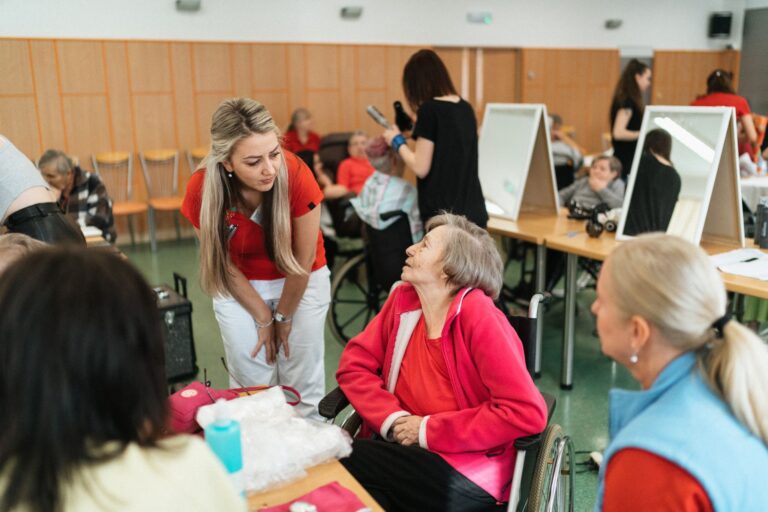
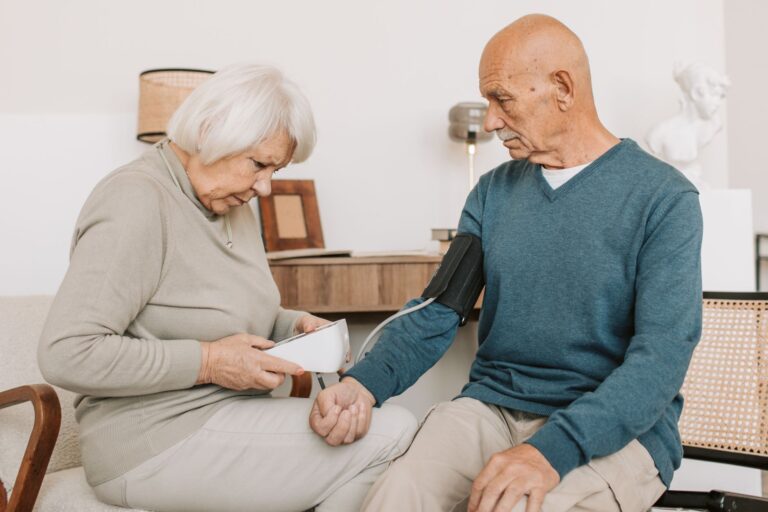
Church dementia ministry refers to organized programs and support services designed by faith communities to serve people with dementia and their caregivers. These ministries combine spiritual care, practical assistance, and emotional support, recognizing that dementia affects not just the person diagnosed but entire families and social networks.
Many churches have formalized dementia ministries because congregation members increasingly face this disease—one in nine Americans over 65 has Alzheimer’s or another dementia, making it a pastoral issue as much as a medical one. The scope of church dementia work ranges from simple adaptations (quieter services, volunteer visitor programs) to comprehensive offerings (respite care, caregiver support groups, memory loss workshops, and specialized worship services). For example, a typical church dementia ministry might operate a monthly “Minds & Spirits” support group for family caregivers on Tuesday evenings, train volunteers to recognize when a congregant with early cognitive decline needs assistance, and provide trained “dementia friends” who attend worship with isolated members who live alone.
Table of Contents
- Why Do Churches Implement Dementia Ministry Programs?
- How Are Church Dementia Programs Structured and What Are Their Limits?
- What Spiritual and Emotional Support Do Church Dementia Programs Provide?
- What Practical Care and Respite Services Do Churches Offer?
- What Are the Most Common Challenges Church Dementia Ministries Face?
- What Training and Resources Support Church Dementia Ministry?
- What Does Church Dementia Ministry Look Like in Practice?
Why Do Churches Implement Dementia Ministry Programs?
Churches undertake dementia ministry work because they recognize older adults and people with chronic illness as core parts of their congregation, not peripheral groups. As congregations age and members live longer with conditions like Alzheimer’s disease, churches face a practical and theological choice: adapt pastoral care to meet these new needs or watch members drift away as their disease progresses and they become isolated. Most denominations—Catholic, Protestant, Jewish, and others—have released guidance on dementia care as a spiritual responsibility. The financial incentive to formalize these programs is also clear.
Dementia caregiving is the leading reason adults leave the workforce or reduce hours; unpaid family caregivers provide care worth an estimated $272 billion annually to the U.S. economy. When a church helps stabilize a caregiver’s life through respite care or emotional support, it keeps that person engaged in faith community and work. Additionally, many churches have discovered that dementia ministry attracts younger family members and professionals (social workers, nurses, gerontologists) who are drawn to congregations doing this work well.
How Are Church Dementia Programs Structured and What Are Their Limits?
Church dementia ministries typically operate through three channels: pastoral staff (clergy and chaplains), trained volunteer teams, and partnerships with local healthcare or social service providers. A small church might assign one staff member to coordinate outreach; a larger church might employ a full-time dementia ministry director and maintain a team of 15–20 trained volunteers. Common components include memory care worship services (services designed for people with mid-to-late-stage dementia, often with shorter duration, repetition, music, and sensory elements), caregiver support groups, in-home visits, adult day programs, and grief counseling for those who have lost someone to dementia. However, church dementia ministries have significant limits.
Few churches have medical expertise, so they cannot diagnose, prescribe treatment, or provide nursing care—a critical gap for people in advanced dementia who have complex medical needs. Volunteer-staffed programs also depend on retention; when trained volunteers move, burn out, or become ill themselves, program quality often declines. A church respite care program that relies on three key volunteers will collapse if two of them leave in the same year, as happened at a Methodist congregation in Ohio that had to suspend its Friday evening respite program for six months during staff transitions. Additionally, most church programs operate during business or early evening hours, leaving nights and weekends uncovered—when many dementia crises and behavioral changes actually occur.
What Spiritual and Emotional Support Do Church Dementia Programs Provide?
People with dementia often retain faith and spiritual identity longer than other cognitive functions; many can recite prayers or hymns from childhood even after losing recent memories. Church dementia ministries leverage this by offering spiritual experiences tailored to the disease stage. In early-stage dementia, people may attend regular services and participate in Bible study adapted for slower processing. In mid-stage, specialized worship services use familiar hymns, responsive readings, and shorter messages. In late-stage, one-on-one pastoral visits, anointing or communion at the person’s home or care facility, and presence-based spiritual care (sitting together quietly, holding hands, gentle prayer) become the primary offering.
The emotional support extends to families. A caregiver managing a spouse with Alzheimer’s often experiences profound isolation—unable to attend social events because finding respite is difficult, exhausted from 24/7 care demands, and grieving the loss of the person they knew while that person is still physically present. Church support groups allow caregivers to name these experiences without judgment. A wife caring for her husband of 50 years described her church’s monthly caregiver support group as the only place she could say, “I’m angry at him sometimes” and have other caregivers nod in understanding rather than offering platitudes. Churches also provide rituals for grief that secular settings do not—memorial services that honor both the person who died and the long goodbye their family experienced.
What Practical Care and Respite Services Do Churches Offer?
Many churches provide respite care—short-term relief for family caregivers so they can rest, run errands, or simply have time away. This might be an afternoon program where trained volunteers stay with the person with dementia while a caregiver attends a doctor’s appointment, or an overnight program (rarer) where a person stays at a church facility while the family takes a weekend break. Some churches have created dementia-friendly adult day programs, offering activities, lunch, and socialization while caregivers work. A United Church of Christ in Massachusetts runs a weekday morning program called “Memory Bridges” that serves 12–15 people with mild-to-moderate dementia, offering art activities, singing, exercises, and snacks in a building modified for safety (wider hallways, clear signage, secured exits).
Churches also provide practical support like volunteer meal trains for newly diagnosed families, transportation assistance for medical appointments, home modifications advice, and financial resource navigation. However, there are tradeoffs. A church respite program of 8 hours per month costs relatively little in staff time but provides minimal relief—not enough for a caregiver to take a true vacation or return to work. Expanding to full-time adult day care requires licensing, insurance, and staff costs that stretch most church budgets. A Presbyterian church in suburban Chicago offered respite care for seven years but discontinued it after insurance and liability costs rose 40% and they could no longer recruit enough trained volunteers to meet demand.
What Are the Most Common Challenges Church Dementia Ministries Face?
Churches often underestimate the demands of dementia care work. Volunteer burnout is extremely common; supporting someone with advanced dementia—including managing incontinence, behavioral changes, repetitive questioning, and emotional distress—is emotionally taxing and requires training most volunteers don’t initially have. Additionally, many church facilities are not dementia-friendly. Old sanctuaries have poor lighting, acoustics that make hearing difficult, narrow pews that are hard to exit quickly, and bathrooms without handrails or clear signage. Adapting buildings is expensive and sometimes theologically contentious within congregations.
A major limitation is liability. If a volunteer accompanies a person with dementia to an outing and that person wanders and gets lost, or is injured, the church may face legal action. This fear leads some churches to over-restrict their programs or avoid hands-on care entirely. There is also the fundamental challenge of knowing when to refer someone to professional care. A church volunteer is not trained to recognize when a person’s needs exceed what a faith community can safely provide—early warning signs that someone should move to an assisted living facility, for example—and making this conversation with families is emotionally difficult and requires expertise. A volunteer might miss signs of abuse, self-neglect, or unmanaged medical conditions because she visits only monthly.
What Training and Resources Support Church Dementia Ministry?
Denominations, seminaries, and nonprofit organizations have developed substantial training resources for churches. The Dementia Friendly Faith Communities initiative, supported by the AARP and major religious organizations, offers online curricula and in-person training workshops for churches of all sizes. The Alzheimer’s Association provides free church-specific training materials, guest speaker programs, and technical assistance.
Many seminaries now include dementia care in pastoral care curricula, and some denominations have created certification programs for dementia ministry specialists. Training typically covers dementia basics (what happens in the brain, disease progression, how the person experiences their own decline), communication techniques (validation, gentle redirection, avoiding correction or argument), and self-care for caregivers and volunteers. Some training includes de-escalation skills for behavioral symptoms and guidance on spiritual care at end-of-life. However, access to training varies sharply by region and denomination; a rural congregation may have no local workshops available and must rely on online materials, while churches in urban areas often have multiple offerings.
What Does Church Dementia Ministry Look Like in Practice?
A concrete example: St. Anne’s Episcopal Church in Portland, Oregon, began its dementia ministry in 2015 after a vestry member’s mother joined the congregation with advanced dementia and found the regular Sunday service overwhelming. The church now offers a monthly “Wisdom Circle” service at 10:30 a.m., designed specifically for people with memory loss and their care partners. The service lasts 25 minutes. It includes a familiar hymn (always the same one, “Amazing Grace”), a short Bible reading that repeats each month, lighting of candles (a sensory focal point), and gentle guided meditation. Afterward, everyone shares simple refreshments.
About 18–22 people attend; about half have a dementia diagnosis, and half are family members or volunteers. St. Anne’s also coordinates a caregiver support group that meets the first Thursday of each month in the church library, run by two trained volunteers and a part-time staff member (0.25 FTE). The group averages 8–12 attendees and has been running continuously for eight years. The church trained seven volunteers in dementia-friendly visiting skills; they make monthly home visits to five congregation members living with dementia who are homebound. The church facility includes one bathroom adapted with grab bars and clear signage; the sanctuary has hearing loop technology; and the children’s library was modified to be a calm, safe space where a person with dementia can rest during services. This entire operation costs approximately $18,000 annually (staff time, supplies, facility modifications) funded through a dedicated line in the church budget and a small annual grant from the local Alzheimer’s Association chapter.