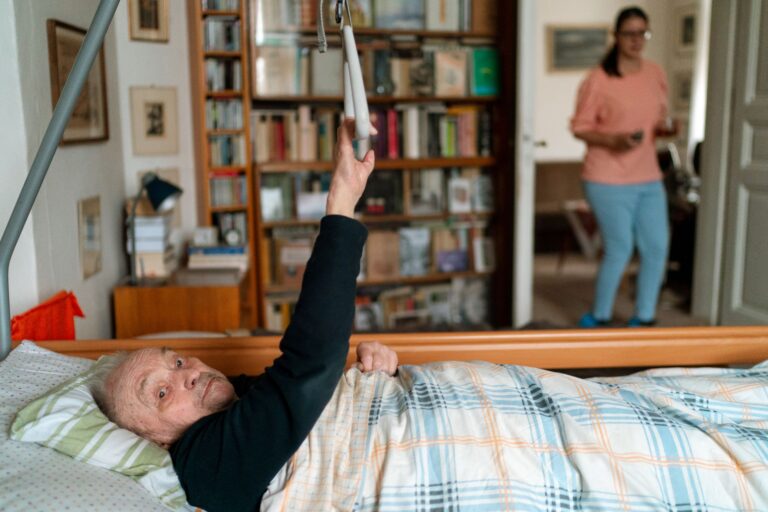
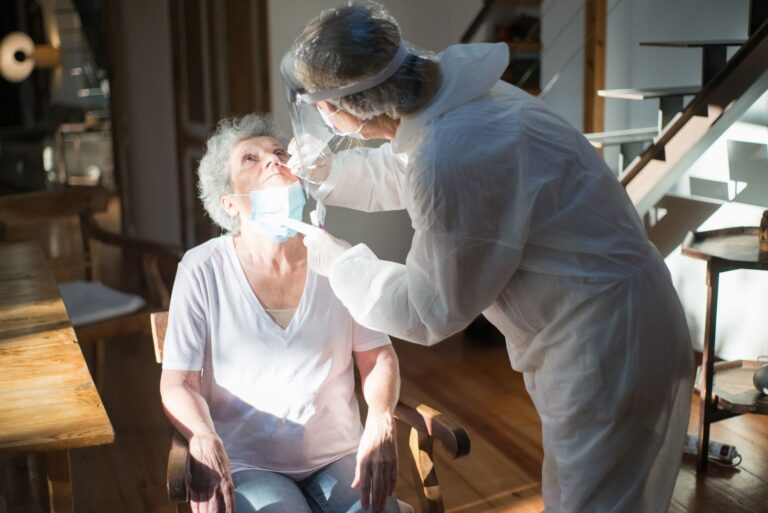
Yes, better hospital protocols can significantly protect Alzheimer’s patients during medical care, but only if hospitals implement systematic changes that address the unique vulnerabilities of people with cognitive decline. Alzheimer’s patients are at higher risk for delirium, medication errors, falls, and complications from routine procedures because standard hospital protocols often fail to account for their cognitive and behavioral needs. A patient with advanced Alzheimer’s cannot reliably report pain, remember their medication list, or follow post-operative instructions—gaps that well-designed protocols can address through caregiver involvement, environmental modifications, and specialized care workflows.
The challenge is that most hospitals were not designed with Alzheimer’s patients in mind. The beeping monitors, fluorescent lighting, unfamiliar staff, and rapid pace of a standard hospital ward can trigger extreme agitation and fear in someone with dementia, leading to physical restraints, sedation, or premature discharge. Case example: a 78-year-old woman with moderate Alzheimer’s admitted for a urinary tract infection experienced such severe confusion and aggression during her hospital stay that her family had to hire a private duty aide to keep her safe—a cost and intervention that better protocols could have prevented through environmental design and consistent staffing.
Table of Contents
- Why Alzheimer’s Patients Face Unique Hospital Risks
- Delirium, Falls, and the Cascade of Hospital-Acquired Complications
- The Role of Caregiver Presence and Engagement
- Medication Management Protocols Specific to Alzheimer’s Patients
- Behavioral Crises, Restraints, and De-escalation Training
- Environmental Design and Sensory Modifications
- Communication Protocols Between Hospital and Primary Care Providers
- Frequently Asked Questions
Why Alzheimer’s Patients Face Unique Hospital Risks
People with Alzheimer’s disease encounter hospital settings with cognitive and sensory deficits that standard care workflows ignore. Memory loss means they cannot track their location, the reason for their admission, or why staff are performing procedures on them. This repeated disorientation triggers fear and defensive behavior, which staff often manage with chemical or physical restraints rather than understanding the underlying cause. Additionally, Alzheimer’s patients lose the ability to communicate pain, nausea, or discomfort—so a high fever or surgical wound infection may go undetected until the condition worsens significantly.
Medication management becomes another critical vulnerability. A typical hospital discharge involves a list of new prescriptions and instructions that a person with Alzheimer’s cannot remember or follow. Without a protocol that ensures the caregiver receives written instructions, demonstrates understanding, and receives follow-up support, the patient leaves at high risk for medication errors and readmission. One limitation is that even excellent hospital protocols cannot fully compensate for inadequate post-discharge support at home; the hospital can educate the caregiver, but if that caregiver is untrained, exhausted, or lacks access to pharmacist support, the benefits of the protocol erode quickly.
Delirium, Falls, and the Cascade of Hospital-Acquired Complications
Delirium—acute confusion and disorientation—is extraordinarily common in hospitalized Alzheimer’s patients and is often misidentified as disease progression rather than a medical emergency. A patient with baseline moderate cognitive decline may suddenly become unable to recognize family members, refuse food, or attempt to get out of bed, and nurses may assume this is “just the Alzheimer’s worsening” rather than a sign of infection, hypoxia, medication toxicity, or pain. Delirium in this population predicts longer hospital stays, greater disability after discharge, and higher mortality risk within months. Falls are another cascade risk.
Alzheimer’s patients already have balance and gait problems from their disease; add a hospital bed with unfamiliar rails, nighttime confusion, pain or weakness from their acute illness, and the risk of falling increases dramatically. A single fall in an elderly person with cognitive decline can trigger a cascade: hip fracture, surgery, immobility, pneumonia, sepsis, and death. Hospitals with protocols that reduce fall risk—such as low-profile beds, consistent orientation reminders, and sitter support for high-risk patients—have measurably fewer falls and better outcomes. The warning is that effective fall prevention requires sustained staffing commitment; a protocol written on paper but implemented by understaffed units offers false security.
The Role of Caregiver Presence and Engagement
The single most protective factor for Alzheimer’s patients in hospitals is the sustained presence of a trained caregiver—not as a substitute for professional care, but as a bridge between the patient’s cognitive reality and the hospital system. A family member or familiar aide who stays with the patient can recognize when their loved one is in distress, prevent dangerous wandering, remind the patient of where they are and why, and communicate needs that the patient cannot articulate. Hospitals with protocols that encourage and facilitate caregiver presence have lower rates of restraint use, fewer medication errors, and better medication adherence after discharge.
This requires structural change: hospitals need private or semi-private rooms to give caregivers a place to rest, flexible visiting hours, and staff training on how to work alongside family members rather than viewing them as obstacles. A hospital in California implemented a protocol called “Alzheimer’s Caregiver Partnership” where family members attend bedside rounds, receive daily care instructions, and are trained to recognize delirium signs; patients in this program had 40% fewer falls and 30% fewer behavioral crises compared to standard care. The limitation is that not all patients have available caregivers, and not all caregivers can afford to stay at the hospital or leave work; protocols must account for patients without this resource by using sitters or trained volunteers.
Medication Management Protocols Specific to Alzheimer’s Patients
A protocol designed for Alzheimer’s patients must treat medication reconciliation and discharge instructions as a critical safety intervention, not a box-checking task. This means the hospital pharmacist should have a dedicated conversation with the patient’s caregiver before discharge, showing the medications in their actual containers, explaining each one’s purpose and timing, reviewing potential side effects, and having the caregiver demonstrate understanding by explaining back what they heard. Written instructions should be simple, use large font, include pictures of the medications, and be printed in the caregiver’s language.
Comparison: Standard medication discharge instructions are often dense paragraphs of text; Alzheimer’s-adapted instructions use bullet points, icons, and a visual schedule tied to daily routines (take with breakfast, before bed, with dinner). Hospitals that use color-coded medication organizers and provide telephone follow-up at 48 hours and one week see 50% fewer medication errors and readmissions compared to standard discharge. The trade-off is that this requires more pharmacist time and follow-up resources, which increases cost per discharge—but preventing one readmission often saves more than this investment costs.
Behavioral Crises, Restraints, and De-escalation Training
Behavioral crises during hospitalization—aggression, combativeness, screaming, or refusal to accept care—are common in Alzheimer’s patients and are typically a symptom of delirium, pain, fear, or overstimulation rather than willful behavior. Hospitals without specialized protocols often respond to behavioral crises with chemical sedation or physical restraints, which increase risk of falls, aspiration, complications, and accelerate cognitive decline. A hospital protocol must include de-escalation training for all staff: recognizing triggers (loud noise, rushed care, unfamiliar faces), using a calm tone, simplifying instructions, and addressing underlying causes rather than suppressing the behavior chemically.
A warning: restraints and sedation, even when used with the best intentions, can cause serious harm. A patient restrained to a bed or sedated heavily enough to be compliant cannot communicate pain, cannot move to prevent bedsores, and has a higher risk of pneumonia and blood clots. Some hospitals have eliminated physical restraints altogether by investing in sitter support and environmental modifications; these hospitals report that behavioral crises actually decrease once staff learn to anticipate and prevent escalation. However, this requires cultural change and staff training that many hospitals cannot sustain under budget pressure, so the protocol remains theoretical in practice.
Environmental Design and Sensory Modifications
Hospital rooms designed for typical patients—bright fluorescent overhead lights, beeping monitors, constant interruptions, bland walls, no windows—are sensory torture for someone with Alzheimer’s. A protocol should include environmental modifications: soft lighting that can be dimmed, placing the patient near a window when possible, reducing monitor alarm volume, using familiar objects from home (photos, a favorite blanket), and maintaining a consistent daily routine.
Some hospitals with dedicated dementia units use subtle wayfinding cues (colored tape on the floor, familiar artwork) to reduce wandering and confusion. Research from dementia care units shows that simple environmental changes reduce behavioral incidents by 20-30% and reduce medication use for agitation. The example is a hospital in Connecticut that converted a standard medical-surgical floor to a dementia-sensitive unit with softer lighting, activity boards, and a secured outdoor garden area; patients on this unit had shorter lengths of stay and were more likely to be discharged to home rather than to nursing facilities.
Communication Protocols Between Hospital and Primary Care Providers
A critical gap in many hospitals is the failure to communicate effectively with the Alzheimer’s patient’s primary care physician and neurologist after discharge. The hospital discharge summary is often generic and delayed, arriving weeks after the patient is home. A protocol should require a warm handoff: a phone call from the hospital to the outpatient physician summarizing the hospitalization, new diagnoses, new medications, and any changes in functional status.
The outpatient physician then follows up with the patient and caregiver within one week to address medication side effects, confirm understanding of discharge instructions, and catch early complications. Hospitals that implement structured handoff protocols—with templates that ensure all critical information is communicated—have lower 30-day readmission rates in their Alzheimer’s patients. A specific example: one hospital system created a standardized phone call format where the hospital discharge planner discusses the hospitalization with the primary care practice nurse before the patient even leaves the building, allowing questions to be answered immediately and clarifications to be made in real time.
Frequently Asked Questions
Should a family member always stay at the hospital with an Alzheimer’s patient?
Continuous caregiver presence is highly protective but not always possible or necessary. The key is that the caregiver visits during critical times (morning rounds, medication reviews, discharge planning) and stays overnight if the patient is having behavioral crises or is at high fall risk. Hospitals with sitter or volunteer support can provide some of these benefits without requiring family to stay 24/7.
How do I know if my loved one is experiencing delirium versus normal Alzheimer’s decline?
Delirium develops rapidly—over hours or a day—and includes hallucinations, severe agitation, or withdrawal. Normal Alzheimer’s progression is gradual. In a hospital, sudden worsening usually signals delirium from infection, medication, pain, or other causes and requires immediate medical investigation, not acceptance.
What should I ask the hospital before my loved one is discharged?
Ask for a written medication list with pictures, ask to see the actual medications, request a written summary of why your loved one was hospitalized and what changed, and ask for a phone call to your loved one’s primary care doctor before discharge.
Are restraints ever necessary for Alzheimer’s patients in the hospital?
Restraints may be briefly necessary to protect a patient during a medical emergency, but prolonged restraint is harmful and should be a signal to investigate the underlying cause of agitation (pain, infection, medication side effect) rather than a solution. De-escalation and environmental changes should be tried first.
What happens if my loved one is discharged before I feel they’re ready?
Ask the hospital for a care planning meeting with the discharge team, your loved one’s physician, and yourself. Discuss what specific concerns you have (medication management, mobility, wound care) and ask what support services the hospital can arrange (home health nurse, physical therapy, caregiver training) to bridge the gap.
Can hospital protocols prevent all complications in Alzheimer’s patients?
No. Protocols reduce risk but cannot eliminate it. An Alzheimer’s patient with a serious infection or complex medical condition remains medically fragile, regardless of nursing care. The goal is to prevent harm from the hospital experience itself (delirium, falls, medication errors) so that the patient has the best chance of recovering from their actual medical problem.