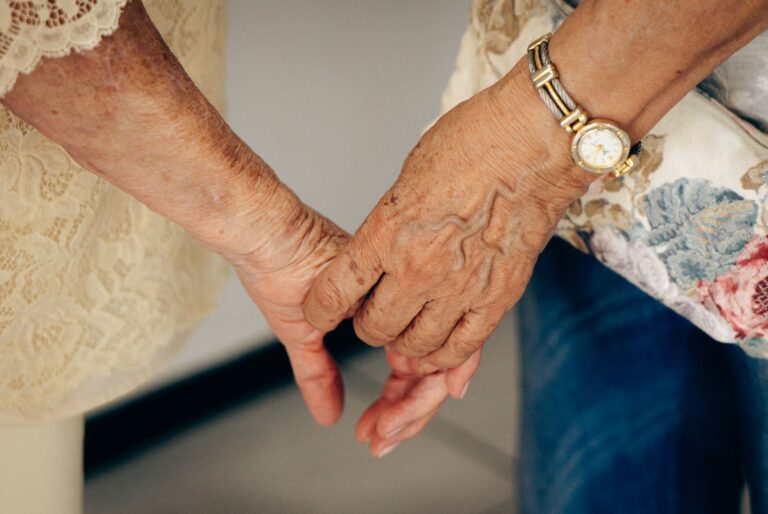
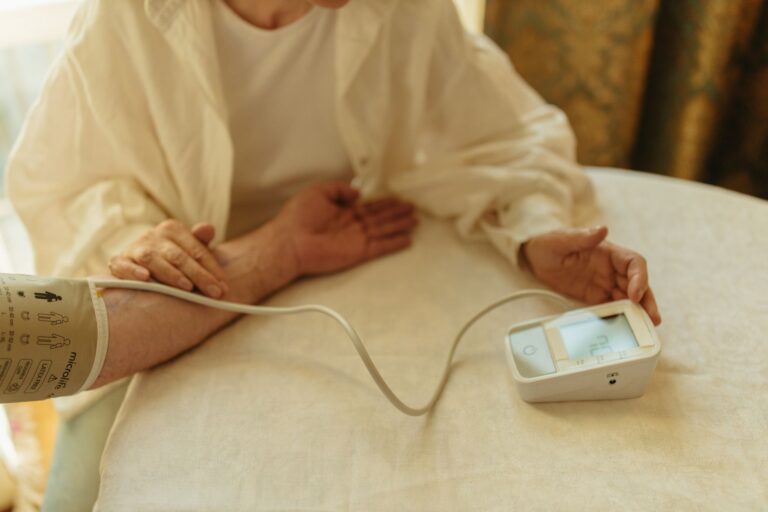
Yes, smell, touch, and sound can improve dementia comfort, but not universally and not without attention to individual preferences. People with dementia often lose cognitive abilities while retaining emotional and sensory responses, making sensory input a direct pathway to their comfort. A person with advanced Alzheimer’s who cannot hold a conversation may become noticeably calmer when their hand is held, when lavender scent fills the room, or when familiar music plays. This happens because sensory experiences bypass the cognitive damage of dementia and reach the limbic system—the emotional center of the brain.
While verbal reminders or reasoning don’t work with someone who has lost short-term memory, a particular smell or texture can trigger positive associations and reduce the agitation, anxiety, and confusion that often accompany cognitive decline. The research supporting sensory therapies in dementia is growing, though the effects are modest and highly individual. Understanding which sensory tools work for a specific person requires observation, trial, and flexibility. What soothes one person may irritate another. A caregiver’s role becomes detective work: testing scents, monitoring responses to touch, and learning which sounds (or silence) settles a particular individual.
Table of Contents
- How Does Smell Shape Emotional Response in Dementia?
- The Neurobiology of Sensory Intervention in Cognitive Decline
- Touch, Physical Connection, and Nervous System Regulation
- Designing Sensory Experiences That Work in Practice
- When Sensory Therapies Fail or Cause Distress
- Music and Familiar Sounds in Dementia Care
- Building a Safe, Individualized Sensory Approach at Home or in Care Settings
How Does Smell Shape Emotional Response in Dementia?
The olfactory bulb—the brain’s smell center—has direct connections to the amygdala and hippocampus, the brain’s emotional and memory hubs. This is why smell often remains powerful even when someone cannot remember their own name. Lavender, for example, has been studied multiple times in dementia units, and many (though not all) residents show reduced agitation when exposed to it. Vanilla, lemon balm, and rosemary have similarly calming or stimulating effects in some individuals. A geriatric care unit in the Netherlands implemented a scent program where residents with moderate dementia received lavender aromatherapy during evening hours.
About half showed reduced restlessness at night; the other half noticed no change. This illustrates a key limitation: sensory therapies work inconsistently. A person may respond beautifully to an aroma for weeks, then lose interest or become bothered by it. Scent tolerance can fade, requiring rotation and adjustment. Also, not all aromatherapy oils are safe for everyone—some may trigger seizures in susceptible individuals or interact with medications.
The Neurobiology of Sensory Intervention in Cognitive Decline
When dementia damages the cortex—the thinking brain—the sensory pathways and emotional centers often remain functional longer. This creates a therapeutic window: sensory input can communicate comfort when words cannot. Neuroimaging studies show that people with dementia still activate emotional brain regions when hearing music or experiencing pleasant textures, even when they cannot consciously remember where they are. However, sensory overload is a real risk.
A person with dementia may become overwhelmed by too many competing stimuli—loud music plus strong scent plus being touched simultaneously—leading to agitation rather than calm. The challenge for caregivers is finding the right dose and combination. Some dementia units make the mistake of implementing sensory programming uniformly across all residents, assuming that if lavender or soft music helps one person, it will help everyone. This often backfires, creating a chaotic sensory environment that distresses many residents. Personalization is non-negotiable; one person’s comfort is another person’s nightmare.
Touch, Physical Connection, and Nervous System Regulation
Hand-holding, gentle massage, or simply sitting close to a person with dementia can activate the parasympathetic nervous system—the body’s calming mechanism. Touch communicates safety and presence without requiring cognitive processing. Studies in dementia care facilities show that residents receiving regular hand massage or hand-holding sessions often display lower cortisol levels (a stress marker) and less aggressive behavior than those without this contact. A common implementation is “hand therapy” during meals or transitions, where a caregiver holds the person’s hand while speaking gently or singing softly.
The combination of touch, voice, and presence often settles someone who is agitated or frightened. However, some individuals with dementia develop tactile sensitivity or aversion—they may perceive touch as threatening, especially if they are startled or in pain. A person with a history of physical trauma may have an extreme reaction to being touched without warning. Caregivers must always watch for signs of distress and respect withdrawal.
Designing Sensory Experiences That Work in Practice
Implementing sensory comfort requires starting small and observing. Rather than assuming a scent will work, a caregiver might introduce one aroma once or twice weekly, noting the person’s mood, sleep, and behavior before and after. This observation period often reveals patterns—perhaps the person is calmer with lavender on Tuesday evenings but unresponsive on Saturday mornings. Maybe they accept hand-holding after lunch but resist it first thing in the morning.
Real-world practice often differs from research settings. A dementia care unit might have budget for a diffuser but not for trained massage therapists, so hand-holding becomes the primary tactile intervention. Music therapy requires either a trained therapist or carefully selected playlists from the person’s earlier years; generic “dementia-friendly music” played from a speaker provides less benefit than personalized songs. The tradeoff is between ideal interventions (live music, professional therapists, custom scent blends) and practical options (recorded music, trained caregivers, simple essential oils). Most facilities operate closer to the practical end and see modest but real improvements.
When Sensory Therapies Fail or Cause Distress
Some individuals with dementia show no response to sensory interventions, and for a few, certain sensations cause harm. A person with hypersensitivity to sound due to their specific type of dementia may find music agitating rather than soothing. Someone with a background of abuse might interpret certain types of touch as threatening, regardless of the caregiver’s intent. Allergic or asthmatic individuals can suffer real physical harm from essential oil diffusion.
There is also a risk of over-reliance on sensory tools as a substitute for other essential care. Aromatherapy and music are not replacements for adequate pain management, proper nutrition, sleep, or addressing medical causes of agitation. A person with dementia who is becoming aggressive might be in pain from an undetected urinary tract infection or fractured rib—no amount of lavender will help until the underlying problem is treated. Caregivers sometimes find sensory interventions easier to implement than investigating root causes, and this can delay proper care.
Music and Familiar Sounds in Dementia Care
Music from a person’s youth or significant life period often remains accessible even in advanced dementia. Someone who cannot speak may hum along to a song from their twenties. Hearing a familiar voice—a recorded message from an adult child—can sometimes orient a confused person or reduce anxiety.
Some dementia units play background music that matches a resident’s era, cultural background, or known preferences, creating an auditory environment that feels less foreign. A study in a Japanese dementia ward found that residents with moderate to advanced dementia showed measurably lower anxiety when songs in Japanese from their generation played softly during transitions (like moving from morning care to meals). Residents’ blood pressure and heart rate decreased, and they required fewer behavioral medications. This suggests that sound—specifically meaningful sound—bypasses some cognitive deficits and reaches emotional centers intact.
Building a Safe, Individualized Sensory Approach at Home or in Care Settings
Dementia care homes and family caregivers increasingly create “sensory profiles” for individuals: documenting which smells, touches, sounds, and even tastes seem to calm or agitate them. This profile is updated as the person’s preferences or sensitivities change. One person’s profile might read: “Prefers gentle hand massage on wrists and forearms after lunch; becomes upset if touched suddenly; responds well to light piano music, not vocals; tolerates lavender but strongly dislikes citrus scents.” The most effective sensory programs combine observation with flexibility.
A caregiver learns through trial that their father with dementia becomes calmer when his favorite folk songs play during evening, when his hands are gently held while sitting outside, and when the air carries no strong scent. That same caregiver also learns that three competing sensations at once overwhelm him, that he does not like being touched on the shoulders, and that his mood improves when sensory activities happen at predictable times rather than randomly. This individualized knowledge, built over weeks and months, becomes more valuable than any protocol or study.