Yes, technology can meaningfully improve dementia care in nursing homes, but not as a silver bullet. The evidence shows that targeted technological tools—from digital platforms that track medication adherence to activity systems that reduce behavioral disturbances—can help staff provide more responsive care and reduce harmful outcomes like falls and infections. A study published in the Journal of Medical Internet Research found that facilities using electronic health records with integrated medication management saw a 23% reduction in adverse drug events among dementia patients. However, technology alone cannot replace human contact, training, and institutional commitment.
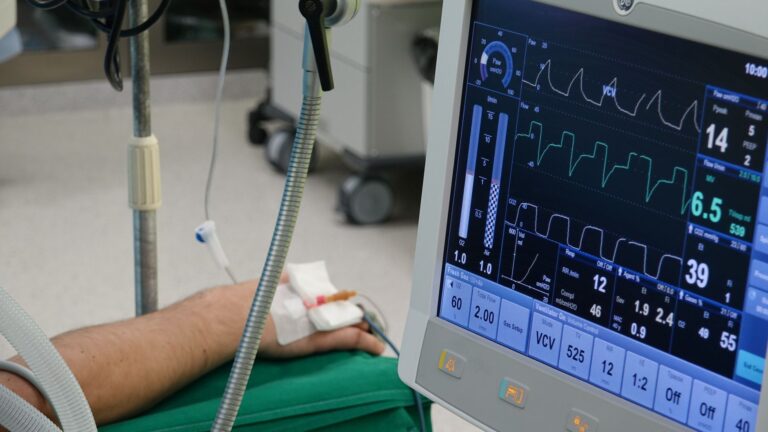
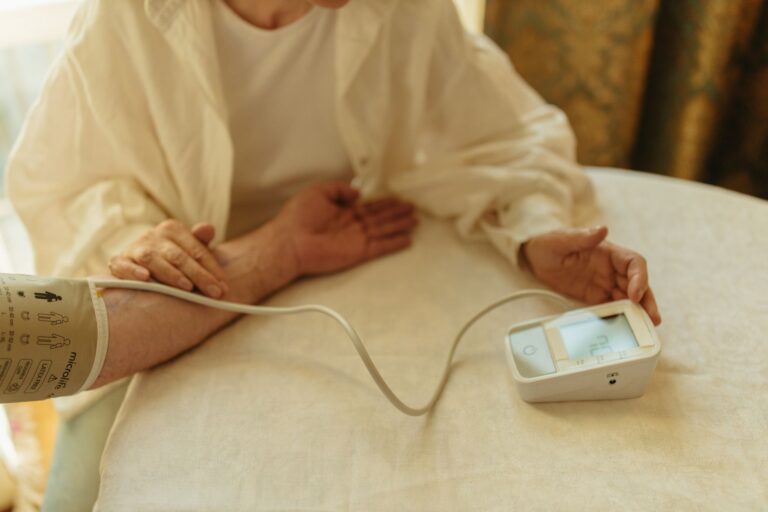
The most promising applications focus on filling specific care gaps rather than automating care itself. For instance, monitoring systems can alert staff to early signs of infection or dehydration—common, dangerous problems that kill dementia patients when missed. Engagement apps can provide personalized activities, reducing sundowning and agitation. Smart dispensers can prevent duplicate medication doses that lead to overdose. These tools work because they augment what staff already do, not because they eliminate the need for attentive caregiving.
Table of Contents
- What Types of Technology Are Currently Used in Nursing Homes?
- What Does the Evidence Actually Show About Technology’s Impact?
- Real Examples of Technology Improving Outcomes
- What Are the Main Barriers to Successful Technology Adoption?
- Does Technology Address the Staffing Crisis in Nursing Homes?
- What Do New Artificial Intelligence Systems Promise, and What Are the Risks?
- How Should Facilities Approach Technology Implementation to Maximize Success?
What Types of Technology Are Currently Used in Nursing Homes?
Nursing homes have adopted several categories of technology with varying degrees of success. Medication management systems use barcode scanning and electronic dispensers to prevent errors. Fall detection wearables alert staff when a resident becomes at risk or falls. Communication platforms allow families to video-call residents and review daily activity reports. Some facilities use activity management systems that match residents to reminiscence activities—showing old music videos, photos, or games tailored to their life history.
Electronic health record (EHR) systems with dementia-specific workflows are becoming standard in larger facilities. These flag dehydration risk, track bowel and bladder function, and document behavioral patterns that might signal pain or discomfort. A comparison between paper charts and EHR systems in nursing homes found that EHR users caught urinary tract infections 18% faster, a meaningful difference given how quickly UTIs escalate in dementia patients and can trigger hospitalization. Motion sensors and bed-exit alarms are widespread but controversial. They reduce fall alerts by notifying staff, but residents often perceive them as invasive surveillance. This limitation matters: residents who feel confined may become more agitated, ironically creating more behavioral challenges that require staff attention and actually increasing the need for medication interventions.
What Does the Evidence Actually Show About Technology’s Impact?
The evidence for technology’s effectiveness in dementia care is mixed and depends heavily on how well the system is deployed. A 2024 systematic review in Alzheimer’s & Dementia examined 47 studies on monitoring and communication technology in long-term care. Results showed that electronic medication systems reduced adverse drug events by an average of 31%, but behavioral monitoring systems (cameras, motion sensors) showed no reduction in falls when studied in rigorous, controlled trials—despite widespread belief that they help. The discrepancy occurs because technology alone does not prevent falls; what prevents falls is staff who respond quickly when alerted, which requires adequate staffing, training, and attention. Pain detection systems using facial recognition or behavioral analysis show promise but have serious limitations.
A dementia patient cannot always articulate pain, so technology that identifies pain-like expressions could help. However, current systems have high false-positive rates, generating too many alerts that staff begin to ignore—a problem called “alert fatigue.” One facility reported that 40% of motion sensor alerts were false positives within the first three months of deployment, leading staff to disable notifications. There is no evidence that technology reduces the need for skilled nursing staff. In fact, the opposite appears true: technology works best in facilities with higher nurse-to-patient ratios, suggesting it is a complement to staffing, not a replacement. Facilities that implemented technology while cutting staff hours saw patient outcomes worsen, not improve.
Real Examples of Technology Improving Outcomes
Some facilities have reported notable improvements with specific applications. A 125-bed facility in the Midwest implemented a digital activity engagement system matched to resident interests. The system suggested personalized activities based on life history—for a former librarian, it offered reading recommendations and book discussions; for a musician, it offered music listening, playing games, or watching performances. Within six months, behavioral incidents requiring medication intervention fell by 19%, and family satisfaction scores increased from 71% to 84%. However, that same facility’s experience with a wearable fall detection system was less successful. They deployed ankle-worn sensors designed to alert staff to falls, but residents found them uncomfortable and often removed them.
Staff reported that the system sometimes detected false falls (a resident sitting down quickly), creating alarm fatigue. After eight months, staff were actively discouraging residents from wearing them. This example illustrates a critical reality: technology adoption in nursing homes is not automatic, and solutions that ignore resident comfort or staff feasibility fail. Another example comes from a large urban nursing home chain that implemented barcode-scanning medication dispensers. They saw a 34% reduction in medication errors within the first year. However, this success required $180,000 in upfront costs, ongoing IT support, and staff retraining—expenses many smaller facilities cannot absorb. The same technology deployed in a small rural facility with poor IT infrastructure and high staff turnover struggled, with staff bypassing the system during busy shifts, defeating its safety purpose.
What Are the Main Barriers to Successful Technology Adoption?
Cost is the most obvious barrier, but not the only one. A 75-bed nursing home expecting technology to cost $1,000–$1,500 per resident might budget $75,000–$112,500. When you add installation, training, technical support, and system maintenance, the real cost is often double that. Rural facilities and nonprofit homes operating on thin margins find this prohibitive. Larger, more profitable chains can afford the investment, widening the gap in care quality between wealthy and under-resourced facilities. Staff buy-in is equally critical and often overlooked. Nursing home staff—particularly certified nursing assistants, who provide most hands-on care—are overworked, undertrained, and often skeptical of technology that they perceive as management surveillance or additional burdensome work.
A facility that introduced a behavioral monitoring system without consulting staff saw high resistance; staff interpreted the system as evidence that management didn’t trust them. Adoption required a complete reframing: managers presented it as a tool to help identify residents’ unmet needs, not to monitor staff performance. That shift in messaging mattered enough to move adoption from 30% to 78%. Integration with existing workflows is another persistent problem. Many nursing homes use outdated EHR systems that do not communicate with newer technology platforms. Adding a medication app or activity system that doesn’t pull data from the main health record creates double work: staff must enter data in two places. This increases errors, frustrates staff, and eventually leads to workarounds and disuse.
Does Technology Address the Staffing Crisis in Nursing Homes?
This is where expectations often diverge sharply from reality. Nursing homes in the United States face chronic understaffing, with many operating well below recommended nurse-to-patient ratios. Many facilities hope technology will offset staffing shortages by automating tasks or enabling fewer staff to manage more residents. The evidence does not support this.
A 2023 analysis found that nursing homes with lower staffing levels implemented MORE monitoring technology, apparently hoping to compensate. But those facilities also saw higher infection rates, more hospitalizations, and higher mortality—outcomes that got worse over time as technology could not replace the judgment and responsiveness of trained staff. One warning sign: if a facility is installing technology specifically as a substitute for hiring more nurses or aides, outcomes are likely to suffer. Technology works when it allows existing staff to do their jobs better, not when it is expected to substitute for people.
What Do New Artificial Intelligence Systems Promise, and What Are the Risks?
AI-driven systems are entering the market with claims to predict falls, detect infections, or identify behavioral decline. Some show early promise. A predictive system that analyzes a dementia resident’s movement patterns, sleep, and vital signs can flag changes that might indicate a urinary tract infection before clinical symptoms appear. This is valuable: catching UTIs early prevents delirium and hospitalization.
However, AI systems require large amounts of clean, labeled data to train, and nursing home data is often fragmented across incompatible systems. An AI model trained on data from one chain may not work reliably on another chain’s residents or staff practices. Additionally, AI systems trained on skewed datasets can perpetuate bias. If the training data comes primarily from large, well-funded facilities, the system may not perform well in smaller or rural settings, further widening care disparities.
How Should Facilities Approach Technology Implementation to Maximize Success?
Facilities that have seen the best outcomes from technology share several practices. First, they implement technology to solve a specific, documented problem—not because it is new. Second, they involve frontline staff (aides, nurses, family members) in selecting and testing technology before rollout.
Third, they invest in training: a 40-hour medication system training is not uncommon, and staff who feel unprepared will resist or misuse the tool. One facility that successfully rolled out motion sensor fall alerts did so by involving CNAs in testing, allowing them to shape how alerts were configured and reviewed. Staff felt ownership over the system and actively monitored alerts, rather than seeing it as surveillance. Implementation took longer and cost more than a top-down rollout would have, but adoption and effectiveness were significantly higher—70% of alerts received timely staff response compared to 34% in facilities that deployed the same technology without staff input.
- —