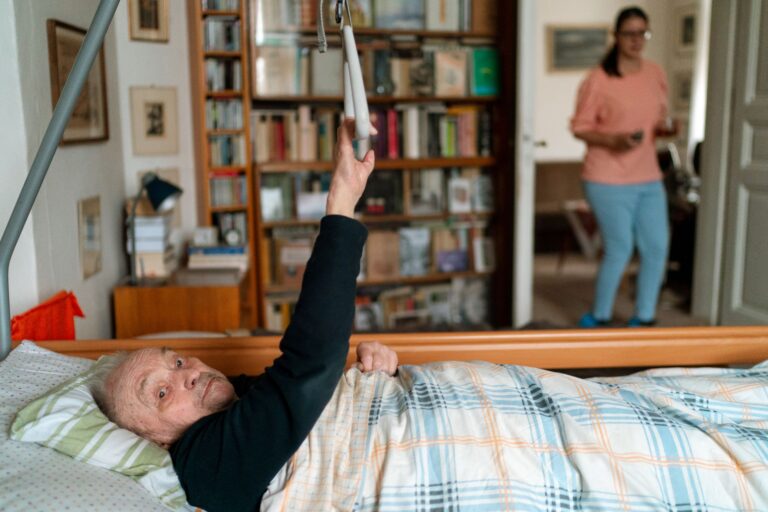
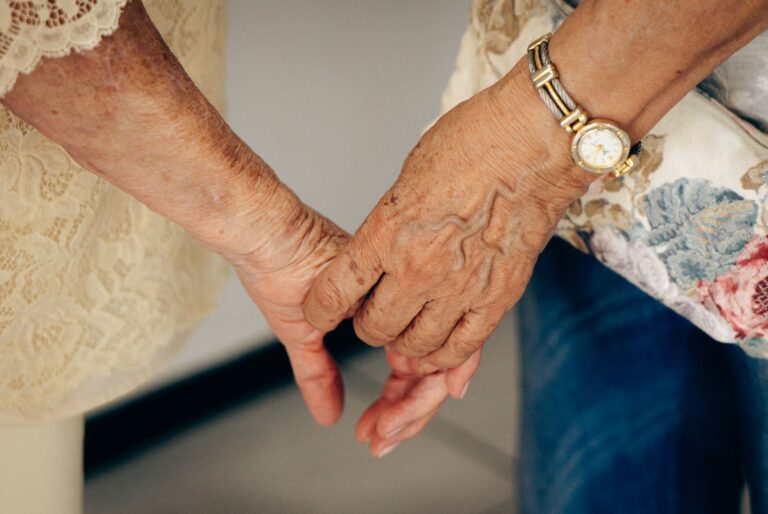
Person-centered care helps Alzheimer’s patients by treating them as individuals with unique histories, preferences, and dignity—rather than simply managing symptoms or behaviors. This approach reduces agitation, builds trust between patient and caregiver, and allows people with dementia to maintain a sense of identity even as their cognitive abilities decline.
When a person with Alzheimer’s is recognized as themselves—with their own values, likes, and dislikes—they experience less anxiety and feel safer in their environment, which translates directly into better daily functioning and fewer behavioral crises. The evidence is compelling: long-term care facilities that emphasize person-centered practices report fewer behavioral incidents, reduced reliance on sedating medications, and residents who remain more engaged with the world around them. A woman living with mid-stage Alzheimer’s who always enjoyed gardening may not remember planting flowers, but when a caregiver involves her in tending potted plants, that familiar activity reconnects her to something meaningful and calms her distress—without medication.
Table of Contents
- What Does Person-Centered Care Actually Mean in Dementia?
- How Person-Centered Care Reduces Behavioral and Emotional Decline
- Real Examples of Person-Centered Care in Action
- How to Implement Person-Centered Care in Your Home or Care Setting
- The Challenge of Consistency and Staff Burnout in Person-Centered Care
- The Caregiver’s Role in Delivering Authentic Person-Centered Care
- Communication Techniques That Honor the Person Within the Illness
What Does Person-Centered Care Actually Mean in Dementia?
Person-centered care means building your approach to someone with Alzheimer’s around their life story, not just their diagnosis. It involves learning what matters to them—their favorite music, the foods they loved, the people who made them happy—and weaving those elements into daily care. Rather than imposing a routine that works for the caregiver, you adapt the routine around the person’s rhythms, preferences, and history.
In practice, this might look like: instead of forcing breakfast at 7 a.m. because that’s facility schedule, you recognize that someone was always a late sleeper and offer breakfast at 9. Instead of dismissing their insistence that they need to “go to work,” you acknowledge their longtime career in teaching, talk about former students, and perhaps find an activity that gives them a sense of purpose and contribution. A man who spent 40 years as a carpenter may never build again, but sorting through a box of tools, talking about projects, and using his hands in familiar ways honors who he was and often relieves his agitation more effectively than any medication adjustment.
How Person-Centered Care Reduces Behavioral and Emotional Decline
When someone with Alzheimer’s feels understood and respected rather than controlled or corrected, their entire neurological state shifts. Behavioral symptoms—aggression, wandering, refusal to eat, screaming—are often not random but are the person’s way of communicating distress, unmet needs, or fear. A person-centered approach asks: what is this behavior telling us? rather than: how do we stop this behavior? This shift in perspective leads to identifying root causes—pain, loneliness, disorientation, hunger—and addressing them directly instead of masking them with medication. However, person-centered care requires significant time investment upfront.
Caregivers must learn someone’s full history, recognize subtle cues, and stay consistent in their approach—all of which is exhausting and time-consuming, especially in understaffed facilities. A caregiver cannot simply apply a one-size-fits-all behavioral management technique; they must genuinely know and remember the person. This is why facilities with lower staff turnover and better training show better results—continuity allows relationships to form and person-specific knowledge to accumulate. The trade-off is real: person-centered care cannot be rushed or delegated to rotating staff who don’t know the person’s background.
Real Examples of Person-Centered Care in Action
Consider a woman in late-stage Alzheimer’s who becomes increasingly agitated during evenings and refuses to eat. Traditional approaches might medicate the agitation or create a quiet, stimulus-free environment. A person-centered care team learns that she was a nurse who worked night shifts for 35 years and had a strong sense of duty. In the early evenings, she becomes confused and anxious because her body expects to be “going to work.” By acknowledging this—”You’re thinking about your shift, aren’t you? You were such a dedicated nurse”—and offering her a role in helping serve dinner or checking on other residents (under gentle supervision), her agitation subsides, her appetite returns, and she feels purposeful again.
Another example: a man with Alzheimer’s constantly tries to “leave the building” and seems unable to understand that he cannot live alone anymore. Instead of locking doors or restraining him, a person-centered approach involves understanding that he is a former business owner and entrepreneur who always valued independence and control. Caregivers give him genuine responsibilities—managing a small garden plot, organizing activities, helping with tasks—that restore his sense of agency. He may still ask to leave, but the urgency decreases because he feels needed and autonomous in his new environment.
How to Implement Person-Centered Care in Your Home or Care Setting
Start by creating a life history document: interview family members and gather photos, objects, and stories that define the person. Write down their favorite songs, foods, activities, pet names for loved ones, childhood memories, and important life events. This becomes your guide for daily interactions—something to reference when someone is upset or withdrawn. Play music from their era, cook their favorite meals, display photographs, and bring in objects that trigger positive memories and conversation. The practical challenge is consistency.
A spouse at home may be able to maintain person-centered care, but a busy caregiver splitting time among multiple clients may not. In professional settings, the most successful programs have caregivers assigned to the same residents over weeks or months, allowing relationships to deepen. A comparison: a facility that rotates staff every shift treats patients by diagnosis, while a facility with consistent teams can treat residents as individuals. Both provide physical care, but only the latter creates the emotional safety that truly reduces behavioral problems and improves quality of life. The organizational cost is higher—more complex scheduling, staff retention programs—but the outcome is markedly better.
The Challenge of Consistency and Staff Burnout in Person-Centered Care
Person-centered care demands emotional labor. Caregivers must remain patient, engaged, and genuine even when the person with Alzheimer’s doesn’t recognize them or repeats the same question 50 times. This constant requirement for presence and empathy leads to caregiver burnout if support systems aren’t in place. A family caregiver managing a spouse or parent 24/7 without respite care is at high risk for depression, exhaustion, and resentment—which inevitably changes their capacity to deliver person-centered care no matter how much they love the person.
Another significant limitation: person-centered care assumes you have information about the person’s history and preferences. For someone without close family, limited medical records, or a life spent in multiple cultures or communities, reconstructing their identity becomes difficult. Additionally, in the advanced stages of Alzheimer’s, even with the best person-centered approach, the disease will strip away cognitive function and communication. Person-centered care cannot reverse or halt this decline—it can only preserve dignity and reduce suffering along the way, not prevent the eventual loss.
The Caregiver’s Role in Delivering Authentic Person-Centered Care
Caregivers—whether family members, home health aides, or nursing home staff—are the frontline implementers of person-centered care, and their well-being directly affects its effectiveness. A caregiver who feels supported, trained, and valued is more able to approach each interaction with genuine presence. A caregiver who is overworked, undertrained, and disrespected will inevitably fall back on task-focused efficiency rather than relationship-building.
This is why training matters. Facilities and families that invest in teaching caregivers about person-centered philosophy and the specific person’s history see better outcomes. A home health aide who spends 15 minutes reviewing the client’s life story before their first shift will interact differently than one who walks in with a task checklist. Professional support—supervisor check-ins, peer support groups, access to counseling—helps prevent the compassion fatigue that typically derails even well-intentioned caregivers.
Communication Techniques That Honor the Person Within the Illness
Person-centered communication means never contradicting someone’s reality, even when they are clearly confused. If someone with Alzheimer’s insists they need to pick up their mother from school, the response is not “Your mother is dead, remember?” but rather: “Your mother was very important to you. Tell me about her.” This validates their emotion while gently redirecting without causing distress.
Using validation—acknowledging the feeling rather than correcting the fact—preserves the person’s dignity and often resolves behavioral crises. A man who becomes angry because he “lost” money is not comforted by checking the bank balance and showing him the funds are safe; he is comforted by hearing, “Losing things has always worried you. Let’s make sure we keep what matters safe.” This approach accepts the emotional truth even when the factual premise is false. The communication shift is small but profoundly effective: it treats the person’s inner experience as real and worthy of respect, which is the core of person-centered care.
- —