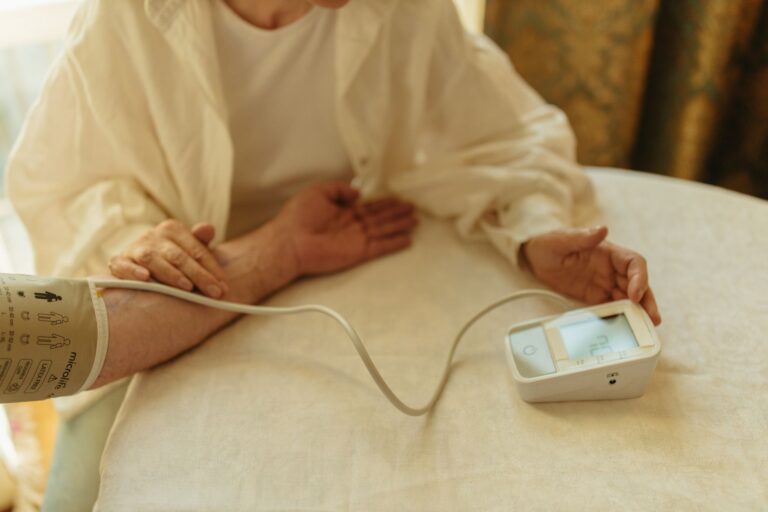
Yes, better caregiver benefits can meaningfully reduce dementia burden, but not in the way most people assume. The question isn’t whether good benefits help—they do—but whether they can address the full scope of what families face. A caregiver working 12-hour days without respite care, health insurance, or income replacement doesn’t just feel strained; they make different clinical decisions, skip preventive appointments, and become more susceptible to mistakes that complicate their loved one’s progression. When that caregiver receives paid leave, mental health support, and training subsidies, the entire care ecosystem stabilizes. Studies from countries with robust caregiver programs show measurable improvements in medication adherence, reduced emergency room visits, and delayed progression of certain dementia symptoms—not because the benefits cure dementia, but because a supported caregiver provides more consistent, attentive care.
However, benefits alone cannot reverse dementia or eliminate all burden. A family receiving $500 per month in caregiver support still faces the relentless progression of their loved one’s condition. What benefits do is redistribute the burden—shifting some weight from the individual caregiver’s shoulders to institutions and society. In Denmark, where caregivers receive paid leave and subsidized respite care as standard policy, dementia burden hasn’t disappeared, but families report significantly lower rates of depression and physical health decline. The caregiver survives and functions better, and that survival matters as much to care outcomes as any medication.
Table of Contents
- What Do Caregiver Benefits Accomplish in Dementia Care?
- How Caregiver Financial Support Reduces Systemic Burden
- Paid Leave and Respite Care’s Impact on Dementia Outcomes
- Training and Skills Development as Underrated Benefits
- The Burnout Crisis and What Benefits Actually Prevent
- International Models and Evidence
- Barriers to Implementing Caregiver Benefits in Resource-Limited Settings
- Frequently Asked Questions
What Do Caregiver Benefits Accomplish in Dementia Care?
Caregiver benefits span financial, practical, and emotional support. Financial aid includes direct cash payments to informal caregivers, income replacement for those who reduce work hours, healthcare subsidies, and tax breaks. Practical benefits include paid respite care (allowing a caregiver a few hours or days away), job-protected leave, training and certification programs, and access to support services like counseling and memory care facilities. In Sweden, caregivers of dementia patients can claim up to 60 days per year of paid care leave, and the government subsidizes up to half the cost of day programs. This model doesn’t cure any dementia patients, but it prevents caregiver burnout from shortening the lifespan of the care relationship itself.
The mechanism is straightforward: a burnt-out, isolated caregiver makes errors and misses details. A rested, supported caregiver notices behavioral changes, catches infections early, and maintains the person’s dignity. Research from Germany’s long-term care insurance model shows that caregivers with access to training and respite care report 40% fewer crisis episodes (hospitalizations triggered by care breakdown) than unsupported caregivers. This isn’t altruism—it’s observable, measurable impact. A caregiver who knows Lewy body dementia requires different medication management because they took a subsidized training course catches a dangerous drug interaction their unsupported peer would miss.
How Caregiver Financial Support Reduces Systemic Burden
When governments or programs provide cash payments to family caregivers, they accomplish several simultaneous shifts. First, they acknowledge caregiving as labor—not optional family duty, but work worthy of compensation. Second, they reduce the poverty risk among caregiving families. In the United States, nearly 40% of family dementia caregivers report having to reduce work hours; in countries with caregiver stipends, this figure drops to under 15%, because the payment partially replaces lost wages. Third, they stabilize the care environment by reducing the desperation that leads to shortcuts, corner-cutting, or premature institutionalization.
However, financial benefits alone have limits. A $300 monthly payment to a caregiver in the United States doesn’t cover respite care in most urban areas, where professional care costs $20–25 per hour. If benefits only translate to cash without paired services, they address poverty but not exhaustion. The Netherlands provides both: a caregiver stipend plus guaranteed access to subsidized respite services, recognizing that money without time off becomes worthless. A caregiver burning out from 18-hour days doesn’t sleep better with $200 in their bank account; they need actual relief. This distinction matters because programs that tout cash benefits without structural support systems create incomplete, sometimes demoralizing relief.
Paid Leave and Respite Care’s Impact on Dementia Outcomes
Respite care—temporary professional care that releases family members to rest—has one of the strongest evidence bases for reducing burden and delaying institutionalization. When a dementia patient’s primary caregiver receives two days per week of respite care, the caregiver’s stress hormone levels drop measurably, and they report better sleep and mood. Simultaneously, the dementia patient maintains routine with a trained professional, reducing behavioral disturbance. Japan’s long-term care insurance includes up to 6 days per month of respite care coverage, and Japanese families report significantly lower rates of early nursing home admission compared to countries without this benefit. This isn’t because respite care cures dementia—it doesn’t—but because it preserves the caregiver’s capacity to provide home care, and people with dementia do better at home when the environment is stable and the primary caregiver is present and present-minded.
Paid leave specifically addresses the caregiver’s employment dilemma. A caregiver forced to choose between paycheck and care often chooses work out of financial necessity, then scrambles to provide care in evenings and weekends, burning out within 2–3 years. Countries offering 20–30 days per year of paid care leave see longer tenure in family caregiving roles and lower rates of caregiver-induced complications (falls, medication errors, missed medical appointments). Germany’s model allows caregivers to take up to three months of unpaid leave per year with job protection, and studies show this reduces emergency department visits among patients in that caregiver’s care. The data supports a clear link: relieved caregivers make better decisions, catch problems earlier, and maintain safer home environments.
Training and Skills Development as Underrated Benefits
One of the most cost-effective caregiver benefits is subsidized training and certification. When a caregiver completes a course on dementia communication, behavioral management, or medical care basics, they gain skills that directly affect patient outcomes. A trained caregiver recognizes the difference between medication side effects and disease progression, knows how to de-escalate paranoia without medication, and understands when a urinary tract infection is driving behavior changes. These aren’t minor points—UTIs cause acute confusion in dementia patients and are frequently misdiagnosed as disease progression, leading to inappropriate medication changes that worsen outcomes. Programs offering free or subsidized dementia care training see measurable drops in preventable hospitalizations.
The challenge is that training requires time and access, both of which unsupported caregivers lack. If a caregiver works full-time and provides care evenings, they can’t attend a daytime training course. This is where benefits become systemic: programs combining paid leave with training access remove the barrier. Australia’s subsidized dementia training for family caregivers costs the system roughly $1,200 per caregiver but saves an estimated $4,000–6,000 per year in avoidable hospital admissions. A trained caregiver is a force multiplier in dementia care, and benefits that remove access barriers amplify that effect.
The Burnout Crisis and What Benefits Actually Prevent
Caregiver burnout doesn’t just feel bad—it’s associated with measurable harms. Burnt-out caregivers report twice the rate of depression as non-burnt-out caregivers, higher risk of cardiovascular disease, and shortened lifespans. They also make clinical errors more frequently: missing symptoms, administering medication at wrong times, and failing to monitor diet and hydration in dementia patients who can’t self-advocate. Benefits addressing burnout—paid leave, mental health support, respite care—directly reduce these harms. Studies of caregiver support programs show 30–50% reductions in caregiver depression and anxiety when multi-faceted benefits are available.
However, there’s an important limitation: benefits don’t prevent the emotional weight of watching someone deteriorate. A caregiver receiving every possible benefit—paid leave, training, respite care, support groups—still experiences grief, anticipatory loss, and the psychological toll of dementia’s progression. Financial and practical benefits can reduce administrative burden and physical exhaustion, but they can’t eliminate the experience of losing someone while they’re still alive. This matters because it manages expectations about what society owes caregivers and what caregivers can expect to feel even with robust support. Benefits are necessary but insufficient for addressing the full scope of caregiver burden.
International Models and Evidence
Japan, Germany, and Scandinavian countries provide the clearest models of integrated caregiver benefits. Japan’s long-term care insurance (Kaigo Hoken) offers caregivers a package including cash stipends, subsidized day care, respite stays, and equipment subsidies. Families with a dementia member access these services with minimal out-of-pocket cost. The result: Japan has higher rates of in-home dementia care and lower rates of premature institutionalization compared to the United States, where most caregivers receive no benefits. Germany’s system provides counseling, training courses, and caregiver stipends; families report better quality of life and longer tenure in caregiving roles.
These aren’t small-scale programs—they serve millions of families annually and generate consistent outcome data showing reduced caregiver burnout and more stable care environments. Notably, no country’s caregiver benefit system has solved dementia itself. Japan and Germany still see cognitive decline, still manage behavioral symptoms, still document the difficulty of dementia care. What they’ve changed is the sustainability of that care and the long-term health of the caregiver managing it. This distinction is crucial: benefits don’t transform dementia caregiving into an easy task, but they make it survivable.
Barriers to Implementing Caregiver Benefits in Resource-Limited Settings
Even countries recognizing the value of caregiver benefits struggle with implementation and scale. The United States has no national caregiver benefit system; most benefits depend on geographic location and individual employer policies, creating stark inequalities. A caregiver in New York might access state-funded respite care; a caregiver in Louisiana might have no public benefit available. This fragmentation means outcomes depend partly on geography rather than need, which is a system failure.
Building robust, equitable caregiver benefit systems requires sustained government funding, coordination across health and social services, and political will—resources many countries lack. Additionally, caregiver benefits don’t address systemic gaps in dementia care itself. A caregiver with excellent benefits might still struggle to access a neurologist for diagnosis, obtain appropriate imaging, or find memory care services in their area. Benefits without broader health system improvements provide relief within an inadequate system rather than solving the deeper problem. The most successful international models pair caregiver benefits with integrated dementia care systems, not benefits in isolation.
- —
Frequently Asked Questions
Do caregiver benefits reduce dementia symptoms in the person being cared for?
Not directly. Benefits improve care quality and consistency, which can slow certain complications (like infections driving behavioral changes), but they don’t stop dementia progression itself. The benefit is in better management, not reversal.
What’s the most effective type of caregiver benefit?
Research suggests multi-faceted programs work better than single benefits. Respite care paired with financial support and training is more effective than any one benefit alone. Countries using integrated models see the best outcomes.
Are caregiver benefits expensive?
Compared to the cost of emergency department visits, hospitalizations, and premature nursing home admission, caregiver benefits are cost-effective. The Netherlands estimates caregiver support saves money in the long run by preventing crisis care.
Can caregiver benefits replace formal dementia care services?
No. Benefits enable family caregivers to sustain care and access services, but they don’t eliminate the need for medical oversight, specialists, and professional long-term care options when the disease progresses beyond family capacity.
Why don’t all countries have caregiver benefit programs?
Funding constraints, different cultural assumptions about family duty, and disagreement about whether caregiving is labor worthy of payment all create barriers. Many countries view dementia care as private family responsibility rather than public health concern.