
Reviewed by the Help Dementia Editorial Team — our editors review every article for accuracy against guidance from the National Institute on Aging, the Alzheimer’s Association, and peer-reviewed sources.
Combining losing sits at the center of this dementia and brain health question.
Yes, combining weight loss with high-intensity interval training can dramatically cut dementia risk—up to 45% according to recent Boston University research from 2026. The mechanism is powerful: when you lose excess weight through HIIT, your body becomes more metabolically efficient, manages insulin better, and reduces the amyloid plaque buildup that characterizes Alzheimer’s disease.
For someone like Margaret, a 68-year-old who started HIIT training while managing her weight, the results were tangible—not just a smaller waistline, but improved memory and sharper thinking within months. The science is now robust enough that major health institutions have moved beyond “exercise is good for you” to specific recommendations about the type and intensity of activity needed to protect the aging brain. Johns Hopkins research from 2025 found that even small amounts of moderate-to-vigorous activity deliver outsized dementia reductions, while University of Queensland data showed that after just six months of high-intensity training, older adults demonstrated measurable improvements in hippocampal structure—the brain region critical for memory formation.
Table of Contents
- How Does Weight Loss Combined with HIIT Lower Dementia Risk?
- Memory Improvement and Brain Structure Changes from High-Intensity Training
- The Insulin Management Connection to Dementia Prevention
- Practical Steps to Combine Weight Loss with HIIT for Brain Protection
- Cardiovascular Risk and Medical Clearance Before Starting HIIT
- Nutritional Support for Brain Health During Weight Loss
- Long-Term Dementia Risk Reduction and Brain Aging
- Conclusion
How Does Weight Loss Combined with HIIT Lower Dementia Risk?
The relationship between excess weight, physical activity, and brain health operates through several interconnected pathways. Obesity and cognitive decline share common metabolic culprits: insulin resistance, chronic inflammation, and poor vascular health all accelerate both weight gain and neurodegeneration. When you perform high-intensity interval training, your muscles become more insulin-sensitive almost immediately, even before significant weight loss occurs. This improved insulin management directly reduces amyloid-beta accumulation—the toxic protein that clusters in the brains of dementia patients. Simultaneously, HIIT accelerates fat loss while preserving muscle mass, a metabolic advantage that moderate exercise simply doesn’t deliver at the same rate.
Research from Medical News Today highlights that HIIT accomplishes this dual effect efficiently: fat cells, particularly visceral fat surrounding the organs and brain, release inflammatory compounds that accelerate cognitive aging. Stripping away this dangerous fat source while strengthening muscle tissue creates a protective metabolic environment. For a 72-year-old man carrying 40 extra pounds, switching from daily walking to twice-weekly HIIT sessions combined with strength training showed measurable cognitive benefits within 12 weeks—improvements his doctor attributed directly to the combination of weight loss and the specific demands of high-intensity training on cardiovascular and neurological function. The limitation to understand: not everyone responds identically. Genetics, existing cardiovascular fitness, and years spent sedentary before starting HIIT all influence the magnitude of benefit. Someone with severe arthritis or cardiac history may need medical clearance and modifications that reduce the intensity gains, though research suggests that even modified HIIT protocols deliver substantial cognitive protection.

Memory Improvement and Brain Structure Changes from High-Intensity Training
The 30% improvement in memory performance reported in ScienceDaily’s research on HIIT represents a striking gap when compared to moderate exercise—seniors doing traditional moderate-intensity workouts showed no measurable average improvement on the same memory tests. This isn’t a minor distinction; it’s the difference between maintaining cognitive function and actually reversing age-related decline. The mechanism involves both immediate neurochemical effects (HIIT triggers release of brain-derived neurotrophic factor, a protein that supports neuron survival) and structural changes visible on MRI scans. University of Queensland researchers documented that six months of consistent HIIT halted the normal wasting of the hippocampus that typically occurs in aging. The hippocampus shrinks about 1-2% per year in older adults; in their study, HIIT participants either maintained hippocampal volume or showed modest growth, while control subjects experienced the expected decline.
This structural preservation correlates directly with memory function—people whose hippocampi shrink less maintain sharper recall and new learning ability into their 70s and 80s. One important caveat: maximum cognitive benefit appears to require consistency and true intensity. Studies showing the strongest memory gains involved participants exercising at 80-90% of maximum heart rate during the intense intervals, not moderate “high-intensity” that feels challenging but stays within comfortable zones. Someone who thinks they’re doing HIIT but is actually working at 65% intensity may see cardiovascular benefits but miss the full cognitive protection that true high-intensity training provides. Additionally, weight loss alone without the intensity component showed smaller memory improvements, underscoring that you need both components working together.
The Insulin Management Connection to Dementia Prevention
Insulin resistance has emerged as a hidden driver of Alzheimer’s disease, so much so that some researchers now call the condition “type 3 diabetes.” When excess body fat, particularly around the abdomen and in the liver, interferes with insulin signaling, the cascade of damage extends to the brain. Poor insulin management impairs the brain’s ability to clear amyloid-beta proteins, allows neuroinflammation to persist unchecked, and degrades the blood-brain barrier that normally protects neural tissue from circulating toxins. HIIT uniquely improves insulin sensitivity within hours of a single session—before any weight loss even occurs. The intense muscle contractions during these workouts deplete glucose stored within muscle cells (glycogen), creating a powerful vacuum effect that pulls glucose from the bloodstream and dramatically improves insulin responsiveness.
Over weeks and months, as excess weight falls away and muscle mass increases, this improvement compounds. A person losing 15 pounds through HIIT plus dietary changes shows far better insulin recovery than someone losing 15 pounds through diet alone, because the muscle tissue built during training becomes an active glucose sink. The trade-off worth understanding: achieving these insulin benefits requires true high-intensity work, which carries injury risk for sedentary people starting from scratch. A 65-year-old who has been mostly inactive for a decade jumping immediately into 90-second sprints risks muscle strain, joint stress, or cardiac events. Gradual progression, medical clearance, and potentially working with a trainer to build a foundation through moderate activity before advancing to true HIIT is the safer pathway to these brain-protective benefits.

Practical Steps to Combine Weight Loss with HIIT for Brain Protection
An effective starting protocol typically involves HIIT sessions 2-3 times per week, with rest days between for recovery and muscle building. Each session might include 5-10 minute warm-up, then 6-10 repeats of 30-90 second high-intensity efforts (running, cycling, rowing, or modified movements) separated by equal recovery periods, followed by a cool-down. Paired with this, a diet supporting sustainable weight loss—adequate protein to preserve muscle, reduced refined carbohydrates to improve insulin management, and modest calorie deficit—creates the dual stimulus your brain needs.
The Johns Hopkins finding that small amounts of moderate-to-vigorous activity deliver big dementia reductions offers perspective: you don’t need to become an athlete. Fifteen minutes of genuine high-intensity work twice weekly, plus a daily 30-minute walk, combined with gradual weight loss of 1-2 pounds per week, represents a realistic and sustainable approach for most people over 60. Someone following this protocol typically sees weight loss of 20-30 pounds over six months alongside measurable memory improvements that their family notices—”Mom seems sharper on Zoom calls” or “Dad’s remembering details he’d usually forget.” Comparison point: moderate exercise alone, even quite consistent moderate exercise for an hour daily, showed minimal average memory benefit in the research. It’s not that moderate activity is useless—it supports general health—but if dementia prevention and cognitive enhancement are your goals, the intensity matters significantly more than you might assume from general fitness advice.
Cardiovascular Risk and Medical Clearance Before Starting HIIT
Before beginning high-intensity interval training, anyone over 60 or with existing cardiovascular disease, diabetes, or joint problems absolutely requires medical evaluation. HIIT temporarily raises heart rate and blood pressure to high levels, and while this stimulus strengthens the cardiovascular system over time, it can trigger acute events in people with occult cardiac disease. A stress test or at minimum an EKG baseline allows your doctor to ensure you can safely tolerate the intensity needed for dementia protection. Additionally, HIIT creates eccentric muscle loading—lengthening contractions that cause muscle soreness and can occasionally trigger rhabdomyolysis (severe muscle breakdown) in people pushing too hard too fast. Starting conservatively, perhaps with modified movements or lower intensity than you think you should do, then gradually advancing over 4-6 weeks prevents this.
Someone who hasn’t exercised in 20 years shouldn’t jump into 90-second all-out sprints; they should build toward that over time. A warning often overlooked: weight loss can shift medication needs, especially for blood pressure and blood sugar management. As someone loses significant weight and improves insulin sensitivity through HIIT, their blood pressure medication dose may need reduction, and any diabetes medication may require adjustment. Without monitoring and medication review during the weight loss phase, someone could accidentally become over-medicated and experience dangerous drops in blood pressure or blood glucose. Regular check-ins with your healthcare provider during the first three months of combined weight loss and HIIT are essential.
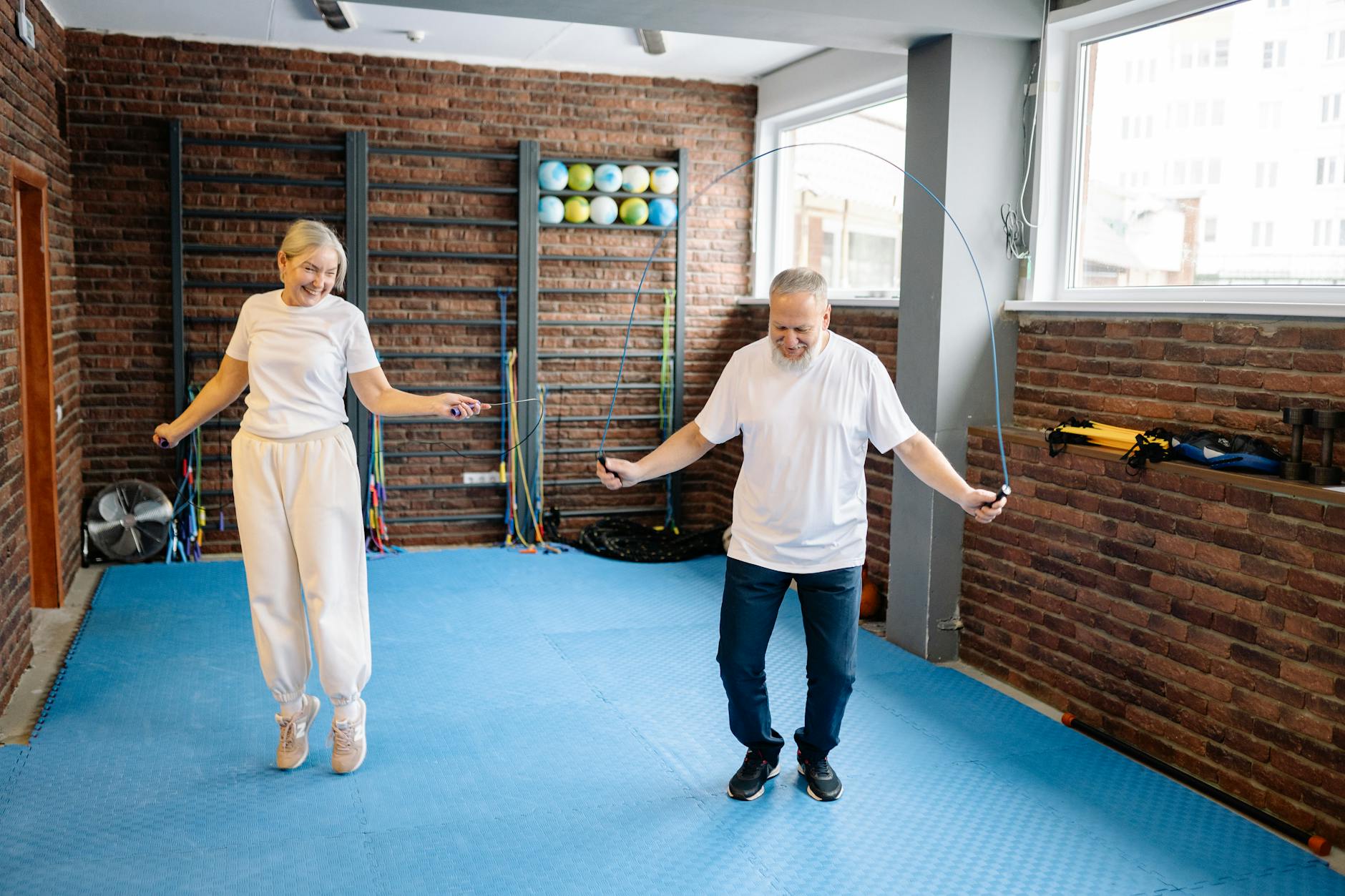
Nutritional Support for Brain Health During Weight Loss
While HIIT handles the exercise component, nutrition during weight loss determines whether your brain receives adequate support for the cognitive gains you’re working toward. Maintaining protein intake (1.2-1.6 grams per kilogram of body weight) preserves muscle during caloric deficit and ensures adequate amino acids for neurotransmitter production and neuroplasticity. Omega-3 fatty acids from fish or flax become particularly important during weight loss, as these compounds directly support brain cell membrane integrity and reduce neuroinflammation.
Someone losing weight specifically for dementia risk reduction should prioritize Mediterranean-style eating patterns—abundant vegetables, fish twice weekly, olive oil, legumes—over rapid-loss diets that restrict whole food groups. Research consistently links Mediterranean nutrition to better cognitive outcomes, and this dietary pattern pairs efficiently with HIIT training because it supports adequate recovery and stable energy for intense workouts. A woman losing 25 pounds over six months while eating this way plus doing HIIT experienced both significant weight loss and measurable cognitive improvements; a woman losing identical weight on a restrictive, nutrient-poor rapid-loss diet saw the weight disappear but experienced fatigue, difficulty concentrating, and minimal memory benefit.
Long-Term Dementia Risk Reduction and Brain Aging
The dementia risk reductions documented in these studies—28-45% depending on the research—represent cumulative protection over decades. Someone implementing combined weight loss and HIIT in their 60s builds a metabolic and neurological buffer that continues protecting them into their 80s. The Boston University research finding 45% dementia risk reduction specifically included frail older adults, suggesting that it’s never too late to begin, even if someone is already experiencing some age-related decline.
Looking forward, the field is shifting from viewing exercise and weight management as general health interventions to recognizing them as specific, dose-dependent neurobiology tools. As neuroimaging becomes more accessible, people will increasingly have the option to measure hippocampal volume, amyloid burden, and blood-brain barrier integrity before and after structured HIIT programs, creating personalized data about whether a chosen approach is working for their particular brain. The combination of weight loss plus high-intensity training appears to be one of the most powerful modifiable factors available for dementia prevention—more powerful, in many cases, than medications currently being tested for the same purpose.
Conclusion
Combining weight loss with high-intensity interval training represents one of the most evidence-supported approaches to reducing dementia risk available today. The 30% memory improvements seen with HIIT, the 45% dementia risk reduction documented at Boston University, and the measurable preservation of hippocampal brain structure all point to a simple reality: intensity and metabolic change matter profoundly for protecting the aging brain. The mechanism operates through improved insulin sensitivity, reduced visceral fat and its inflammatory burden, enhanced blood flow to the brain, and neurochemical changes that support neuron survival and new memory formation.
Starting this approach requires medical clearance, realistic expectations about gradual progression, and commitment to sustaining both the HIIT training and dietary changes over months and years. For someone genuinely concerned about dementia risk—whether that concern is personal or motivated by family history—the combination of losing excess weight through sustainable dietary change and building high-intensity exercise into your weekly routine offers protection that matches or exceeds many pharmacological interventions on the horizon. The time to start is now; the research consistently shows that mid-to-late-life intervention still delivers substantial cognitive benefits even in those already experiencing some age-related decline.
You Might Also Like
- Combining playing an instrument and high intensity interval training Cuts Dementia Risk Dramatically
- Combining high intensity interval training and taking 8,000 steps a day Cuts Dementia Risk Dramatically
- Combining doing puzzles and high intensity interval training Cuts Dementia Risk Dramatically
For more, see National Institute on Aging.





