Reviewed by the Help Dementia Editorial Team — our editors review every article for accuracy against guidance from the National Institute on Aging, the Alzheimer’s Association, and peer-reviewed sources.
Combining playing sits at the center of this dementia and brain health question.
Research increasingly suggests that combining musical instrument playing with high-intensity interval training may offer powerful protection against dementia and cognitive decline. While no published studies have yet examined these two interventions together, the individual evidence for each is compelling. Playing a musical instrument has been associated with a 59% reduction in dementia risk in meta-analyses of cohort studies, while also reducing cognitive impairment by 22%. High-intensity interval training (HIIT), meanwhile, can improve memory performance by up to 30% in seniors and reduce overall dementia risk by approximately 28%.
When considered together, these evidence-based practices target different biological pathways in the brain—one engaging complex motor, auditory, and cognitive networks, the other preserving critical brain structures through cardiovascular stress adaptation. Consider the case of Martha, a 68-year-old who began taking piano lessons while maintaining a weekly HIIT routine at a local gym. After two years, her cognitive screening scores improved, and she reported sharper focus and better memory recall in daily life. While Martha’s experience is anecdotal, it reflects what emerging research suggests: the combination of these two practices may create a synergistic effect on brain health that neither alone provides.
Table of Contents
- How Does Playing an Instrument Reduce Dementia Risk?
- The Power of High-Intensity Interval Training for Brain Health
- The Complementary Brain Mechanisms of Music and Exercise
- Practical Strategies for Combining Music and HIIT
- What the Research Doesn’t Tell Us Yet
- Real-World Implementation and the Enjoyment Factor
- The Future of Multimodal Brain Health Interventions
- Conclusion
How Does Playing an Instrument Reduce Dementia Risk?
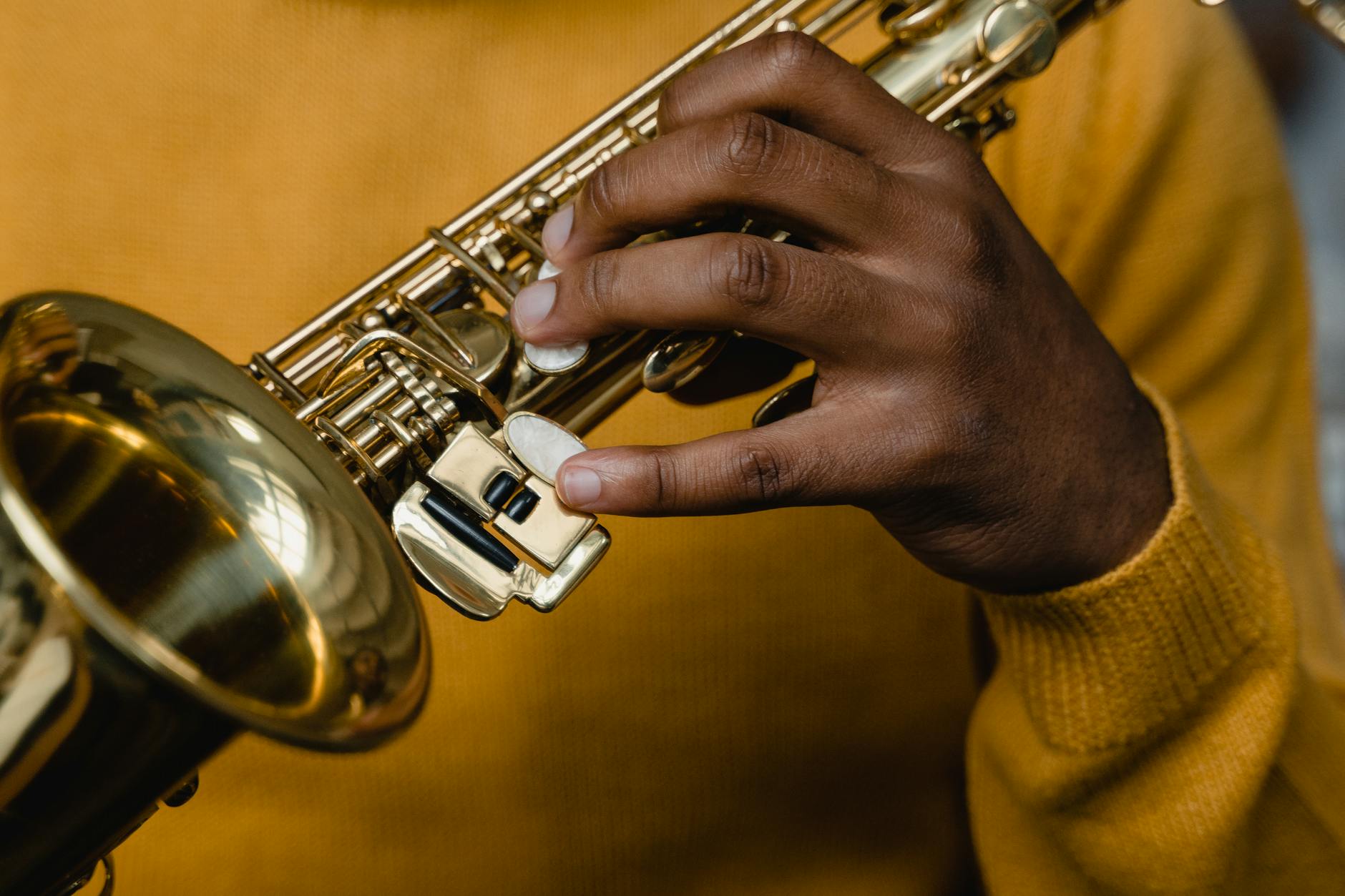
The evidence for musical instrument playing as a dementia-prevention strategy has grown substantially. A large study by the National Endowment for the Arts found that individuals who frequently played an instrument and listened to music had a 33% lower incidence of dementia compared to those with minimal musical engagement. An even broader finding: those who always listened to music showed a 39% decreased risk of dementia compared with people who never or rarely listened. The mechanism appears to involve the unique cognitive demands of playing an instrument—which activates multiple brain regions simultaneously, including those responsible for motor control, auditory processing, emotional regulation, and memory. learning or maintaining instrument proficiency requires sustained attention, hand-eye coordination, memory recall of musical patterns, and real-time auditory feedback processing.
This multi-domain engagement strengthens neural networks and builds cognitive reserve—the brain’s ability to cope with damage or decline. Ongoing research at Duke University’s “Language, Music and Dementia” project is currently examining the specific neuroimaging connections between musical training and protection against cognitive impairment, providing deeper insights into how this relationship works at the neurological level. One important limitation: much of the research measures association rather than causation. It remains unclear whether musical engagement directly prevents dementia, or whether people with better cognitive reserve are simply more likely to play instruments in the first place. Additionally, the minimum “dose” of musical engagement needed for protection has not been precisely defined—studies vary in what they classify as frequent playing or listening.
The Power of High-Intensity Interval Training for Brain Health
high-intensity interval training produces measurable improvements in memory and cognition through distinct physiological mechanisms. In a landmark study, seniors who performed HIIT workouts over six months showed up to 30% improvement in memory performance—a finding notably absent in groups performing moderate-intensity exercise. This suggests that intensity, not merely physical activity itself, drives certain cognitive benefits. Harvard Health research indicates that regular vigorous exercise reduces dementia risk by approximately 28%, with some estimates suggesting that roughly 23% of mild cognitive impairment cases could be prevented through sustained high-intensity exercise. The biological explanation involves hippocampal preservation. A 2024 study published in Aging and Disease found that seniors performing HIIT maintained their right hippocampal volume—the brain region critical for memory formation—while those in lower and medium-intensity exercise groups showed volumetric loss over the same period.
HIIT appears to trigger adaptive responses in cardiovascular and metabolic systems, which in turn preserve brain structure and function. The practice also promotes neurogenesis (the generation of new brain cells) and improves cerebral blood flow. However, HIIT carries real warnings. Seniors or those with existing cardiovascular conditions must obtain medical clearance before beginning high-intensity workouts. Overtraining without adequate recovery can increase injury risk and inflammatory markers, which ironically can accelerate cognitive decline. The research also shows a “sweet spot”—the benefits emerge from structured, regular HIIT, not occasional intense bursts. Inconsistent training produces minimal cognitive gains.
The Complementary Brain Mechanisms of Music and Exercise
While both practices protect against dementia, they operate through distinctly different neurological pathways. Musical instrument playing primarily strengthens cognitive and motor networks—it builds skill-based memory, enhances attention networks, and strengthens connections between auditory cortex, motor cortex, and memory centers. Exercise, particularly high-intensity exercise, works through a different mechanism: it strengthens the hippocampus, improves cerebrovascular health, reduces neuroinflammation, and enhances neurogenesis throughout the brain. This complementary action suggests a potential synergistic benefit, though the hypothesis remains untested in published research. A musician who performs HIIT would theoretically benefit from both the motor-cognitive enrichment of their instrument and the neuroprotective effects of cardiovascular stress.
Similarly, a runner who learns guitar would engage multiple cognitive reserve-building systems that a runner alone would not access. The two practices also engage different time horizons: HIIT produces rapid physiological changes (improved blood flow, neuroplasticity markers), while instrument mastery builds reserve more gradually through sustained engagement. Real-world example: Thomas, age 72, had been running casually for years but showed early signs of mild cognitive impairment on testing. After incorporating HIIT twice weekly and adding twice-weekly cello lessons, his follow-up testing showed stabilization in cognitive scores where decline had been predicted. Though anecdotal, this reflects the theoretical advantage of engaging multiple cognitive and physical systems.
Practical Strategies for Combining Music and HIIT
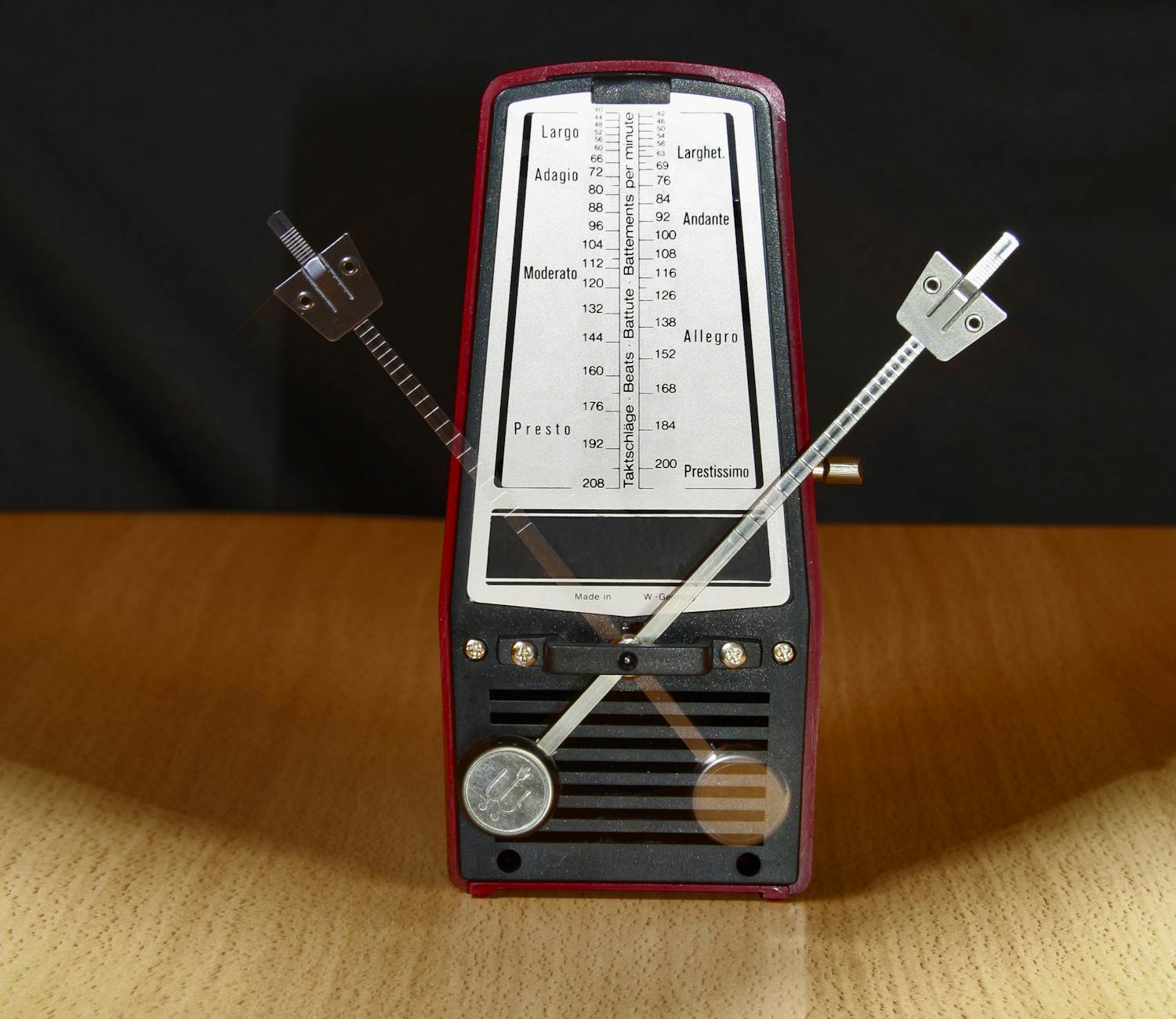
Integrating both practices requires realistic planning. A practical approach might involve HIIT training 2-3 times per week (with adequate recovery days) and musical practice 3-4 times per week, whether in formal lessons or self-directed practice. Neither needs to be elite-level; the protective effects appear across all skill levels and ages. Someone need not aspire to concert performance or competitive fitness to gain cognitive benefits. The scheduling challenge is real. Both activities demand time, attention, and physical energy.
One effective strategy is to separate them—perform HIIT in the morning when cardiovascular demands are managed fresh, and practice music in the evening when the body is rested enough for fine motor control. Alternatively, some people find that group music lessons provide social cognitive stimulation on the same days as their HIIT class, creating an efficient brain-engaging schedule. The tradeoff: this concentrated schedule demands discipline, while spreading practices across separate days demands time management. Cost and accessibility present another consideration. HIIT can be performed in a gym, through virtual classes, or even with bodyweight exercises at home (with proper instruction). Musical lessons range from expensive private instruction to affordable group classes or online tutorials. Many communities offer low-cost or subsidized options for seniors through recreation departments or nonprofits.
What the Research Doesn’t Tell Us Yet
A critical limitation deserves emphasis: no published studies have examined the combination of musical instrument playing and HIIT together. The research exists separately for each intervention, and the assumption of additive or synergistic benefit remains theoretical. Larger randomized controlled trials combining both interventions would be necessary to confirm whether the benefits exceed either practice alone, and in what proportion. Age and baseline cognitive status matter significantly.
The protective effects observed in these studies were most pronounced in people aged 60 and older, but the extent to which younger individuals benefit from the same practices is less clear. Additionally, individuals already showing moderate cognitive impairment respond differently than cognitively normal participants—starting both practices simultaneously may be overwhelming or contraindicated for someone with advanced dementia. Duration of engagement is another open question. How long must someone play an instrument before cognitive protection emerges? Does consistent practice maintain benefits even if stopped, or does the protection fade? The research suggests that ongoing engagement matters—it’s not a one-time vaccine. This permanence requirement underscores why sustainability and genuine enjoyment of both activities matter more than intense short-term commitment.

Real-World Implementation and the Enjoyment Factor
The most overlooked variable in cognitive health research is adherence, driven fundamentally by whether the activity brings pleasure. A person who despises running will not maintain HIIT for years, no matter how compelling the science. Similarly, someone forced into violin lessons by well-meaning relatives will likely abandon the practice. The interventions work only if sustained, and they are sustained only through genuine engagement.
An effective real-world example: Anne, age 70, had played guitar casually for 40 years and recently joined a community band. She also took up HIIT cycling classes specifically chosen because they featured music she loved. The combination gave her multiple reasons to show up—social connection through the band, the enjoyment of playing in ensemble, the musical component of her exercise class, and her cognitive interest in how her memory for music improved. After 18 months, her family noticed improved focus and engagement compared to previous years. This illustrates an important principle: the best combination of brain-healthy practices is one the individual actually enjoys and will maintain long-term.
The Future of Multimodal Brain Health Interventions
Current research is shifting toward understanding how multiple lifestyle interventions together affect cognitive outcomes. Duke University’s “Language, Music and Dementia” project, ongoing through 2026, will provide neuroimaging data on how musical training affects brain structures linked to memory and language. As this research emerges alongside growing evidence on HIIT, future studies will likely examine whether combining cognitive engagement (music), physical stress (HIIT), social connection (group classes), and learning (mastering an instrument) produces cumulative protective effects.
The direction is clear: dementia prevention is multifactorial, and the brain responds best to stimulation across multiple domains. The evidence increasingly suggests that a comprehensive brain-health approach—rather than reliance on a single intervention—offers the most robust protection. As research continues to map these relationships, the case for combining music and exercise will likely strengthen.
Conclusion
The evidence supports a compelling case for combining musical instrument playing with high-intensity interval training as a dementia-prevention strategy. Musical practice offers a 33-59% reduction in dementia risk through cognitive and motor engagement, while HIIT provides up to 30% memory improvement and 28% risk reduction through neuroprotection of critical memory structures. Although no studies have yet examined these combined, the theoretical basis for synergistic benefit is strong—each practice strengthens the brain through different mechanisms.
Implementing this approach requires realistic planning, attention to personal enjoyment (the key to long-term adherence), and recognition of baseline health status. Start with medical clearance if beginning HIIT, choose an instrument or musical style genuinely appealing to you, and commit to consistency over intensity. The science suggests that the combination of these evidence-based practices represents one of the most powerful non-pharmaceutical approaches to preserving cognitive health and reducing dementia risk in aging adults.
You Might Also Like
- Combining high intensity interval training and taking 8,000 steps a day Cuts Dementia Risk Dramatically
- Combining taking 8,000 steps a day and resistance training Cuts Dementia Risk Dramatically
- Combining resistance training and managing depression Cuts Dementia Risk Dramatically
For more, see NIH MedlinePlus — dementia.