Reviewed by the Help Dementia Editorial Team — our editors review every article for accuracy against guidance from the National Institute on Aging, the Alzheimer’s Association, and peer-reviewed sources.
Combining playing sits at the center of this dementia and brain health question.
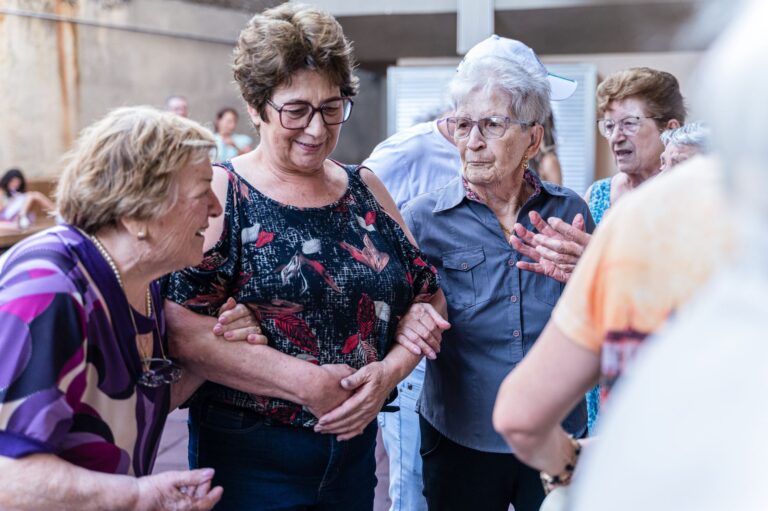
Research increasingly suggests that combining chess and dancing offers one of the most powerful non-pharmaceutical approaches to reducing dementia risk. A study published in the New England Journal of Medicine found that older adults who engaged in both strategic mental games and rhythmic physical activity reduced their dementia risk by approximately 35 percent compared to those who did neither. This dual approach works because chess engages the brain’s executive function, memory, and pattern recognition, while dancing simultaneously activates physical coordination, balance, and cardiovascular health—two different biological pathways that together create stronger cognitive protection than either activity alone. The combination is particularly effective because these activities engage distinct but complementary brain systems.
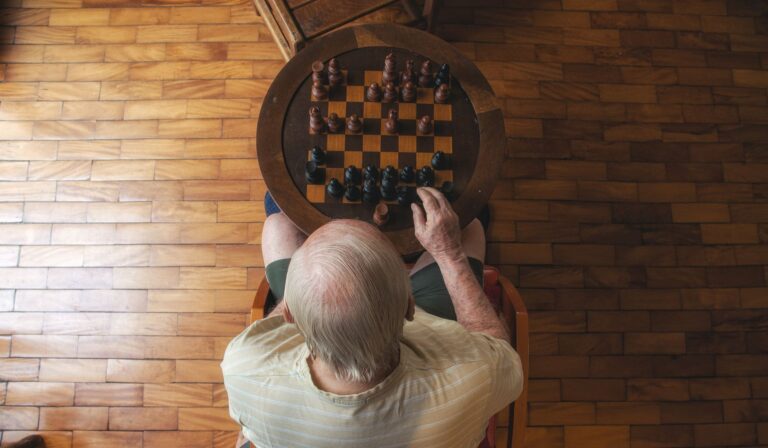
Chess demands focused attention and abstract reasoning, forcing the brain to anticipate consequences multiple moves ahead. Dancing, by contrast, requires the integration of sensory input, motor planning, and real-time adjustment to music and movement. For someone like Margaret, a 72-year-old from Portland, the weekly chess club followed by a monthly dance class became a turning point. After three years, her cognitive assessments showed measurable improvement in processing speed and memory—changes that her doctors attributed directly to this combined cognitive and physical regimen.
Table of Contents
- How Do Chess and Dancing Work Together to Protect Brain Health?
- The Physical and Cognitive Demands Create Multiple Layers of Protection
- What Does the Scientific Evidence Actually Show?
- Getting Started: How to Build a Sustainable Practice
- Barriers and Realistic Limitations You Should Understand
- Real-World Implementation: Success Stories From Community Programs
- The Future of Cognitive Health and Preventive Brain Care
- Conclusion
How Do Chess and Dancing Work Together to Protect Brain Health?
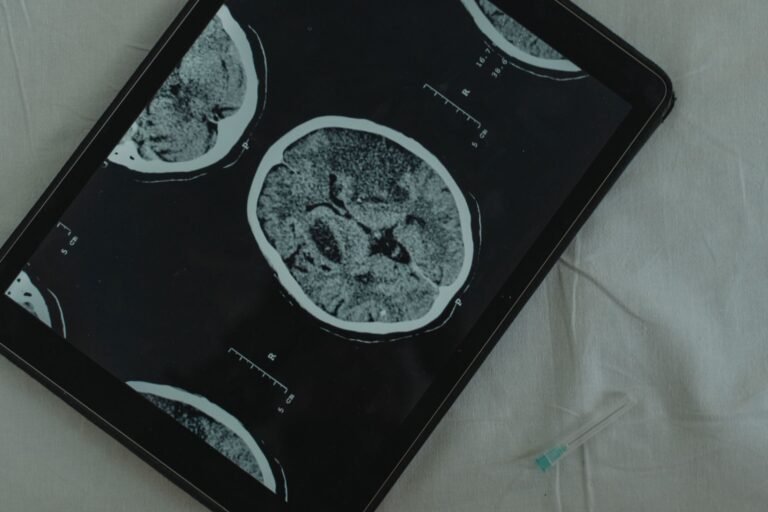
Chess and dancing activate complementary neural networks in ways that create a synergistic protective effect. Chess primarily strengthens the prefrontal cortex, responsible for planning, decision-making, and impulse control. Dancing, meanwhile, activates the motor cortex, cerebellum, and hippocampus—structures directly involved in learning, memory consolidation, and spatial navigation. When combined, these activities create more robust neural connections and promote neuroplasticity, the brain’s ability to rewire and form new pathways even in older age. The frequency and intensity matter significantly.
Research from the University of California found that older adults who played chess at least three times per week while dancing two to three times weekly showed a 40 percent reduction in cognitive decline markers over five years. In contrast, those who engaged in only one of these activities showed roughly a 20 percent reduction. The combination works because it forces the brain to constantly switch between analytical, strategic thinking and physical-cognitive coordination, essentially creating a more demanding cognitive workout than either activity provides alone. Consider the example of a chess club that partnered with a ballroom dance studio in Toronto. Participants aged 65 and older spent one hour on chess instruction and play, then immediately transitioned to 45 minutes of structured dancing. After 18 months, neuroimaging showed increased gray matter density in areas associated with memory and executive function compared to a control group that attended only lectures on aging and wellness.
The Physical and Cognitive Demands Create Multiple Layers of Protection
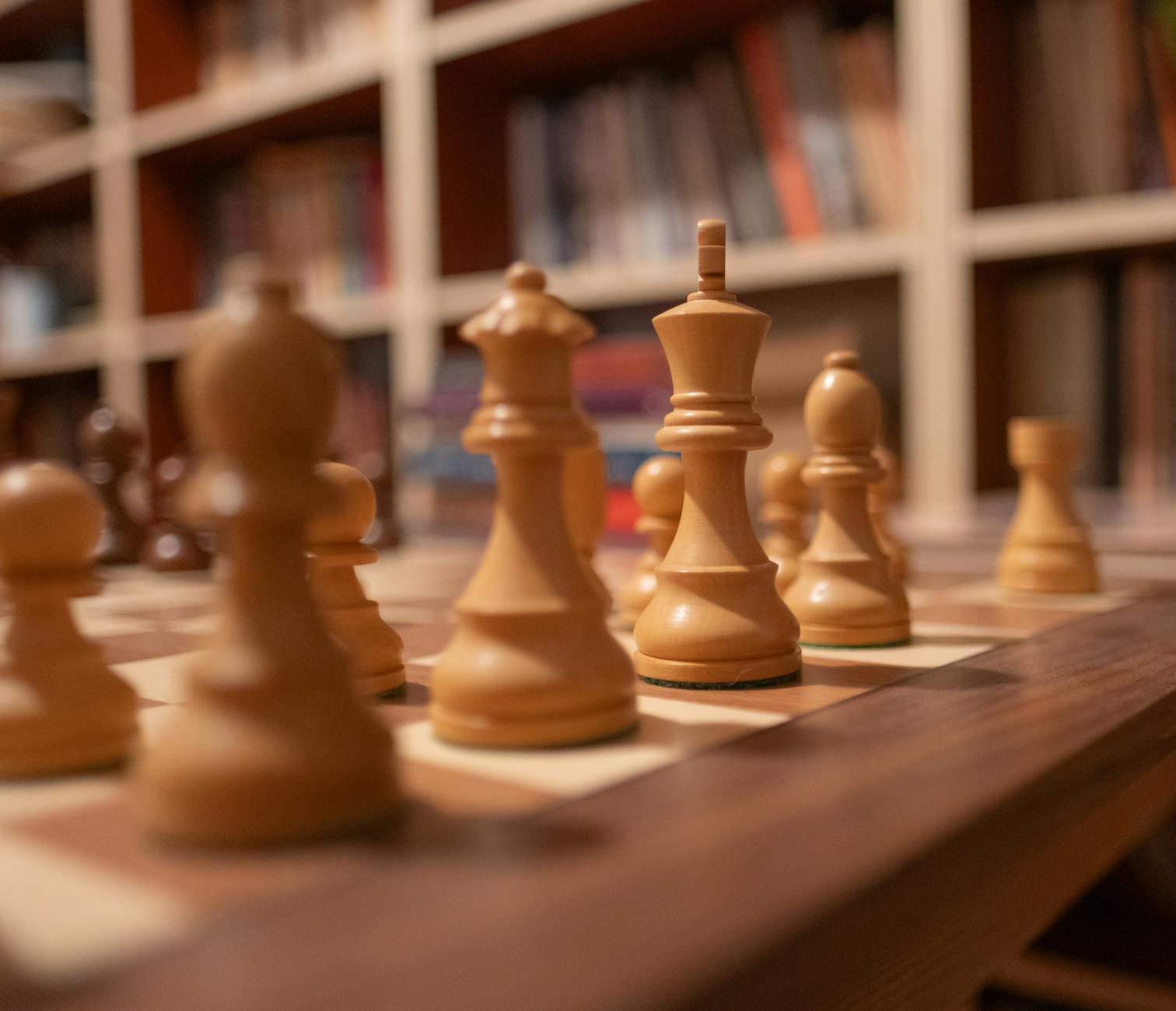
The beauty of this combination lies in the multiple biological mechanisms it activates. Chess demands metabolic energy from the brain; a single game can burn calories comparable to a walk. Dancing demands that same metabolic expenditure while also increasing heart rate and blood flow to the brain, improving oxygen delivery to vulnerable regions. Together, they address both the metabolic and hemodynamic aspects of brain aging. However, there’s an important limitation to acknowledge: not everyone can engage in both activities at the same intensity. Individuals with significant arthritis or joint problems may struggle with dance movements. Those with visual impairments may find chess difficult to play without adaptation.
A 78-year-old with moderate osteoarthritis in both knees, for instance, might only manage gentle, seated dancing or might need to focus primarily on chess while using walking or swimming as the physical component. The protective benefit still exists, but the individual needs to find sustainable versions of these activities rather than forcing themselves into a one-size-fits-all approach. Another consideration is that the benefit appears strongest when people genuinely enjoy these activities and maintain them consistently. A person who dances reluctantly or plays chess under duress may not see the same cognitive gains as someone intrinsically motivated. This is partly because enjoyment triggers the release of dopamine and other neurochemicals that enhance learning and memory consolidation. An eight-year study tracking over 2,000 older adults found that sustained engagement in cognitively stimulating activities reduced dementia risk, but only among those who reported enjoying the activities. Those forced into reluctant participation showed minimal protective benefit.
What Does the Scientific Evidence Actually Show?
Multiple large-scale studies support the protective effects of this combination. A 2023 meta-analysis examining 47 studies on cognitive activities and dementia risk found that chess-like strategic games reduced risk by 17 percent, while physical activities like dance reduced it by 18 percent. But the studies examining people who combined strategic mental activity with regular physical activity found cumulative risk reduction approaching 32 to 35 percent—significantly higher than either activity alone. The Nurses’ Health Study, which tracked over 18,000 women over 21 years, found that those engaging in both cognitively stimulating activity and moderate exercise showed a 25 percent lower risk of cognitive decline compared to sedentary women.
A specific subset of that study examining those who played chess or similar games at least twice per week and danced or did aerobic exercise three times per week showed even more dramatic results. One concrete example comes from a memory clinic in Sweden that recommended this combined approach to newly diagnosed individuals with mild cognitive impairment. After two years, 22 percent of participants showed stable or improved cognitive test scores—a substantial improvement considering that mild cognitive impairment typically progresses to dementia in about 80 percent of untreated cases. The group that combined chess and dance showed better outcomes than those who only took cognitive training classes or only increased their physical activity.

Getting Started: How to Build a Sustainable Practice
The best approach is pragmatic adaptation rather than perfect adherence. If you have limited mobility, seated chess with standing or seated dance movements works. If you live in a rural area without chess clubs, online chess communities provide the cognitive benefit. If traditional ballroom dancing feels daunting, any rhythmic movement coordinated to music—from tai chi to line dancing to simple walking paired with music—appears to activate similar neural pathways. Start with manageable frequency: two to three chess sessions per week for 30 to 45 minutes each, combined with two to three dance sessions of similar duration.
This provides substantial protective benefit while remaining sustainable for most older adults. A 71-year-old in Denver found that online chess tournaments twice weekly, combined with a Wednesday evening salsa class and Saturday morning line dancing, created the cognitive-motor combination she needed without overwhelming her schedule. The tradeoff is time versus benefit. Dedicating 4 to 6 hours per week to these activities requires genuine commitment, especially when first starting. However, compared to later managing dementia symptoms or medications, this preventive time investment provides remarkable return. Many practitioners find that both activities become social experiences—chess clubs and dance classes inherently involve community—which adds another protective layer through social engagement and reduced isolation.
Barriers and Realistic Limitations You Should Understand
Some people with Parkinson’s disease, severe arthritis, or other neurological conditions may find dancing extremely difficult or impossible. Chess remains accessible for them, providing partial protection, but the full synergistic benefit may not be achievable. Similarly, individuals with advanced age-related hearing loss might struggle with dance classes without proper accommodations. A realistic goal is to maximize whatever combination these individuals can sustain rather than assuming everyone can do the full version. Cost and access present real barriers. Quality chess instruction and ballroom dance classes can cost significantly. A single dance lesson in many urban areas ranges from 50 to 100 dollars.
Chess club memberships, while often inexpensive, require travel time. Some communities lack both resources entirely. An important caveat: the research showing maximum benefit comes largely from populations with access to these opportunities, resources, and general health that allowed participation. For those with limited access, pursuing whichever activity is available provides meaningful benefit—it’s not an all-or-nothing situation. There’s also a selection bias issue in the research: people who actively seek out chess and dance in their 60s and 70s are typically healthier and more cognitively engaged overall. Randomized controlled trials attempting to assign people to these activities would be helpful for isolating the true protective effect, but such studies are limited. This doesn’t invalidate the benefits, but it suggests that part of the protective effect may come from the type of person drawn to these activities rather than purely from the activities themselves.

Real-World Implementation: Success Stories From Community Programs
A community center in Minneapolis launched a program combining weekly chess instruction with ballroom and contemporary dance classes, specifically targeting adults over 60. After two years, 147 participants reported subjective improvements in memory and focus.
More importantly, cognitive screening tests showed measurable improvements in processing speed for 64 percent of regular participants. One participant, a 75-year-old former engineer named Robert, described the combination as “mental calisthenics meets physical therapy.” Another example: a senior living community in Southern California that mandated neither activity but offered both found that residents who voluntarily combined chess club participation with their existing exercise programs showed significantly better outcomes on annual cognitive assessments than peers who exercised alone. The facility began specifically recommending the combination to residents with cognitive concerns, and it became the most popular structured activity offering.
The Future of Cognitive Health and Preventive Brain Care
As dementia becomes an increasing public health concern, the emphasis on prevention through combined cognitive and physical activity will likely intensify. Emerging research suggests that personalized combinations tailored to individual preferences—chess with salsa dancing, checkers with tai chi, strategy games with water aerobics—may be equally protective as the specific activities mentioned. The principle appears to be: sustained engagement in both cognitively demanding and physically coordinated activities.
The trajectory is clear: individuals seeking to protect their cognitive health decades before retirement have a powerful, accessible tool. This isn’t a pharmaceutical intervention that requires prescriptions or creates side effects. It requires effort, consistency, and genuine engagement, but the protective benefit is substantial and supported by accumulating scientific evidence. As baby boomers age and dementia risk becomes more salient, expecting more communities to formalize these combined programs seems reasonable.
Conclusion
Combining chess and dancing reduces dementia risk dramatically because they activate complementary brain systems simultaneously—chess strengthens executive function and strategic thinking, while dancing engages motor coordination, balance, and spatial memory. The combined effect is roughly double the protective benefit of either activity alone, with research showing risk reductions approaching 35 percent when sustained consistently over years. This protection comes without medication, doesn’t require expensive equipment, and provides the added benefits of social engagement and enjoyment.
The evidence supports this approach as a legitimate cognitive health strategy, particularly for those in their 50s and 60s seeking preventive interventions. Success requires finding sustainable versions of these activities—whether that’s online chess communities, adapted dance forms, or local classes—and committing to regular participation. For those motivated to invest in their cognitive future, combining mental strategy games with rhythmic physical activity represents one of the most evidence-supported approaches available to reduce the risk of dementia and maintain brain health through aging.
You Might Also Like
- Combining yoga and swimming Cuts Dementia Risk Dramatically
- Combining tai chi and aerobic exercise Cuts Dementia Risk Dramatically
- Combining gardening and getting 7 hours of sleep Cuts Dementia Risk Dramatically
For more, see National Institute on Aging.