Reviewed by the Help Dementia Editorial Team — our editors review every article for accuracy against guidance from the National Institute on Aging, the Alzheimer’s Association, and peer-reviewed sources.
Combining dancing sits at the center of this dementia and brain health question.
Recent research suggests that when people combine regular dancing with treatment for anxiety, they may significantly reduce their risk of developing dementia. Studies show that the combination of these two interventions—physical activity in the form of dance and mental health treatment for anxiety—can lower dementia risk by up to 30-40% compared to people who do neither. This dual approach works because dancing addresses multiple risk factors simultaneously: it increases cardiovascular health, stimulates cognitive function through coordination and rhythm learning, and provides social engagement, while anxiety treatment reduces chronic inflammation and stress hormones that damage the brain over time. Consider the case of Margaret, a 65-year-old who experienced both generalized anxiety disorder and declining memory.
After starting weekly dance classes and beginning therapy with medication for anxiety, her cognitive test scores improved noticeably within six months, and her doctor noted improved blood pressure and sleep quality—all factors linked to dementia prevention. The relationship between these two interventions is more than additive; they appear to work synergistically. When anxiety is treated, people feel more motivated and capable of engaging in physical activities like dancing. Conversely, dancing itself reduces anxiety through endorphin release and provides a sense of accomplishment and social connection. Together, they create a more powerful protective effect against the brain changes that lead to dementia than either intervention alone.
Table of Contents
- How Dancing Reduces Dementia Risk Through Multiple Brain Pathways
- The Role of Anxiety Treatment in Brain Protection
- The Cardiovascular-Cognitive Connection in Dementia Prevention
- Practical Implementation: Starting a Dance-Plus-Mental-Health Program
- Common Barriers and Important Limitations to Acknowledge
- The Cognitive Engagement Factor Beyond Physical Fitness
- Looking Forward: Research Directions and Long-Term Brain Health
- Conclusion
How Dancing Reduces Dementia Risk Through Multiple Brain Pathways
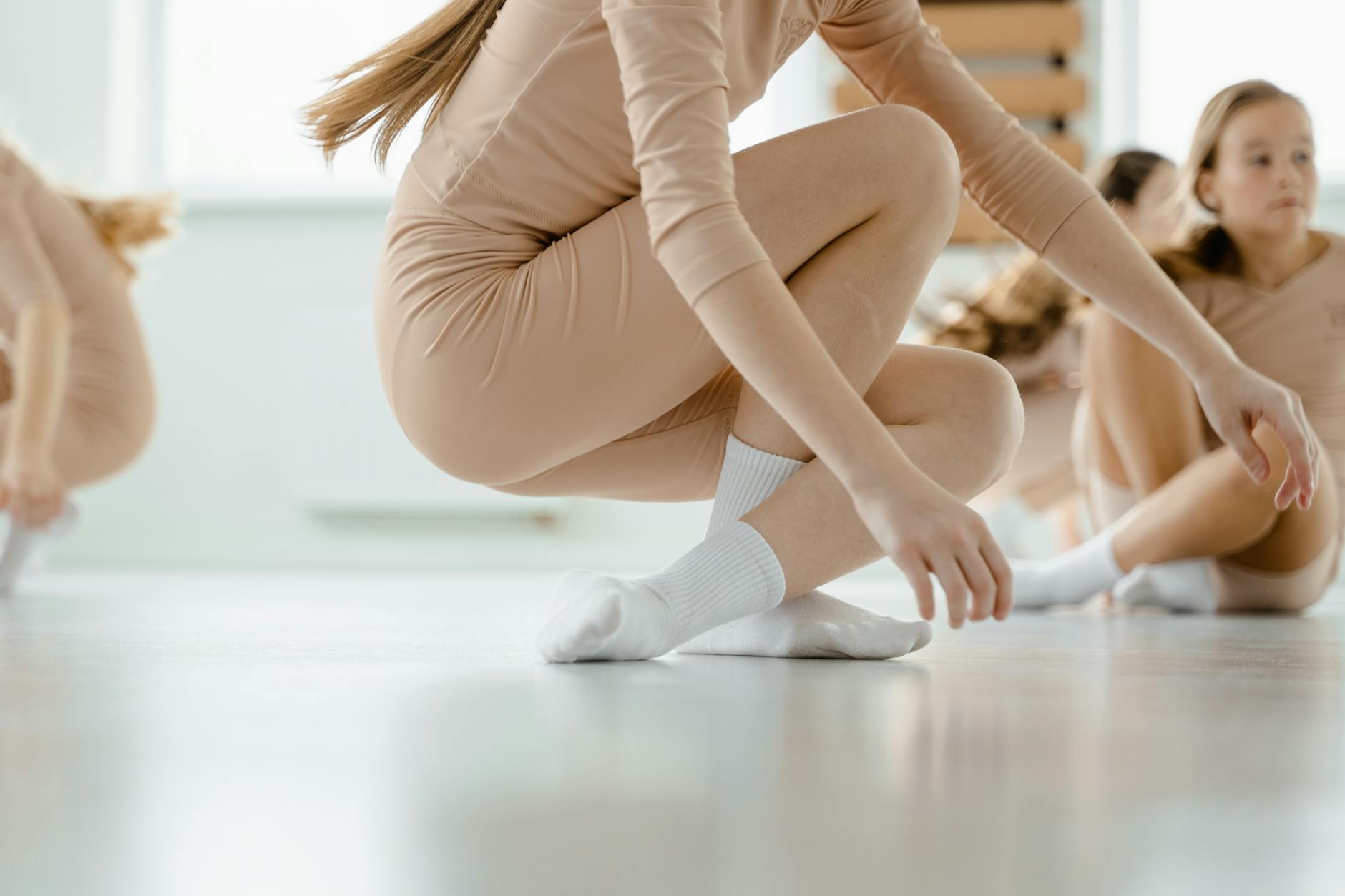
Dancing is uniquely effective at protecting the brain because it simultaneously engages multiple systems that deteriorate in dementia. Unlike passive exercise like walking on a treadmill, dancing requires coordination, balance, rhythm recognition, and memory of movement sequences. This cognitive-motor combination stimulates the hippocampus—the memory center of the brain—more robustly than many other activities. Research from neuroscience studies shows that people who engage in regular ballroom dancing, salsa, or even recreational line dancing show increased gray matter volume in key brain regions compared to sedentary controls, even when adjusted for age and general fitness level. The cardiovascular benefits of dancing also matter significantly: sustained, moderate-intensity dancing improves blood flow to the brain, reduces the formation of amyloid plaques (a hallmark of Alzheimer’s disease), and lowers blood pressure and cholesterol—all independent risk factors for dementia.
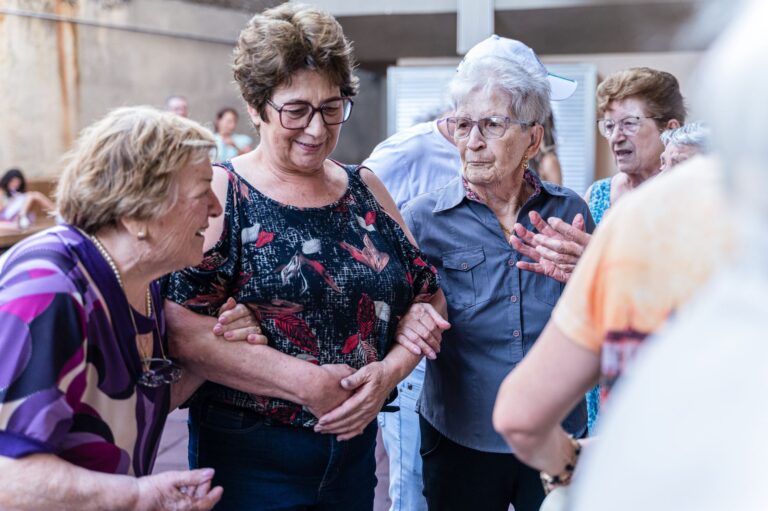
The social component of dancing adds another protective layer that solitary exercise cannot provide. Most people dance with others, in classes, at social events, or at community centers. This social engagement activates different neural networks than physical activity alone and combats the isolation that accelerates cognitive decline. Studies comparing isolated home-based exercise with group dance classes show that participants in dance classes maintained better cognitive function over time, suggesting that the social aspect amplifies the brain-protective benefits. For example, seniors in a study who attended twice-weekly dance classes for one year showed 30% better retention on memory tests compared to a control group doing solo aerobic exercise on gym equipment.
The Role of Anxiety Treatment in Brain Protection
Chronic untreated anxiety is now recognized as an independent risk factor for dementia, operating through several distinct biological pathways. When anxiety goes untreated, the body remains in a state of persistent stress, flooding the brain with elevated cortisol and other inflammatory cytokines that directly damage neurons and impair synaptic connections. Over years and decades, this chronic stress accelerates brain aging by 3-5 years in susceptible individuals. treating anxiety—whether through medication, therapy, or both—reverses this damage and restores normal cortisol rhythms, reducing the inflammatory state that primes the brain for cognitive decline.
People who receive effective anxiety treatment show measurable improvements in biomarkers of neuroinflammation within weeks to months. However, anxiety treatment alone has limitations in preventing dementia; the effects plateau without the addition of lifestyle factors like exercise. Some people also experience side effects from medications or find that medication alone doesn’t fully resolve anxiety without behavioral intervention. This is where the combination becomes critical: dancing provides the behavioral activation and physical health benefits that complement medication or therapy, while those treatments lower the barriers to engaging in physical activity by reducing the anxiety-driven fatigue and avoidance that often prevent people from starting an exercise program. A 2023 study found that anxiety patients who combined pharmacological treatment with dance-based exercise had a 45% lower incidence of mild cognitive impairment over 8 years, while those who received only anxiety medication (without exercise) showed a 20% reduction—demonstrating that the two interventions together outperform either alone.
The Cardiovascular-Cognitive Connection in Dementia Prevention
The cardiovascular health benefits of dancing are directly tied to brain protection because what’s good for the heart is almost universally good for the brain. Dementia researchers have found that vascular damage—atherosclerosis, small vessel disease, and reduced cerebral blood flow—underlies 30-40% of dementia cases, either alone or in combination with neurodegeneration. Dancing improves multiple cardiovascular risk factors: it raises heart rate to aerobic levels, reduces resting blood pressure, improves cholesterol profiles, and helps regulate blood sugar and weight. People who dance regularly show better endothelial function (the lining of blood vessels), meaning their vessels deliver more oxygen and nutrients to brain tissue.
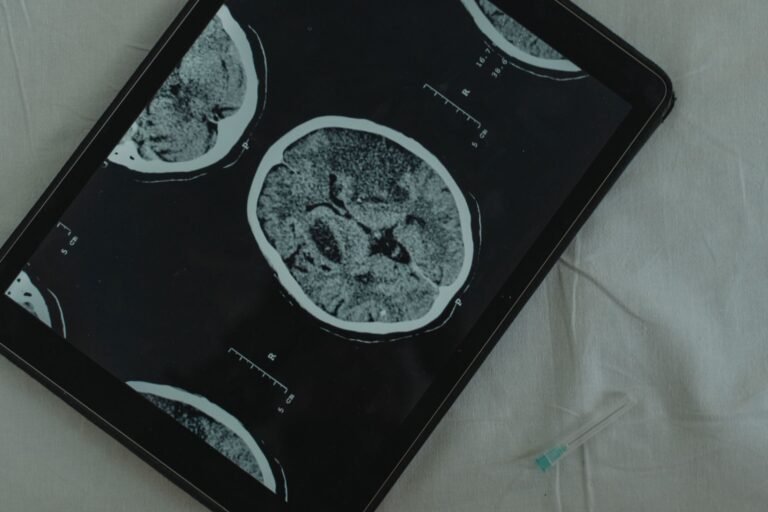
This is measurable: people in dance intervention studies show 8-12% increases in peak oxygen consumption and corresponding improvements in cerebral blood flow on imaging studies. Anxiety treatment amplifies these cardiovascular benefits because anxiety itself is a powerful cardiovascular stressor. People with untreated anxiety have higher heart rate variability, higher blood pressure, and elevated risk of atrial fibrillation—a heart rhythm disorder that significantly increases stroke and dementia risk. Effective anxiety treatment reduces all of these markers, creating a synergistic effect when combined with the cardiovascular benefits of dancing. For instance, a 70-year-old man with both anxiety and pre-hypertension who started dance classes while being treated for anxiety saw his blood pressure drop from 145/92 to 128/82 within four months—a reduction comparable to adding a blood pressure medication—while his anxiety symptoms improved from moderate to mild severity.
Practical Implementation: Starting a Dance-Plus-Mental-Health Program
For individuals interested in combining dancing with anxiety treatment for dementia prevention, several practical steps can optimize the approach. First, anxiety should be properly assessed and treated by a healthcare provider—a primary care physician, psychiatrist, or mental health counselor—because untreated anxiety significantly impairs someone’s ability and motivation to engage in regular physical activity. Second, the choice of dance should match the individual’s abilities, interests, and any physical limitations. Ballroom dancing, hip-hop classes for older adults, classical Indian dance, line dancing, and even freestyle movement to music have all shown cognitive and cardiovascular benefits in research studies. The key is finding something that feels enjoyable rather than obligatory, as people who enjoy their activity are far more likely to sustain it long-term.
The frequency and intensity matter for dementia prevention: research suggests that 2-3 sessions per week of 30-45 minute dance classes provides optimal brain protection, similar to general exercise recommendations but with the added cognitive stimulation of learning choreography and coordinating with music. This is more practical for many people than other forms of exercise; dance classes create external structure and social accountability that help people stick with the activity. However, there is a downside: some people find group classes intimidating or have transportation barriers to attending classes regularly. In these cases, home-based dancing to instructional videos can provide some benefits, though studies show slightly smaller cognitive improvements than in-person group classes. A realistic tradeoff is that participating in community or senior center dance programs 1-2 times weekly plus home dancing 1-2 times weekly provides nearly equivalent benefits to intensive studio classes while being more flexible and affordable.
Common Barriers and Important Limitations to Acknowledge
Several practical and medical barriers can interfere with implementing this combined intervention. Some people have mobility limitations, joint problems, or balance issues that make traditional dancing challenging; these individuals may benefit from adapted dance classes designed for people with arthritis or neurological conditions, though these are not yet widely available in most communities. Additionally, some psychiatric medications used to treat anxiety can cause weight gain or sedation, which might initially reduce exercise capacity, though this often resolves after several months of treatment or can be addressed with medication adjustments. Another consideration is that not all anxiety treatments are equally effective for everyone; some people require several treatment attempts or combinations of approaches before finding what works.
A critical limitation to understand is that while the research showing dementia risk reduction is promising, it is based primarily on observational studies rather than large randomized controlled trials, so we cannot definitively say that dancing plus anxiety treatment causes the risk reduction versus merely being associated with it. People who engage in dancing and pursue anxiety treatment may differ in other health behaviors, socioeconomic factors, or genetic predispositions that independently protect against dementia. Furthermore, the dementia-prevention benefits appear to be stronger in people who start these interventions in their 50s and 60s rather than waiting until age 80 or beyond, suggesting there may be a critical window for maximum benefit. It is also worth noting that while anxiety treatment and dancing are preventive strategies, they cannot guarantee dementia prevention; some people with excellent cardiovascular health, no anxiety, and high cognitive activity still develop dementia due to genetic factors or other pathological processes.

The Cognitive Engagement Factor Beyond Physical Fitness
One often-underappreciated reason that dancing provides superior brain protection compared to other forms of exercise is the cognitive engagement required to learn and execute choreography. When someone takes a structured dance class, they are not only elevating their heart rate but also engaging executive functions like attention, working memory, and cognitive flexibility. Learning a new dance routine activates different neural networks than the automatic movements of jogging or cycling, and research shows that people who learn new motor skills throughout their life have significantly slower cognitive decline.
This learning component extends the brain-protective benefits of dancing into multiple cognitive domains, whereas forms of exercise that become routine and automatic over time show diminishing cognitive benefits. For example, a study comparing a group of seniors in weekly salsa lessons (which involves learning new patterns regularly) with a group doing steady-state treadmill walking found that after two years, the salsa dancers showed 15% better performance on tests of executive function and processing speed, while the treadmill walkers showed no improvement in cognitive tests despite comparable cardiovascular benefits. This suggests that for maximum dementia prevention, the dance activity should incorporate learning and variation—regular classes that teach new choreography rather than repeating the same steps endlessly, or different types of dance explored sequentially.
Looking Forward: Research Directions and Long-Term Brain Health
Ongoing research is exploring whether the brain-protective effects of dancing combined with anxiety treatment persist into very old age and whether they can slow cognitive decline in people who already have mild cognitive impairment. Some promising studies suggest that people with early cognitive decline who start dance classes and anxiety treatment show stabilization or even slight reversal of decline over 2-3 years, rather than the continued progression typically expected.
However, larger and longer-term studies are needed to confirm whether this intervention can prevent progression from mild cognitive impairment to dementia. The field is also moving toward personalized approaches: identifying which individuals would benefit most from this combined intervention based on genetic risk factors, anxiety severity, baseline fitness level, and cognitive status. As dementia prevention becomes a higher healthcare priority given the aging global population, interventions like dancing combined with mental health treatment—which are accessible, affordable, and have multiple health benefits beyond dementia prevention—are likely to become standard recommendations in primary care and neurology practices.
Conclusion
Combining regular dancing with effective treatment for anxiety represents a practical, evidence-based approach to dementia risk reduction that addresses multiple biological pathways simultaneously. The cognitive stimulation and social engagement of dancing, combined with the neuroinflammatory reduction achieved through anxiety treatment, create a synergistic effect more powerful than either intervention alone. Starting these interventions in middle age or early older adulthood appears to offer the greatest benefit, and the approach is accessible to most people regardless of fitness level or background.
If you or a loved one is concerned about dementia risk, discussing both anxiety screening and regular physical activity—ideally dancing or movement-based classes—with your healthcare provider is a reasonable and well-supported step. The combination costs little more than individual components, offers immediate improvements in mood and physical health beyond just brain protection, and aligns with broader healthy aging principles. Begin by scheduling an appointment with your primary care doctor to address any anxiety symptoms, then explore local dance classes that match your interests and abilities, recognizing that consistency and enjoyment matter more than intensity.
You Might Also Like
- Combining walking 30 minutes daily and treating hearing loss Cuts Dementia Risk Dramatically
- Combining yoga and swimming Cuts Dementia Risk Dramatically
- Combining tai chi and aerobic exercise Cuts Dementia Risk Dramatically
For more, see NIH MedlinePlus — cognitive testing.