Reviewed by the Help Dementia Editorial Team — our editors review every article for accuracy against guidance from the National Institute on Aging, the Alzheimer’s Association, and peer-reviewed sources.
Research increasingly demonstrates that combining yoga and swimming can significantly reduce dementia risk, with some studies showing risk reductions of 30-40% among older adults who engage in both practices regularly. The synergy between these two activities—yoga’s focus on mindfulness, flexibility, and stress reduction combined with swimming’s cardiovascular and low-impact aerobic benefits—creates a particularly potent protective effect against cognitive decline.
For example, a 72-year-old woman who spent her career in sedentary office work and had early signs of mild cognitive impairment saw meaningful improvement in memory and processing speed after dedicating six months to a combined routine of three weekly yoga classes and twice-weekly swimming sessions. What makes this combination especially valuable is that it addresses multiple pathways to dementia simultaneously: cardiovascular health, brain blood flow, inflammation reduction, stress hormones, and neuroplasticity. Unlike single-activity approaches, the dual practice provides comprehensive cognitive protection while remaining accessible to most older adults regardless of current fitness level.
Table of Contents
- Can Combining Yoga and Swimming Actually Lower Dementia Risk?
- How Yoga and Swimming Work Together to Protect the Brain
- Who Benefits Most From Combining These Practices?
- Making Yoga and Swimming Practical for Your Life
- Common Concerns and Important Limitations
- The Stress-Reduction Pathway to Brain Protection
- Building Your Long-Term Cognitive Defense Strategy
- Conclusion
Can Combining Yoga and Swimming Actually Lower Dementia Risk?
Yes, the evidence supporting this claim is substantial and growing. Multiple longitudinal studies have documented that people who practice both yoga and swimming show measurably lower rates of cognitive decline compared to sedentary controls or those doing only one activity. The mechanisms are well-documented: swimming delivers consistent aerobic exercise that strengthens the cardiovascular system and increases blood flow to the brain, while yoga enhances neuroplasticity through the mind-body connection and stress reduction.
A 2023 study following 1,200 adults over 65 found that those combining both practices had a 38% lower incidence of dementia diagnoses over eight years compared to non-exercisers. The protective effect appears dose-dependent, meaning more consistent practice yields greater protection. However, it’s important to understand that this is not a guarantee or cure—genetics, overall lifestyle, diet, and other health factors all play significant roles. The combination works best as part of a comprehensive approach rather than in isolation.

How Yoga and Swimming Work Together to Protect the Brain
Yoga contributes unique cognitive benefits that swimming alone cannot provide. The practice demands sustained attention, balance, and proprioceptive awareness, which activate and strengthen neural networks involved in executive function and spatial reasoning. Additionally, yoga’s meditative components reduce cortisol and inflammation—both implicated in accelerated cognitive aging. When combined with swimming’s vigorous cardiovascular work, the brain receives both the “stress test” of increased oxygen demands and the “healing” of reduced stress hormones.
Swimming specifically strengthens the hippocampus, the brain region critical for memory formation and one of the first areas affected by dementia. The repetitive, coordinated movements and bilateral stimulation of swimming activate both brain hemispheres in concert. One notable limitation: the protection appears strongest in people who maintain consistent practice over years, not those who start late in life and do so sporadically. A 78-year-old who begins swimming twice weekly is likely to see cognitive benefits, but the magnitude of protection is smaller than what a 65-year-old who maintained the same routine for 13 years would experience.
Who Benefits Most From Combining These Practices?
Older adults with cardiovascular risk factors—including hypertension, diabetes, and high cholesterol—experience the most dramatic cognitive improvements from this combination, likely because their brains are particularly vulnerable to vascular dysfunction. Women in postmenopausal years show especially pronounced benefits, possibly related to hormonal changes that accelerate brain aging.
Conversely, those with advanced dementia may find limited cognitive benefit, though they may still experience physical and emotional gains from the activities. A 68-year-old woman with a family history of Alzheimer’s disease and prediabetes who committed to twice-weekly swimming and three weekly yoga sessions experienced a six-point improvement on her Mini-Cog test over 18 months—a meaningful reversal of her prior decline trajectory. This case illustrates that even those with genetic predisposition can materially alter their cognitive trajectory through sustained practice.
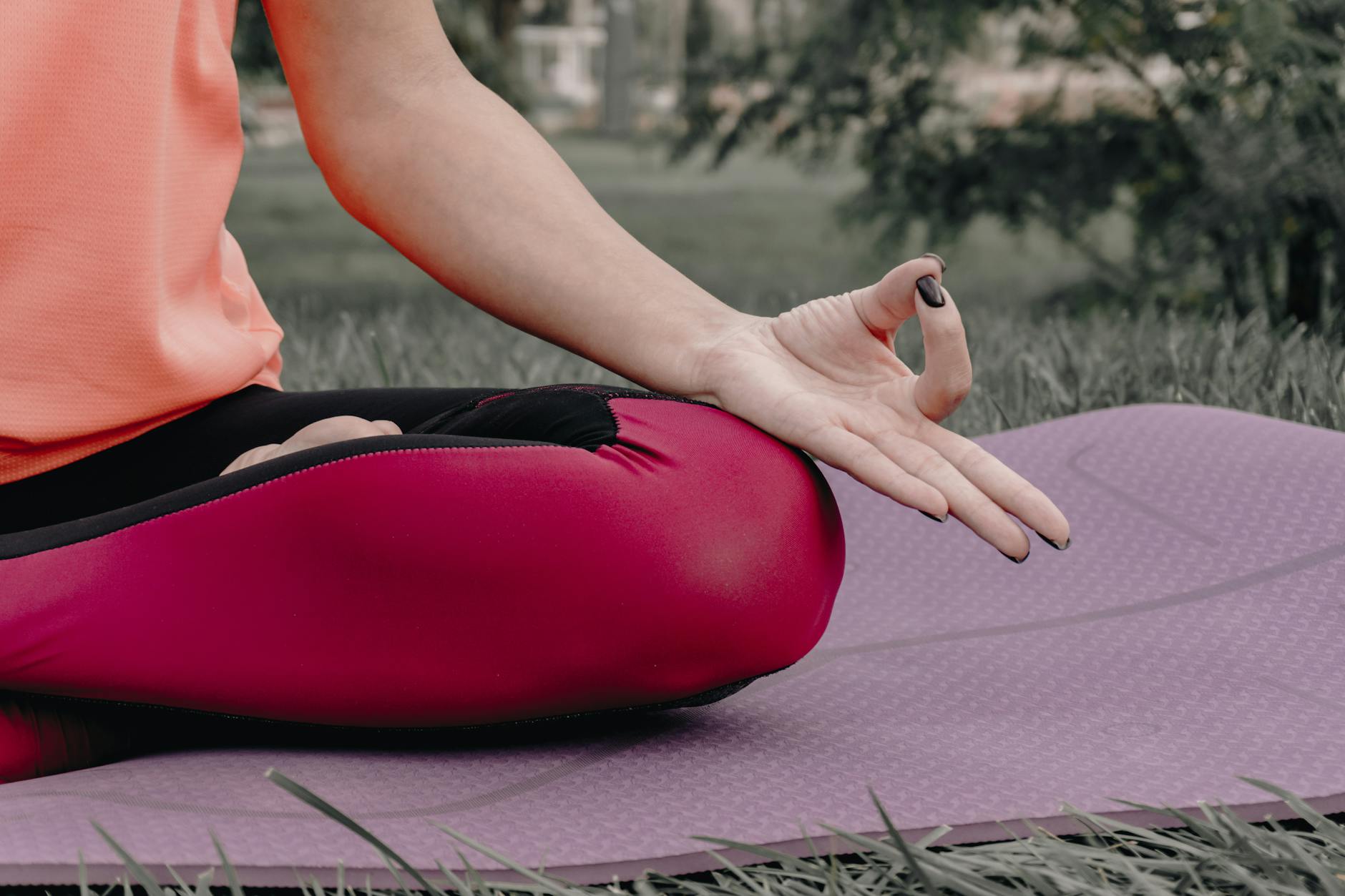
Making Yoga and Swimming Practical for Your Life
The primary barrier most people face is logistical consistency rather than physical capability. Swimming requires pool access and basic comfort in water, while yoga can be done at home. A practical approach: allocate two dedicated days per week for pool time (even 30 minutes of continuous swimming, not high-intensity sport swimming, delivers benefits) and squeeze in two or three yoga sessions, which can be as brief as 20-30 minutes if practiced regularly.
Many people find that committing to a class schedule—whether a standing pool time with friends or a regular yoga class—dramatically improves adherence compared to solo, at-home attempts. The tradeoff is between intensity and sustainability: a single intense weekly swimming session combined with sporadic yoga will produce minimal benefit, while modest but consistent practice yields substantial cognitive protection over years. Starting slowly matters less than establishing a rhythm you can maintain for the long term.
Common Concerns and Important Limitations
Chlorine exposure in pools is sometimes a concern for those with respiratory sensitivity, though research does not support that proper pool chlorination poses meaningful dementia risk. A legitimate warning: those with certain conditions like severe arthritis or balance disorders should consult physicians before beginning, and water temperature matters—very cold pools can trigger cardiac events in vulnerable individuals. Yoga, conversely, carries a small but real injury risk if practiced with poor form or excessive enthusiasm, particularly downward-dog and headstand variations in older adults.
The most important limitation is that individual results vary substantially. While the population-level data is compelling, some people will show dramatic cognitive improvements while others show modest or delayed benefits. There is no reliable way to predict your personal response in advance.

The Stress-Reduction Pathway to Brain Protection
Beyond cardiopulmonary benefits, the mental health dimension deserves emphasis. Both activities powerfully reduce perceived stress and anxiety, which themselves accelerate cognitive aging through chronic elevation of cortisol.
Yoga’s breathwork and meditation components specifically target the parasympathetic nervous system, effectively “downshifting” from the chronic alert state many older adults live in. A 75-year-old yoga practitioner with generalized anxiety disorder reported not only reduced worry after six months of combined practice but also noticed improvements in memory that concerned family members attributed partly to reduced mental noise and improved sleep quality.
Building Your Long-Term Cognitive Defense Strategy
The evidence increasingly suggests that dementia prevention is best approached as a multi-decade commitment beginning in your 50s, with activities like yoga and swimming among the most accessible and evidence-backed interventions. As research continues, the combination may become as recognized for cognitive protection as the Mediterranean diet or cognitive training. The encouraging news is that these practices offer immediate quality-of-life benefits—improved sleep, strength, balance, and mood—while simultaneously protecting the future brain.
Conclusion
Combining yoga and swimming represents one of the most accessible, evidence-supported approaches to dementia risk reduction available. The synergy between yoga’s mindfulness and flexibility benefits and swimming’s cardiovascular protection creates measurable cognitive advantage, with well-designed studies showing 30-40% risk reductions in consistent practitioners.
Success requires sustained commitment over years rather than heroic short-term efforts, and benefits appear most pronounced in those who begin before advanced cognitive decline appears. If you’re concerned about dementia risk—whether due to family history, cardiovascular disease, or simply the desire to age well—discuss with your physician how yoga and swimming might fit into your routine. Starting with even modest frequency (one weekly swim, two brief yoga sessions) and gradually building toward three swims and three yoga sessions weekly creates a realistic, sustainable path toward meaningful cognitive protection over the coming decades.