Reviewed by the Help Dementia Editorial Team — our editors review every article for accuracy against guidance from the National Institute on Aging, the Alzheimer’s Association, and peer-reviewed sources.
Predict disease sits at the center of this dementia and brain health question.
Research is increasingly helping doctors and families understand how dementia and other neurodegenerative diseases will progress in individual patients. By analyzing combinations of biomarkers, brain imaging, genetic factors, and cognitive patterns, scientists can now make more accurate predictions about disease trajectory—how quickly symptoms will worsen, which cognitive abilities will be affected first, and how the disease might change over years. For example, studies show that people with certain patterns of amyloid and tau buildup in the brain, combined with specific genetic markers, tend to experience faster cognitive decline than those without these markers, allowing clinicians to personalize treatment plans and care strategies accordingly.
These advances matter because dementia progression varies dramatically from person to person. Two patients diagnosed with Alzheimer’s disease at the same age might follow completely different paths—one experiencing rapid memory loss while cognitive function otherwise remains intact, another showing slower decline across multiple domains. Research into prediction helps remove some of this uncertainty, giving families and caregivers realistic timeframes for planning care transitions and supporting patients more effectively.
Table of Contents
- How Does Research Help Predict Disease Progression?
- Biomarkers, Genetics, and Imaging in Predicting Progression
- Cognitive Testing and Clinical Assessments as Predictors
- Using Predictions to Guide Care Planning and Treatment Decisions
- Limitations and Challenges in Predicting Dementia Progression
- Emerging Technologies Improving Predictive Accuracy
- The Future of Personalized Disease Progression Prediction
- Conclusion
- Frequently Asked Questions
How Does Research Help Predict Disease Progression?
Predictive research works by identifying measurable markers that correlate with how quickly a disease advances. scientists gather data from large groups of patients—measuring biomarkers in blood and cerebrospinal fluid, scanning brain structure and function, testing cognitive performance, and documenting genetic profiles. They then track these patients over months or years to see who declines quickly and who remains relatively stable. Machine learning algorithms can process hundreds of data points to identify which combinations of markers best predict future progression, often outperforming doctors’ intuitive judgments alone.
A concrete example is the amyloid-beta and tau signatures found in Alzheimer’s disease research. Studies have shown that patients with both amyloid pathology and elevated tau levels typically progress faster than those with only one or neither. When combined with information about the APOE4 gene (a genetic risk factor), imaging showing brain atrophy, and baseline cognitive test scores, researchers can estimate with growing accuracy whether a patient will show minimal decline over five years or substantial cognitive loss. This predictive power has improved enough that some trials now use these predictions to identify patients most likely to benefit from specific treatments.
Biomarkers, Genetics, and Imaging in Predicting Progression
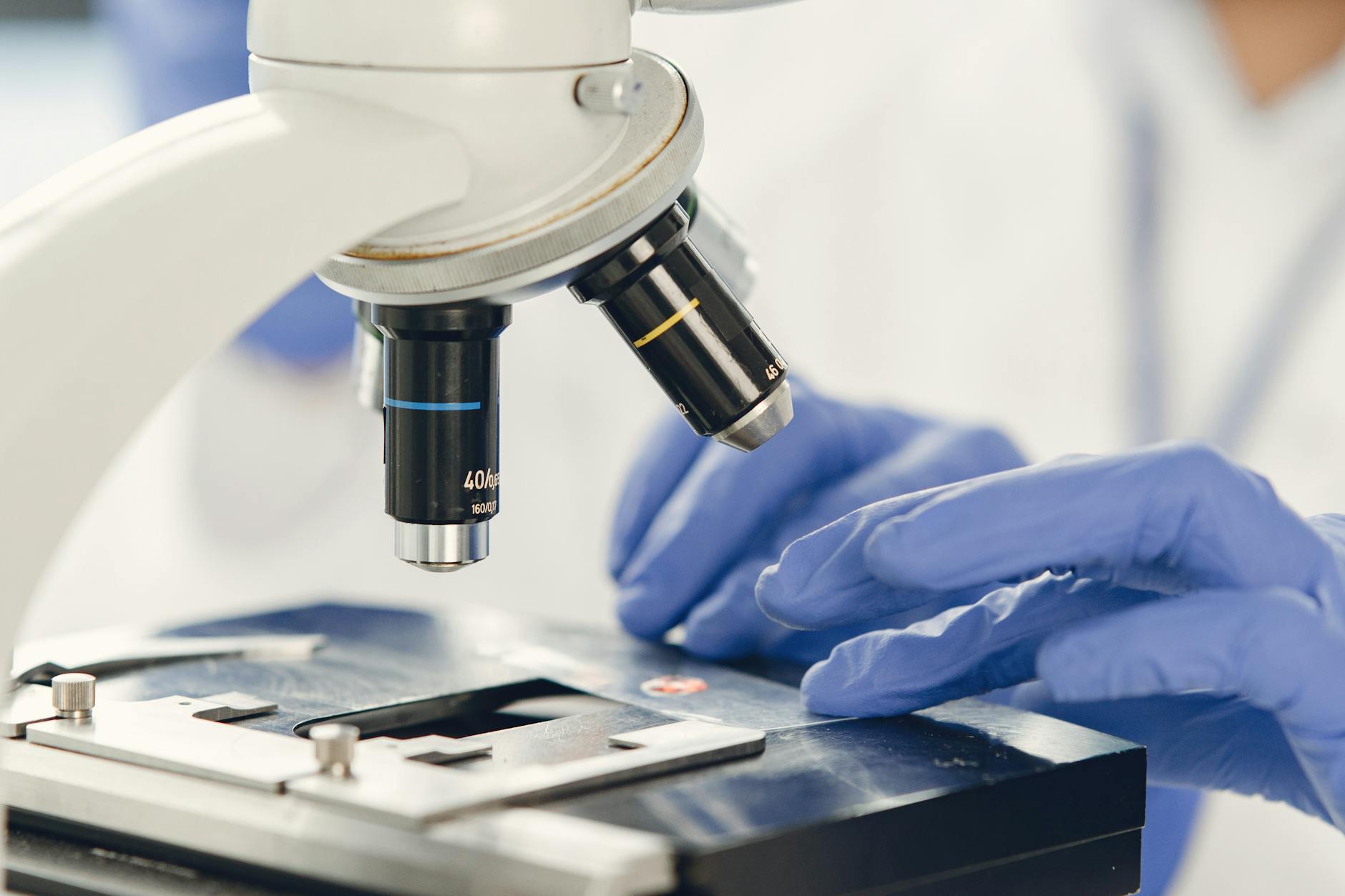
Biomarkers—measurable indicators of disease processes occurring in the brain—form the foundation of modern prediction science. The most extensively studied biomarkers include amyloid-beta, tau, and phosphorylated tau, which accumulate abnormally in Alzheimer’s disease. Blood tests can now detect these proteins years or decades before symptoms appear, offering an early warning system. Brain imaging, particularly PET scans, can visualize where and how extensively these proteins have spread throughout the brain. MRI can measure brain atrophy, showing which regions have already shrunk—a sign of ongoing neurodegeneration.
A significant limitation exists, however: not everyone with high levels of these biomarkers develops dementia or progresses quickly. Some people carry pathological markers but remain cognitively normal, a state researchers call “preclinical Alzheimer’s disease.” This variability means predictions are probabilistic, not deterministic. A test showing concerning biomarker levels might indicate elevated risk, but it cannot guarantee any particular outcome. Clinicians and families must understand that prediction research reduces uncertainty but does not eliminate it. Additionally, most biomarker research has focused on Alzheimer’s disease; understanding of biomarkers for frontotemporal dementia, Lewy body dementia, and vascular dementia remains less developed.
Cognitive Testing and Clinical Assessments as Predictors
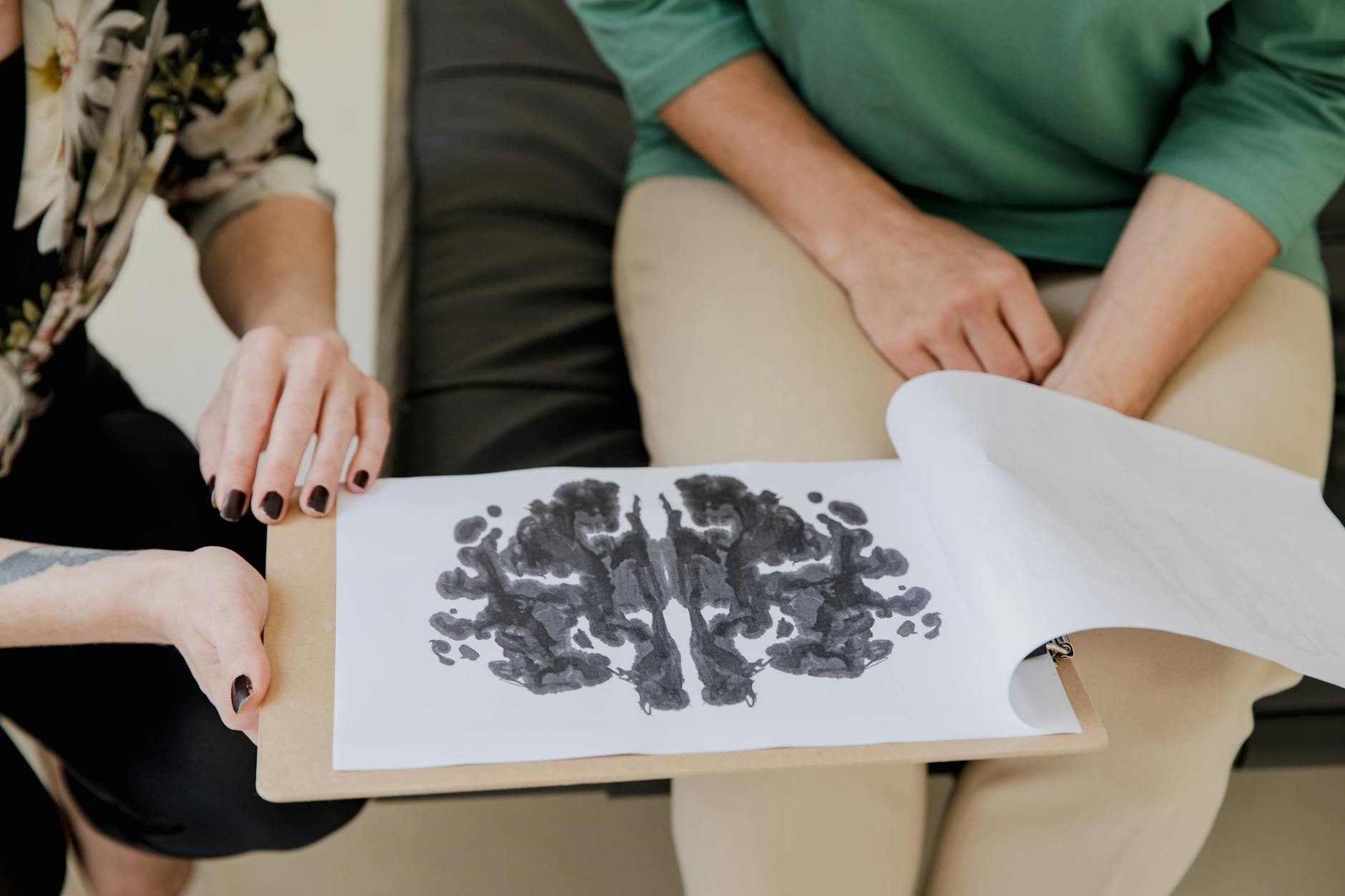
Cognitive testing—measuring memory, attention, language, and executive function—has long been part of dementia assessment, but research is increasingly showing that specific patterns of cognitive decline can predict faster overall progression. Some patients lose memory dramatically while retaining problem-solving skills, while others show the opposite pattern. Tests like the Montreal Cognitive Assessment, the Mini-Cog, and specialized neuropsychological batteries can document these patterns in detail. Studies indicate that patients showing decline across multiple cognitive domains simultaneously—rather than isolated memory problems—tend to have more aggressive disease courses.
A patient scoring poorly on memory, attention, and language tests at baseline and then showing further decline six months later is likely progressing faster than a patient with stable non-memory domains and slight memory changes. Comparing this to single-domain decline is like the difference between a fire spreading across multiple rooms of a house versus fire contained to one area. The broader the neurological impact, the more extensive the underlying brain pathology typically is, suggesting faster overall disease progression. Additionally, greater baseline cognitive impairment often predicts steeper decline trajectories, though individual variation remains substantial.
Using Predictions to Guide Care Planning and Treatment Decisions
When clinicians have reasonable prediction of disease progression, they can help families plan more effectively. A patient predicted to decline rapidly might pursue clinical trials testing disease-modifying treatments more aggressively or arrange care transitions and support systems sooner. A patient with predicted slow progression might feel comfortable maintaining current living arrangements and independence longer. Predictions also help set expectations around which symptoms will likely emerge next—knowing that language decline typically follows memory loss in one form of dementia but precedes it in another shapes both family preparation and care training.
Treatment decisions increasingly depend on prediction research as well. Some medications slow cognitive decline only in patients at certain disease stages; knowing whether a patient is early, middle, or late in their disease course determines whether a medication will likely help. Predictive markers can also identify patients likely to respond to emerging therapies targeting amyloid or tau. The tradeoff is that patients and families must accept that all predictions carry uncertainty and may not perfectly reflect their individual course. Additionally, predictions based on current research might not account for factors researchers haven’t yet identified—new treatments, lifestyle modifications, or unexpected medical changes can alter predicted trajectories.
Limitations and Challenges in Predicting Dementia Progression
One major limitation is that prediction research relies heavily on data from specific populations—often well-educated, white, relatively affluent participants in academic medical centers. Predictions derived from these populations may not apply equally to people of other racial and ethnic backgrounds, different education levels, or in community settings. A patient’s actual progression may differ from predictions because their brain pathology, genetic background, overall health, or unmeasured lifestyle factors create a unique situation not fully captured by group-level research. Another challenge is that disease progression is not linear or inevitable.
Some patients with significant brain pathology maintain cognitive function through what researchers call “cognitive reserve”—essentially, brain resilience built through education, intellectual engagement, and healthy lifestyle. This means someone with high biomarker levels might progress slowly or not at all, defying predictions. Furthermore, medical events like stroke, infection, or medication changes can suddenly accelerate or slow cognitive decline, adding unpredictability to any prediction made months or years earlier. Clinicians must always communicate predictions as probabilities and possibilities, not certainties.

Emerging Technologies Improving Predictive Accuracy
New blood tests are dramatically improving prediction capabilities. Plasma biomarkers—specific proteins in blood samples—can now detect Alzheimer’s pathology as sensitively as cerebrospinal fluid or PET imaging, but with a simple blood draw rather than invasive procedures or expensive scans. Tests measuring phosphorylated tau variants (p-tau181, p-tau217, p-tau 388) show particular promise in predicting progression speed.
Research using artificial intelligence to analyze patterns across many biomarkers simultaneously is identifying novel combinations that predict outcomes even more accurately than any single marker. Advanced brain imaging analysis, including three-dimensional mapping of brain atrophy patterns and artificial intelligence interpretation of subtle imaging changes invisible to the human eye, is also emerging. These technologies are making prediction research more accessible—a simple blood test in a primary care office can now raise or lower risk assessment, eliminating the need for PET imaging or specialized memory clinics in some situations.
The Future of Personalized Disease Progression Prediction
As research accumulates, the vision of truly personalized medicine in dementia care moves closer to reality. In the next five to ten years, a patient newly diagnosed with cognitive concerns might receive a detailed personalized prediction report: the estimated timeline of disease progression, which cognitive domains are likely to be affected in what order, the probability of response to emerging treatments, and recommendations for disease management tailored to their predicted trajectory.
This future also demands continued research diversity—ensuring predictions work equally well for people of all backgrounds and life circumstances. It requires efforts to make predictive testing accessible and affordable beyond academic centers, and training for primary care physicians and geriatricians to interpret predictions appropriately. The goal is not perfect prediction, which remains impossible, but sufficient clarity to help people and families plan meaningful lives despite disease uncertainty.
Conclusion
Research into disease progression prediction represents a significant advance in dementia care. By combining biomarkers, imaging, genetics, and cognitive assessment data, scientists can now estimate with reasonable accuracy how quickly an individual’s condition will likely worsen and which abilities might be affected. This knowledge helps clinicians prescribe appropriate treatments, helps families plan realistic care timelines, and helps patients make informed decisions about their futures while they can still participate in that planning.
At the same time, prediction remains probabilistic and incomplete. Brain resilience, unmeasured factors, and simple individual variation mean that predictions cannot determine any one person’s future with certainty. The most ethical and useful application of this research involves sharing predictions as part of shared decision-making between patient, family, and clinician—providing information that informs but does not dictate the choices ahead. As research continues and technology improves, the accuracy and accessibility of disease progression prediction will likely increase further, bringing personalized dementia care closer to reality.
Frequently Asked Questions
Can blood tests predict how fast my dementia will progress?
Blood tests measuring biomarkers like phosphorylated tau can identify patterns associated with faster progression, but they provide probability estimates, not certainty. Combined with other information like brain imaging and cognitive testing, these tests improve prediction accuracy, but individual variation remains substantial.
If I have amyloid in my brain but no symptoms, will I definitely get dementia?
No. Some people with significant amyloid and tau buildup in their brains never develop cognitive symptoms during their lifetime. Cognitive reserve—built through education, mental activity, and healthy living—can protect against symptom development even with substantial brain pathology.
How accurate are disease progression predictions?
Predictions are increasingly accurate at the group level but remain less precise for individuals. Research suggests that combining multiple prediction markers improves accuracy, but predictions should always be discussed as probabilities rather than certainties.
What should I do if I’m told my disease will progress rapidly?
Use this information to plan proactively. Discuss clinical trial participation with your neurologist, arrange care support systems sooner, communicate wishes and preferences while able, and maintain lifestyle factors like cognitive engagement and physical activity that may help preserve function.
Does a slow progression prediction mean I won’t experience significant decline?
Slow progression means decline is likely to occur more gradually than in others, but decline can still significantly impact quality of life and independence over years. Predictions should not discourage engagement with treatment and preventive care.
Are prediction tests available to me now?
Some biomarker tests and genetic testing are available through memory clinics and research centers, though accessibility varies by location. Speak with your primary care doctor or neurologist about whether prediction testing might be helpful in your situation.
You Might Also Like
- Scientists Test New Methods for Slowing Disease
- Researchers Investigate Biological Factors in Disease Development
- New Tools Aim to Catch Disease Earlier
For more, see Alzheimer’s Association.