Reviewed by the Help Dementia Editorial Team — our editors review every article for accuracy against guidance from the National Institute on Aging, the Alzheimer’s Association, and peer-reviewed sources.
Yes, according to emerging research, memory loss may be preventable—or even reversible in some cases. Recent scientific breakthroughs have moved dementia prevention from theoretical possibility to practical reality, with researchers demonstrating that both pharmaceutical interventions and lifestyle modifications can halt or slow cognitive decline. The evidence is no longer speculative: a recent study of the US POINTER program showed that structured lifestyle interventions improved cognition across all demographic groups, regardless of genetic risk, suggesting that memory loss is not an inevitable consequence of aging.
What makes this moment different from previous decades of research is the combination of multiple, independently validated approaches. We now have animal studies showing memory reversal through CRISPR gene editing, human clinical trials testing gene therapy, pharmaceutical compounds in late-stage development, and conclusive data on lifestyle factors. A 2024 research review identified 14 modifiable risk factors—from physical inactivity and diabetes to hearing loss and social isolation—that, if eliminated, could reduce dementia cases by 45 percent. This doesn’t mean preventing memory loss is simple, but it does mean it’s achievable.
Table of Contents
- What Does the Latest Research Say About Preventing Memory Loss?
- The Role of Lifestyle Modifications in Memory Loss Prevention
- Early Detection and Breakthrough Diagnostics
- Nutritional and Gut-Based Approaches to Brain Health
- Identifying Candidates for Prevention and Genetic Testing
- The Timeline from Laboratory Discovery to Clinical Application
- What This Means for the Future of Brain Health
- Conclusion
What Does the Latest Research Say About Preventing Memory Loss?
The most striking recent finding comes from Virginia Tech researchers who used CRISPR gene-editing tools to correct molecular disruptions in the hippocampus and amygdala—the brain regions most critical for memory. In aging rats with memory loss, this intervention restored memory function, suggesting that memory decline itself may be a treatable condition rather than a permanent state. This work challenges the long-held assumption that aging-related cognitive decline is irreversible, though it’s important to note that this research is still in the animal model phase and has not yet moved to human trials. Northwestern University has taken a different approach with an experimental drug called NU-9, developed to target toxic amyloid beta oligomers—protein clumps associated with Alzheimer’s disease. In mouse models of Alzheimer’s, NU-9 dramatically reduced brain damage and, crucially, was effective even when administered before symptoms appeared.
This positions NU-9 not as a treatment for existing memory loss but as a prevention tool for people at genetic risk. The distinction is important: prevention requires identifying at-risk individuals before symptoms develop, which has been a major barrier until recently. An NIH-funded human trial is now evaluating APOE ε2 gene therapy for individuals with two copies of the APOE ε4 genetic variant—the highest genetic risk factor for Alzheimer’s disease. Participants in this trial have mild cognitive impairment or early dementia, meaning researchers can track whether gene therapy can halt or reverse existing cognitive decline. This represents the first human testing of gene therapy for dementia prevention, though results are still pending.

The Role of Lifestyle Modifications in Memory Loss Prevention
While pharmaceutical and genetic approaches capture headlines, the data on lifestyle interventions is equally compelling and immediately actionable. The 14 modifiable risk factors identified in recent research include conditions that seem unrelated to memory but significantly impact brain health: physical inactivity, uncontrolled diabetes, high blood pressure, obesity, smoking, hearing loss, depression, social isolation, excessive alcohol consumption, traumatic brain injury, limited education in adulthood, high LDL cholesterol, air pollution exposure, and uncorrected vision loss. Addressing these factors simultaneously, rather than in isolation, appears to produce the strongest protective effect. The US POINTER study provided the first large-scale U.S. evidence that structured lifestyle intervention can improve cognition in older adults at risk for cognitive decline. Participants who received weekly physical exercise, cognitive stimulation, and a brain-healthy diet—combined with ongoing health monitoring—showed measurable cognitive improvements. Notably, these improvements occurred across all demographic groups and in participants with different genetic risk profiles, meaning that lifestyle interventions appear to benefit everyone, not just those with favorable genes.
However, the improvement was modest, and the study required intensive, coordinated intervention. This raises a practical limitation: most people don’t have access to this level of structured support outside a research setting. Exercise deserves particular attention because emerging research suggests a specific mechanism. During sleep, the brain produces “ripples”—electrical patterns essential for memory consolidation. aging reduces ripple production, which may partially explain age-related memory loss. Research indicates that exercise may counteract this age-related decline in ripple production, potentially preserving memory function through a completely different pathway than drugs or genetic interventions. This suggests that the “best” approach to memory loss prevention may combine multiple strategies.
Early Detection and Breakthrough Diagnostics
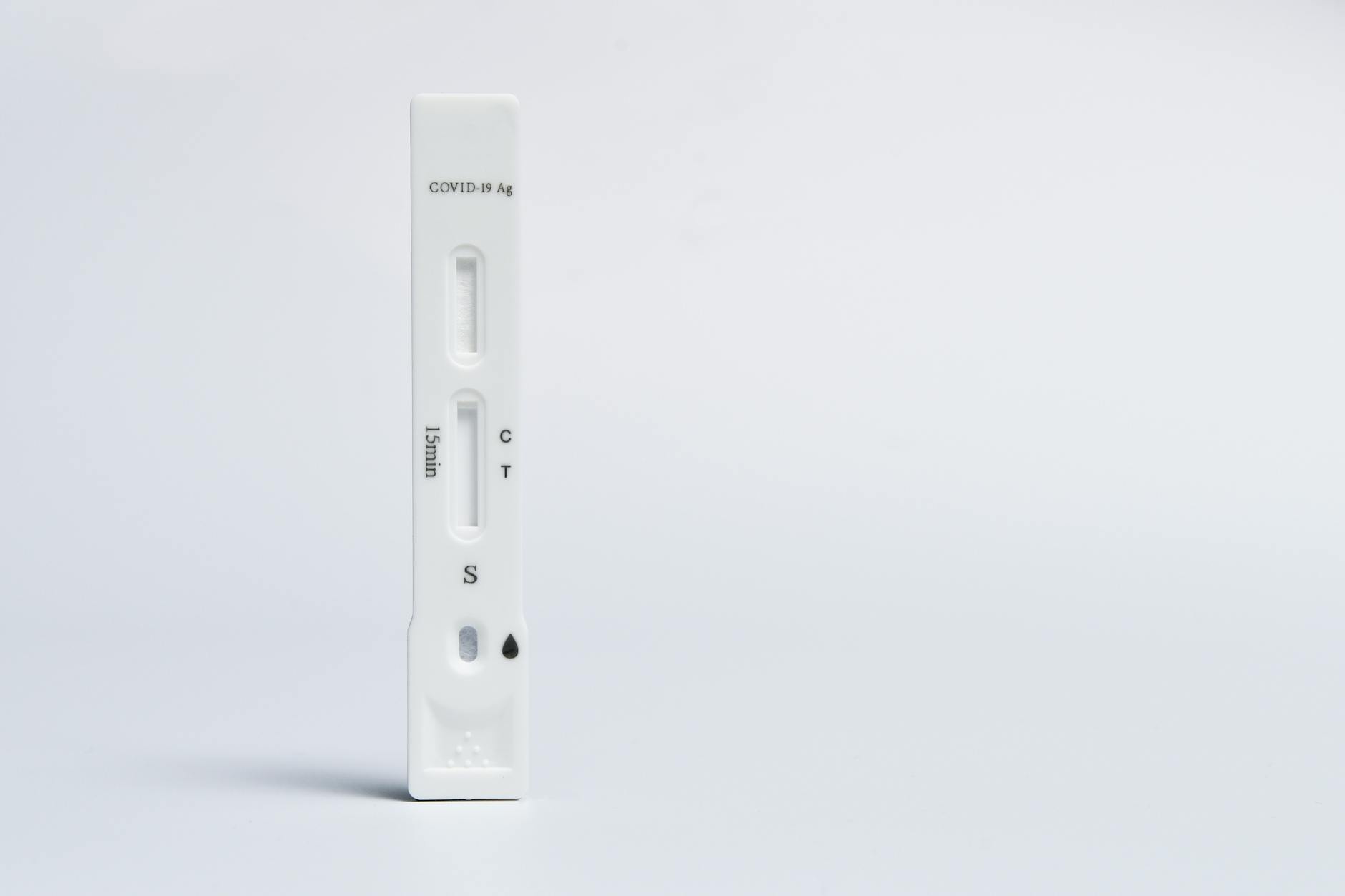
One critical barrier to memory loss prevention has been early identification. By the time someone notices memory problems, substantial brain damage has often already occurred. In May 2025, the FDA cleared the first blood test capable of diagnosing Alzheimer’s disease, a watershed moment for prevention. This test enables doctors to identify people with cognitive decline due to Alzheimer’s pathology earlier than ever before, while still in mild cognitive impairment stages—the window where prevention interventions are most likely to be effective.
The implications for clinical research are immediate. Blood tests that identify Alzheimer’s pathology allow researchers to recruit study participants with appropriate disease markers before symptoms emerge, accelerating trials of prevention medications and therapies. But the broader implication is more significant: if your doctor can now diagnose Alzheimer’s pathology from a simple blood test, identifying people at risk becomes feasible in routine clinical practice, not just in research settings. However, not all blood tests are equal, and access varies by region and healthcare system. Early adopter clinics with established relationships to specialized memory centers will likely have better access than primary care practices in underserved areas.
Nutritional and Gut-Based Approaches to Brain Health
Recent research has revealed an unexpected connection between diet, gut bacteria, and memory function. Studies on omega-3 polyunsaturated fatty acids—found in fish, walnuts, and flaxseed—show that these nutrients improve memory through an indirect pathway called the gut-brain axis. Omega-3 rich diets alter the composition of gut microbiota in ways that protect brain cells and support memory formation. Probiotic supplements, in limited studies, have shown modest memory enhancement benefits.
Compare this to pharmaceutical interventions: while drugs like NU-9 work directly in the brain by targeting specific proteins, dietary approaches work gradually through multiple physiological systems, making them potentially safer but also potentially slower to show results. The practical advantage of nutritional approaches is accessibility and cost. An omega-3 rich diet costs less than prescription medication and carries minimal side effects. The trade-off is that dietary changes require sustained behavioral modification—eating fish three times per week for months or years to see memory benefits is harder for many people than taking a daily pill. Additionally, the evidence for dietary intervention is less robust than for pharmaceutical approaches in clinical trials, though the biological mechanisms are well-established.
Identifying Candidates for Prevention and Genetic Testing
Not everyone needs aggressive memory loss prevention strategies, but identifying who does requires understanding individual risk factors. People with family histories of dementia, carriers of the APOE ε4 genetic variant, or those with existing mild cognitive impairment are candidates for early intervention. The genetic testing landscape is rapidly evolving, with tests now available to identify APOE status and other genetic risk markers. However, genetic testing comes with important caveats. Carrying APOE ε4 does not guarantee Alzheimer’s disease—many carriers live to advanced age without cognitive decline.
Conversely, people without genetic risk factors can still develop dementia due to lifestyle and environmental factors. Another critical limitation: not all research findings apply equally to all populations. Much of the animal research on memory reversal uses young, healthy rodents; aging effects in humans may differ. The US POINTER Study included primarily older, educated Americans with healthcare access. Whether lifestyle interventions work as well for people with limited access to fitness facilities, cognitive stimulation programs, or brain-healthy foods remains unclear. Additionally, depression and social isolation—two of the 14 modifiable risk factors—are themselves difficult to treat without access to mental health services, creating a practical barrier to comprehensive prevention for vulnerable populations.

The Timeline from Laboratory Discovery to Clinical Application
Understanding the journey from research breakthrough to available treatment is essential for managing expectations about memory loss prevention. CRISPR memory reversal in aging rats, while remarkable, is several years away from even early human trials. The NU-9 drug showed dramatic effects in mouse models in December 2025, but mouse models often don’t translate perfectly to human disease.
Gene therapy trials are underway now for people with mild cognitive impairment, but results won’t be available for another 2-3 years at minimum. The FDA blood test, by contrast, is available now, making early detection immediately actionable for anyone with cognitive concerns. This staggered timeline means your options today are lifestyle-based and early detection-focused, while pharmaceutical and genetic interventions may become available in the next 2-5 years for qualified candidates. The wisest approach today is to address modifiable risk factors while staying informed about trial availability if you have genetic risk or existing cognitive concerns.
What This Means for the Future of Brain Health
The convergence of multiple prevention pathways—genetic, pharmaceutical, and lifestyle-based—suggests that memory loss prevention will increasingly become personalized. Someone with APOE ε4 genetic risk and sedentary lifestyle might benefit from a combination of exercise, NU-9 therapy (once approved), and dietary changes, while someone without genetic risk but with high blood pressure and hearing loss would prioritize different interventions. The next decade will likely see increasingly targeted approaches based on genetic testing, blood biomarkers, and individual risk profiles.
This shift from “one-size-fits-all” recommendations to personalized prevention represents real progress. However, it also creates a new challenge: ensuring that advanced prevention strategies don’t become available only to wealthy, educated populations with healthcare access. The most democratizing development may ultimately be the simple lifestyle factors—exercise, cognitive engagement, managing blood pressure and diabetes—because these are free or low-cost interventions that nearly everyone can attempt, regardless of genetic risk.
Conclusion
Memory loss is increasingly preventable through a combination of emerging pharmaceutical approaches, genetic therapies, and proven lifestyle modifications. The evidence base has shifted from “prevention might be possible” to “we have multiple validated pathways,” with some interventions available today and others in clinical trials. For individuals concerned about cognitive decline, the immediate actions are identifying personal risk factors, addressing the 14 modifiable risk factors identified in research, and discussing cognitive concerns and genetic risk with healthcare providers who can discuss early detection through blood testing.
The future of memory loss prevention lies not in a single breakthrough but in coordinated, personalized approaches that combine medical innovation with accessible lifestyle changes. If you have family history of dementia, genetic risk factors, or concerns about your own memory, now is the time to discuss prevention strategies with your healthcare team rather than waiting for symptoms to develop. The research shows it’s never too late to start, but earlier intervention is more effective.