Reviewed by the Help Dementia Editorial Team — our editors review every article for accuracy against guidance from the National Institute on Aging, the Alzheimer’s Association, and peer-reviewed sources.
Researchers study sits at the center of this dementia and brain health question.
Researchers worldwide are intensifying their focus on neural network disruptions—both understanding what causes them and how to prevent catastrophic failures. On April 20, 2026, this became urgent: three major neural networks were simultaneously disconnected globally, affecting AI services like ChatGPT, Claude AI, and Gemini across Russia, Germany, and the United States. The cascading effects were significant; Britain alone recorded 8,600 malfunctions at the peak of the event.
This wasn’t a theoretical exercise—it was a real-world demonstration of how dependent modern systems have become on stable neural network infrastructure. What makes these disruptions particularly noteworthy for healthcare and care facilities is that they reveal fundamental truths about how complex networked systems fail and recover. The same principles that researchers are studying in artificial neural networks—resilience, redundancy, and recovery mechanisms—have parallels in understanding how biological brain networks function and what happens when they’re disrupted by disease or aging. Understanding these failures matters if you work in dementia care, elder health, or any field relying on AI-assisted diagnostics and monitoring systems.
Table of Contents
- What Triggers Neural Network Disruptions and Why Do They Matter?
- The April 2026 Global Disruption Event and What It Revealed
- How Do Researchers Study Neural Network Resilience?
- What Does Neural Network Resilience Research Mean for Care Providers?
- Energy Efficiency and the Trade-Off Between Power and Reliability
- Market Growth and the Evolution of Neural Network Technology
- Looking Forward—What Comes Next for Neural Network Resilience?
- Conclusion
- Frequently Asked Questions
What Triggers Neural Network Disruptions and Why Do They Matter?
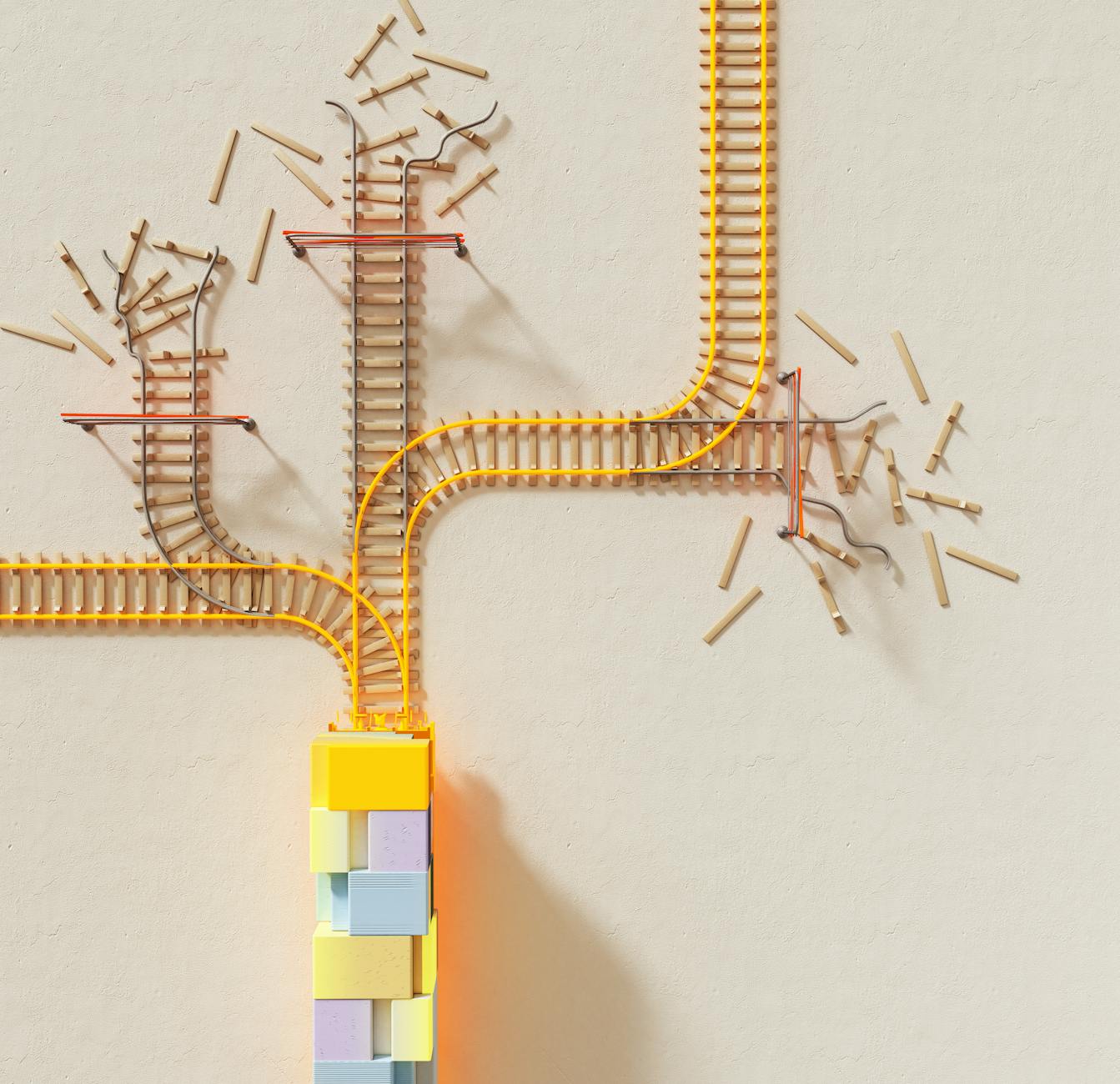
Neural network disruptions occur when interconnected systems lose communication or experience cascading failures. A disruption at one node can propagate through the entire system, much like how damage to one region of the brain can affect multiple functions depending on the interconnections. researchers distinguish between random failures, data quality issues, and deliberate attacks—each requiring different prevention strategies. The April 2026 incident demonstrated that despite redundancy measures built into major AI platforms, simultaneous global disconnections are still possible, suggesting vulnerabilities in how systems are currently designed.
The healthcare sector has become increasingly reliant on these neural network systems for everything from diagnostic imaging analysis to patient monitoring algorithms. When disruptions occur, care facilities must have backup protocols. Unlike a simple software update, a neural network disruption can’t be fixed by rebooting—it requires understanding the root cause and systematically restoring communication between network nodes. Researchers are now studying whether the 8,600 malfunctions that occurred in Britain represented a cascade effect or independent failures, a distinction that matters tremendously for designing more robust systems.
The April 2026 Global Disruption Event and What It Revealed
On April 20, 2026, the simultaneous disconnection of multiple neural networks created an unplanned experiment in system fragility. ChatGPT, Claude AI, and Gemini all experienced disruptions within the same window, affecting users across multiple continents. The fact that three separate systems failed at the same time raises important questions: Were they connected in ways the public doesn’t understand? Did a single event trigger a cascade? Or were they each vulnerable to the same external factor? Researchers are analyzing this event precisely because these answers determine what kind of protections are actually needed.
What struck many observers was the speed at which problems spread and the time required for recovery. In Britain, the 8,600 recorded malfunctions represented not just failed computations but broken connections between services that depend on each other. A single disconnection in a neural network can be managed, but simultaneous disconnections expose critical dependencies. For dementia care centers that use AI-assisted scheduling, medication tracking, or fall-risk prediction systems, this event underscored a hard truth: redundancy exists, but it’s not always sufficient when multiple points of failure occur simultaneously.
How Do Researchers Study Neural Network Resilience?
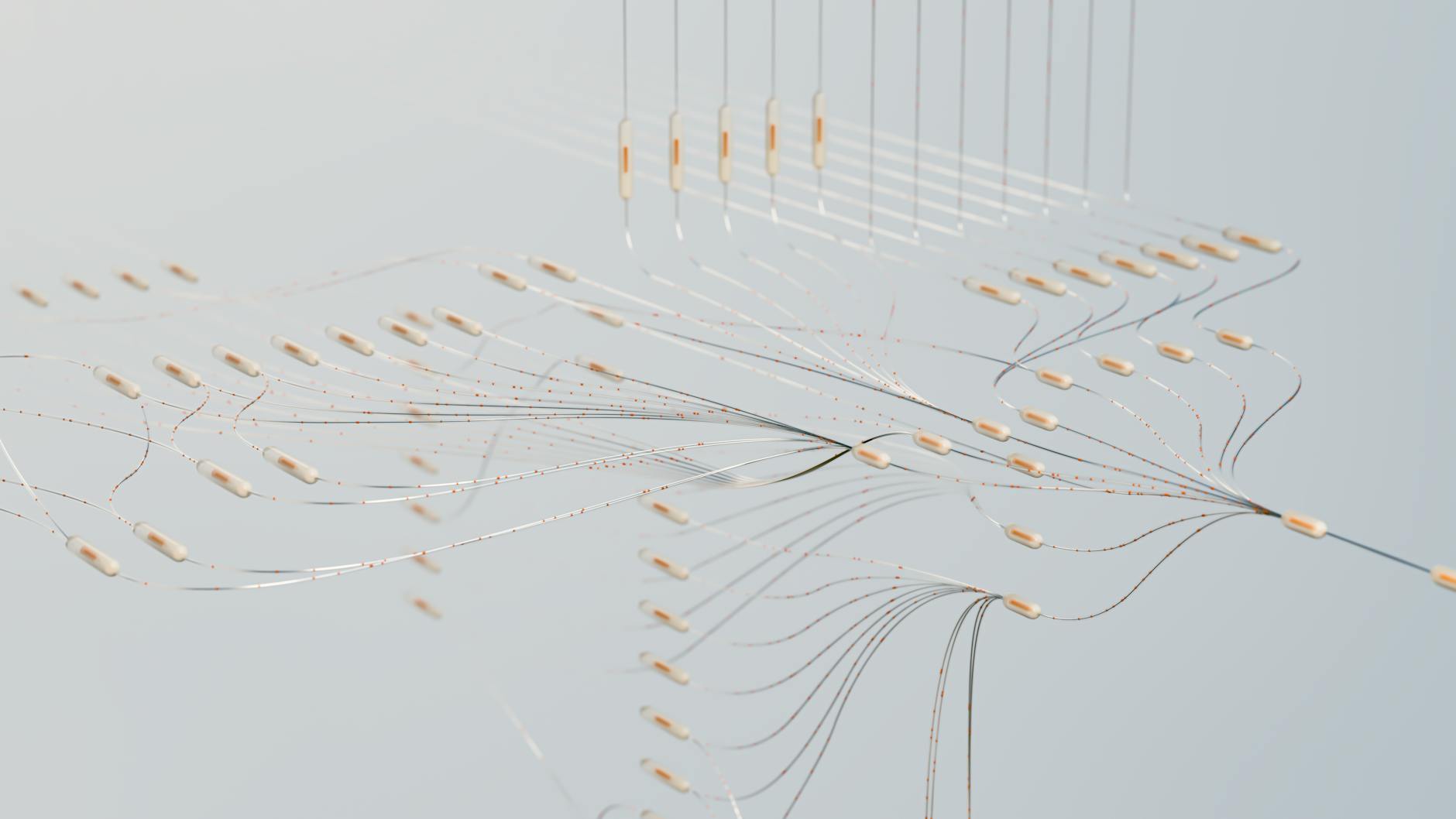
Modern research into neural network resilience uses sophisticated frameworks that combine Transformer and Graph Neural Network (GNN) architectures. These approaches allow researchers to model complex systems with thousands or millions of interconnections and test how they respond to disruptions. The TraTopo model, for instance, demonstrates superior resilience to random disruptions, data omissions, and even deliberate attacks. Rather than waiting for the next global failure, researchers can now simulate disruptions and identify vulnerabilities before they become critical.
The limitation of these research approaches is that simulation isn’t identical to real-world behavior. Mathematical models can predict how a system should respond under controlled conditions, but actual systems include variables that models don’t capture—software bugs, human error, environmental factors, and unforeseen interactions. The April 2026 disruption likely involved factors researchers didn’t predict in their models, which is why it’s being studied so carefully. The goal is to make research models more realistic so that frameworks tested in labs actually protect systems in the field.
What Does Neural Network Resilience Research Mean for Care Providers?
For dementia care facilities and elder health services, understanding neural network resilience has practical applications. Many care centers now use AI systems for medication management, appointment scheduling, and early detection of health changes. When these systems rely on neural networks that can be disrupted, facilities need more than hoping for the best—they need redundancy, offline protocols, and staff training for system failures. The research being conducted by academic groups gives care administrators a window into what vulnerabilities exist and what timeline improvements might follow.
Additionally, care providers should understand that improvements in neural network resilience don’t just happen automatically. The market for spiking neural network chips grew from $0.71 billion in 2025 to $0.87 billion in 2026, reflecting investment in more efficient and robust systems. As these newer technologies mature, care facilities may have access to more reliable AI-assisted tools—but adoption takes time. In the interim, the prudent approach for any care setting is to maintain parallel systems, ensure staff can operate without AI support, and treat any AI tool as a helpful supplement rather than a critical dependency.
Energy Efficiency and the Trade-Off Between Power and Reliability
A surprising finding from recent research is that improved neural network efficiency and improved resilience may go hand-in-hand. In April 2026, researchers published findings showing that new neural network approaches could reduce AI energy consumption by up to 100 times while simultaneously boosting accuracy. This matters because AI systems currently consume over 10 percent of U.S. electricity, and as demand grows, energy use becomes both an environmental and reliability issue.
Overheated data centers can trigger failures; more efficient networks generate less heat and potentially fewer disruptions. The catch is that transitioning from current systems to these more efficient approaches takes time and carries implementation risk. A care facility might want the benefits of energy-efficient neural networks, but those systems won’t be mainstream for years. Meanwhile, the current generation of AI systems—the ones supporting diagnostics and patient monitoring—will continue consuming significant power and remaining vulnerable to disruptions. Understanding this trade-off helps care administrators make informed decisions about when to upgrade systems and which redundancies matter most.

Market Growth and the Evolution of Neural Network Technology
The growth of the spiking neural network chip market from $0.71 billion to $0.87 billion between 2025 and 2026 reflects genuine technological advancement. Spiking neural networks mimic biological neurons more closely than traditional artificial neural networks, using event-driven processing rather than continuous computation. This approach offers potential for both greater efficiency and improved resilience—two qualities directly relevant to preventing disruptions like the one that occurred in April 2026.
Investment in this space suggests that researchers and manufacturers believe these technologies represent the future of more stable, efficient AI. For care facilities, market growth in neural network technology is encouraging because it means competition, innovation, and eventually, more choices. However, it also means that the AI systems supporting patient care today may be obsolete within five years. This argues for care administrators to stay informed about technological trends without rushing to adopt every new system immediately.
Looking Forward—What Comes Next for Neural Network Resilience?
The April 2026 disruption will likely accelerate research into neural network resilience and redundancy. Researchers are working on frameworks that predict failure points before they become critical, systems that can self-heal or reroute around damage, and designs that don’t rely on single points of failure.
These advances should lead to more stable systems within the next few years, though expecting perfect stability is unrealistic—complex systems will always have vulnerabilities. For the dementia care and elder health communities, these advances could mean better access to reliable AI-assisted diagnostics, monitoring, and care planning. The key is staying informed about these developments while maintaining healthy skepticism about AI’s limitations and ensuring that technology enhances human care rather than replacing it.
Conclusion
Researchers studying neural network disruptions are learning lessons that extend far beyond computer science. The April 2026 global disconnection of major neural networks revealed both the sophistication of these systems and their fragility. As care providers and administrators integrate more AI tools into elder health and dementia care, understanding how these systems can fail and how researchers are working to prevent failures becomes increasingly important.
The research is encouraging—new frameworks, more efficient architectures, and better market competition promise more resilient systems ahead. For now, the practical lesson is straightforward: AI-assisted systems are powerful tools, but they’re not infallible. Care facilities should maintain offline capabilities, staff training for system failures, and realistic expectations about what technology can and cannot do. As neural network technology matures and research into resilience continues, these systems will become more reliable—but that maturation requires time, investment, and ongoing vigilance from the researchers, engineers, and care professionals who depend on them.
Frequently Asked Questions
Could the April 2026 neural network disruption happen again?
Likely yes, unless fundamental architectural changes are implemented. The disruption revealed vulnerabilities in how systems are designed and connected, and researchers are now working on solutions, but they won’t be universally deployed immediately.
How does artificial neural network research relate to understanding the aging brain?
While artificial and biological neural networks operate differently, the principles of network resilience, redundancy, and failure modes have parallels. Research into what causes network disruptions can inform our understanding of how brain networks are affected by aging and disease like dementia.
Should care facilities worry about AI system disruptions affecting patient care?
Care facilities should have contingency plans for any technology failure, including AI-assisted systems. This means maintaining staff training for manual operations, keeping backup systems, and not treating AI as irreplaceable.
Are new neural network technologies more reliable than current ones?
Emerging technologies like spiking neural networks show promise for greater efficiency and resilience, but they’re not yet mainstream. Current systems will need to be supported for years while newer technologies are tested and refined.
What can care administrators do right now about neural network risks?
Identify which systems depend on neural networks, ensure staff can operate without them, maintain backup protocols, and follow announcements from technology providers about system upgrades and security measures.
How long until neural network disruptions are essentially eliminated?
Probably never completely, but significant improvements are realistic within 3-5 years as research frameworks are implemented and new chip technologies mature. Complex systems always carry some risk of failure.
You Might Also Like
- Researchers Study Biological Changes Over Time
- Researchers Highlight Challenges in Accurate Diagnosis
- Researchers Analyze Physical Alterations Over Time
For more, see CDC — Alzheimer’s and Dementia.