Reviewed by the Help Dementia Editorial Team — our editors review every article for accuracy against guidance from the National Institute on Aging, the Alzheimer’s Association, and peer-reviewed sources.
Recent research demonstrates that healthy aging is not merely about adding years to life, but about maintaining cognitive and physical function during those years—and the evidence shows it’s possible to reverse decline at any age. A nationally representative longitudinal study of Americans aged 65 and older found that 45.15% of participants showed significant cognitive and physical improvement over up to 12 years of follow-up, suggesting that the narrative of inevitable decline in older age is outdated. What made the difference wasn’t genetics alone; those with positive beliefs about aging were substantially more likely to experience functional gains, indicating that our mindset and daily choices matter more than we once believed.
This shift in understanding comes at a critical moment. As the population ages and conditions like dementia and Parkinson’s disease become more prevalent, scientists are uncovering not just how to slow cognitive decline but how to potentially reverse biological aging itself. The emerging evidence encompasses everything from breakthrough blood tests that detect Alzheimer’s years before symptoms appear to therapies that can shave years off a person’s biological age. For families navigating brain health concerns, these findings offer genuine hope—and concrete reasons to take action now.
Table of Contents
- Can Aging Actually Be Reversed?
- Early Detection Is Changing Everything
- What Drives Healthy Aging Across the Population?
- The Market Is Moving Faster Than Most People Realize
- The Limitation of Biology Without Behavior
- Building Muscle and Mobility as Brain Protection
- What’s Next in Brain Health Science?
- Conclusion
Can Aging Actually Be Reversed?
The answer is increasingly yes, at least in measurable biological terms. researchers at the Buck Institute demonstrated in 2025 that a therapy called therapeutic plasma exchange reduced participants’ biological age by up to 2.6 years, suggesting that aging isn’t a one-way street. This finding challenges the assumption that once cells begin to deteriorate, the process is irreversible. Instead, it opens the possibility that interventions—whether therapeutic, pharmaceutical, or lifestyle-based—could potentially restore years of biological function to aging bodies and brains. Understanding what’s happening at the cellular level makes this progress clearer.
Scientists recently created a comprehensive cellular atlas by studying nearly 7 million cells across 21 different organs, revealing precisely how aging reshapes the body’s architecture. This granular view of the aging process provides a roadmap for where interventions might work most effectively. The comparison is instructive: if we previously viewed aging like a building’s overall decay, we now see specific structural failures we might repair. some cells remain resilient with age; others weaken dramatically. Targeting the vulnerable points offers far better odds than blanket approaches.
Early Detection Is Changing Everything
Perhaps the most transformative development in brain health is the ability to detect disease years or decades before symptoms appear. scientists developed a blood test measuring p-tau217, a protein that indicates when Alzheimer’s symptoms are likely to begin, potentially allowing intervention before cognitive decline becomes noticeable. Similarly, researchers in Sweden and Norway uncovered methods to identify Parkinson’s disease years—possibly decades—before its most damaging symptoms manifest. For someone at risk, knowing this information early could be the difference between a lifetime of lost function and years of normal cognition.
However, early detection comes with an important caveat: the ability to predict disease doesn’t always mean we have proven treatments that prevent it. Someone learning through a blood test that Alzheimer’s markers are rising faces a difficult psychological situation. There is a real risk of unnecessary anxiety in people who would never develop symptoms, or of creating a medicalized identity before disease actually emerges. The ethical frameworks around how and when to share such information are still being developed. What’s clear is that early detection must eventually be paired with effective interventions—and the research pipeline suggests those interventions are coming, even if they’re not yet universally available.
What Drives Healthy Aging Across the Population?
Research consistently identifies three primary drivers of healthy aging: physical activity, nutrition, and sleep. These aren’t surprising recommendations, but recent evidence quantifies their importance in ways previous generations didn’t fully understand. Lean muscle mass and mobility have emerged as critical determinants of healthspan—the years lived in good health—not just lifespan. A 65-year-old who maintains strength, eats well, and sleeps adequately has fundamentally different cellular aging patterns than one who doesn’t, even if both live the same number of years.
Emerging research is also highlighting surprising factors. Gut microbiota composition, social connection (and loneliness), frailty assessment, mitochondrial function, and overall resilience are all moving into focus as modifiable drivers of aging outcomes. Consider loneliness: isolation doesn’t just affect mental health; it accelerates biological aging measurably. A person with robust social networks experiences different immune aging, cardiovascular aging, and cognitive aging than an isolated person of the same age. This means that recommendations for healthy aging must extend beyond the individual to encompass social and community factors that either support or undermine longevity.
The Market Is Moving Faster Than Most People Realize
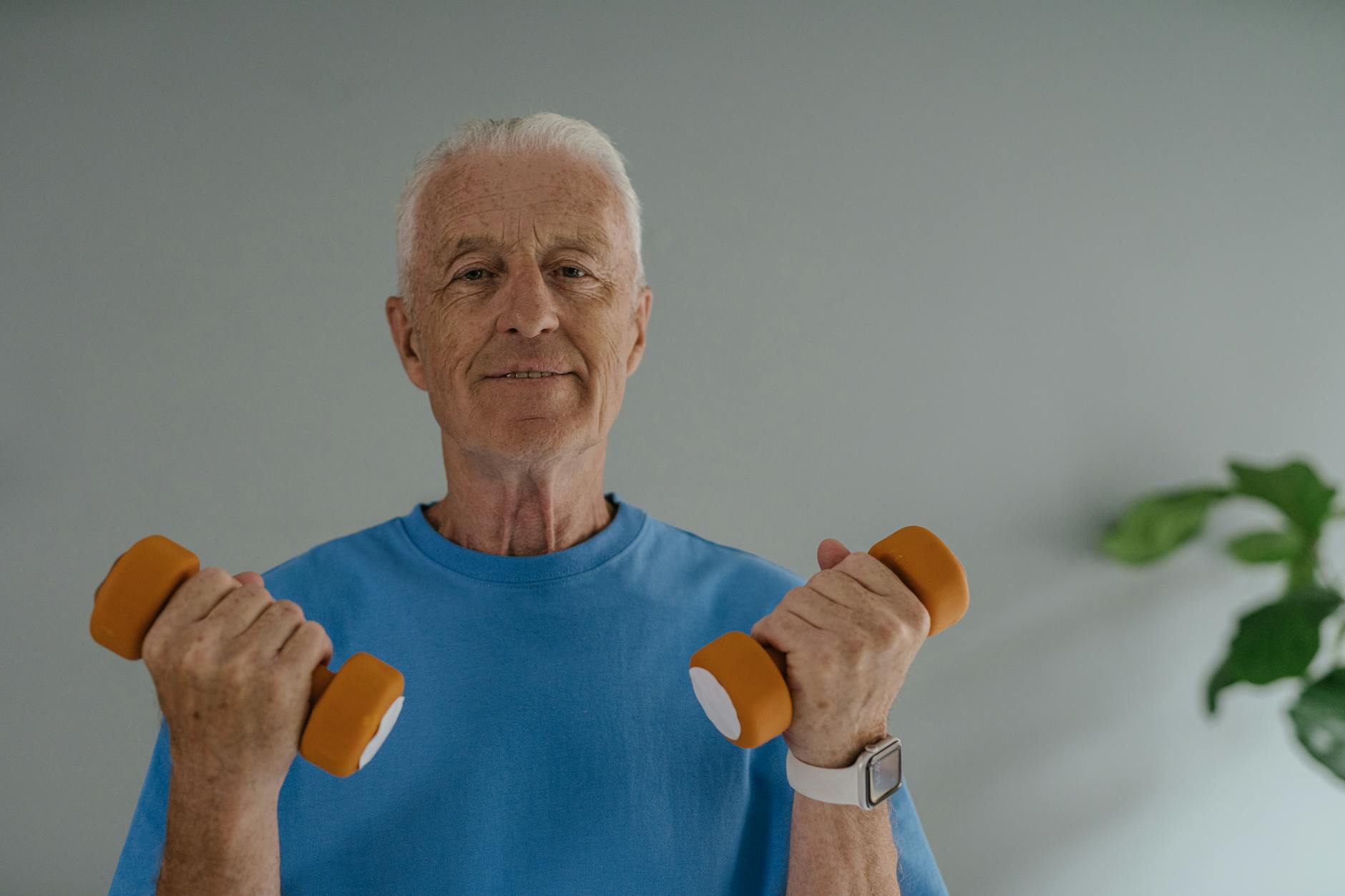
Consumer awareness of healthy aging is already widespread: 73% of consumers worldwide rate healthy aging as extremely or very important to them. This awareness is driving real economic change. The silver economy—products and services designed for older adults—was valued at $42 billion in 2024 and is projected to reach $67 billion by 2034. The growth reflects both demographic reality and consumer demand for solutions that extend healthy, functional years.
The tradeoff in this market expansion is that not all products marketed as “anti-aging” or “longevity-boosting” have solid evidence behind them. The legitimate science is being joined by supplements, therapies, and devices with minimal validation. Someone interested in healthy aging must learn to distinguish between proven interventions (physical activity, nutritional adequacy, sleep quality) and hyped but unproven alternatives (exotic compounds, expensive treatments offered primarily by direct-to-consumer companies). The rule of thumb: if it sounds like an easy fix for a complex problem, scrutinize the evidence carefully before investing time or money.
The Limitation of Biology Without Behavior
One critical warning emerges from all this research: biological interventions won’t work in isolation. The plasma exchange study showing 2.6 years of biological age reversal was conducted with people who were also making lifestyle changes. Similarly, the finding that positive beliefs about aging predict better outcomes underscores that mindset and behavior are inseparable from biology. Someone who learns that a blood test indicates Alzheimer’s markers but then becomes depressed and stops exercising may actually accelerate their cognitive decline despite knowing about the disease.
This creates a real tension in how to approach preventive brain health. The research emphatically supports taking action in the domains you control—movement, food, sleep, social connection, mental engagement—but also suggests that these actions are foundational. Emerging therapies and early detection tools will be far more effective in people who have already built these basics. The limitation of waiting for the perfect pharmaceutical solution is that the window for behavioral intervention may close, or its effectiveness may be compromised. The practical answer is to begin with what’s proven and available now, while staying informed about therapies on the horizon.
Building Muscle and Mobility as Brain Protection
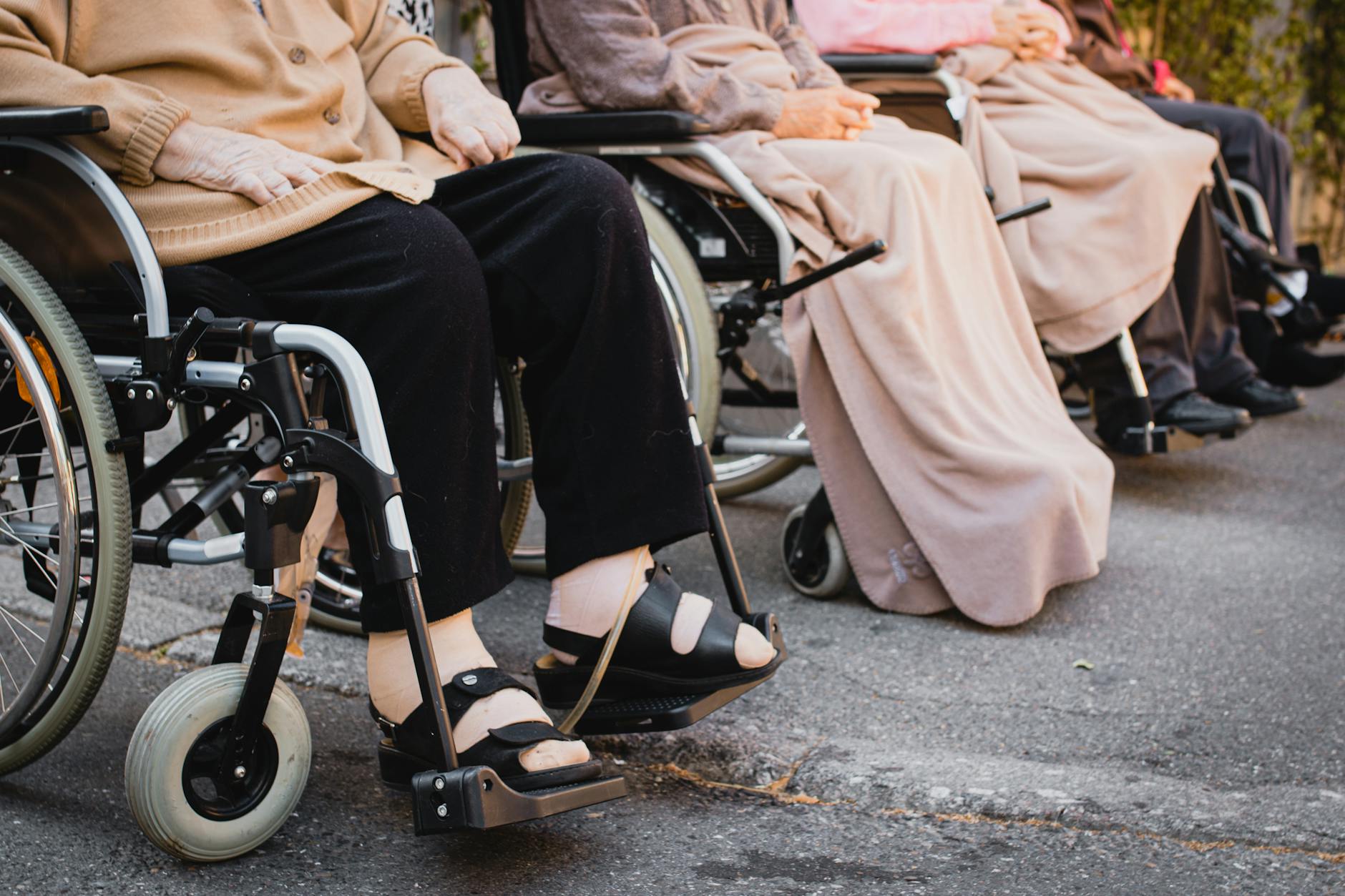
Maintaining lean muscle mass and physical mobility does more than support independence; it protects the brain. Research increasingly shows that strength training and movement throughout the day correlate with better cognitive aging outcomes. A practical example: a 70-year-old who does resistance training twice weekly and walks daily is not just maintaining muscles; they’re preserving blood flow to the brain, maintaining neuroplasticity, and reducing inflammation that accelerates cognitive decline.
The person who becomes sedentary at 65 begins a cascade of physical and cognitive decline that becomes harder to reverse with each passing year. The advantage of focusing on mobility and strength is that these goals are achievable at any age and have benefits that extend far beyond dementia prevention. A person who maintains strength remains independent longer, experiences fewer falls, maintains better mood regulation, and preserves quality of life even if cognitive challenges eventually emerge. This makes muscle and mobility not just a medical intervention but a foundation for life quality during aging.
What’s Next in Brain Health Science?
The trajectory of research suggests that the next five years will bring more precise tools for individual risk prediction and increasingly specific interventions tailored to individual aging profiles. Genetic sequencing, advanced imaging, and biomarker testing will likely move from research settings into clinical practice, allowing personalized medicine approaches to dementia and Parkinson’s prevention. We’re moving toward a model where a 60-year-old can get a detailed biological assessment of their aging trajectory and receive targeted recommendations based on their specific vulnerabilities.
The optimistic note in all this research is that aging itself is becoming understood not as a disease or a death sentence, but as a biological process with modifiable aspects. The findings show that 45% of older adults actually improve functionally over a decade, suggesting that decline is neither inevitable nor universal. For those concerned about brain health, the evidence points toward an actionable path: establish good habits in physical activity, nutrition, and sleep; maintain strong social and cognitive engagement; and work with healthcare providers to monitor emerging biomarkers that indicate risk. The science is advancing rapidly, but the foundation remains timeless: how we live today shapes how we age tomorrow.
Conclusion
The new findings about healthy aging carry an important message: decline in older age is not inevitable, and biological aging itself may be reversible. The research shows that a significant portion of older adults maintain or improve their cognitive and physical function over years of follow-up, and that early detection of diseases like Alzheimer’s and Parkinson’s is now possible. This convergence of better understanding, earlier detection, and emerging therapies creates genuine hope for families navigating brain health concerns.
The practical next step is to act on what we already know works: prioritize physical activity, nutrition, sleep, and social connection. These foundations maximize the effectiveness of future therapies and often prevent disease from emerging in the first place. As more precise tools and treatments become available, they’ll build on the foundation you create now. The window for healthy aging isn’t closing; research suggests it can actually be widened with the right choices today.