Reviewed by the Help Dementia Editorial Team — our editors review every article for accuracy against guidance from the National Institute on Aging, the Alzheimer’s Association, and peer-reviewed sources.
Most important sits at the center of this dementia and brain health question.
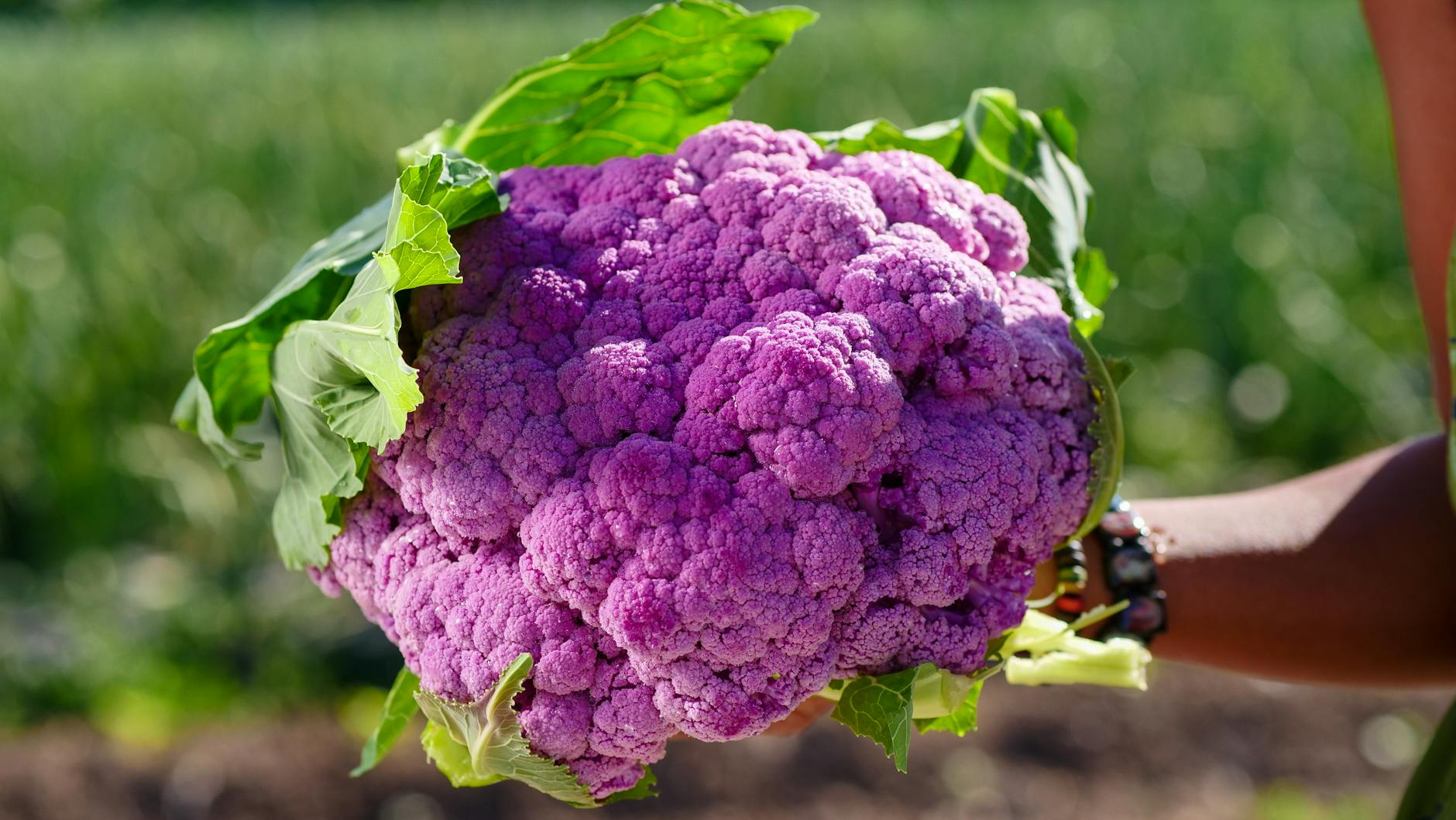
Cauliflower deserves serious consideration as a brain-protective food for adults over 40 because it delivers a unique combination of choline, glucosinolates, and B vitamins that scientific research has linked to slower cognitive decline and reduced risk of neurodegenerative disease. While no single food is a cure or guarantee against dementia, the evidence supporting cruciferous vegetables like cauliflower is compelling: a landmark study of over 15,000 women found that those consuming more cruciferous vegetables experienced measurably slower objective cognitive decline as they aged. For someone in their 40s, 50s, or 60s concerned about maintaining mental sharpness, adding cauliflower to regular meals addresses multiple pathways involved in brain aging. What makes cauliflower stand out compared to other vegetables is its particular nutrient density. A half-cup serving contains roughly 50 milligrams of choline—a precursor to acetylcholine, the neurotransmitter essential for memory formation and learning.
The same serving also delivers B vitamins that protect nerve cells and glucosinolates that trigger the body’s own antioxidant defenses. For someone in their mid-50s noticing they forget names more often or take longer to retrieve information, these aren’t glamorous changes—but they’re the kind of preventive nutrition that may make a meaningful difference over years and decades. The timing matters too. Brain aging accelerates after 40, with cognitive processing speed and memory retrieval becoming noticeably slower for most people by their 50s and 60s. This is when dietary patterns become less forgiving. A diet rich in brain-protective vegetables in your 40s and beyond is not an alternative to medical care or cognitive engagement—it’s foundational infrastructure for the brain health choices that follow.
Table of Contents
- What Makes Cauliflower’s Choline Content Critical for Brain Function After 40?
- How Glucosinolates Protect Against Brain Aging and Neurodegeneration?
- The Role of B Vitamins in Protecting Nerve Health and Managing Brain Stress?
- How Should Adults Over 40 Practically Incorporate More Cauliflower Into Daily Meals?
- What Are the Limitations and Absorption Challenges in Using Cauliflower for Brain Health?
- How Does Cauliflower Fit Into a Complete Brain-Healthy Diet for Cognitive Longevity?
- What Does Future Research Suggest About Cruciferous Vegetables and Brain Aging?
- Conclusion
- Frequently Asked Questions
What Makes Cauliflower’s Choline Content Critical for Brain Function After 40?
Choline is an essential nutrient that many Americans don’t consume in adequate amounts, and the problem becomes more pronounced as people age. The body uses choline to produce acetylcholine, a neurotransmitter directly involved in attention, memory consolidation, and the speed at which your brain processes new information. Research has shown that choline intake is associated with better performance on cognitive tests and may reduce the risk of developing Alzheimer’s disease—particularly important given that women over 40 make up a significant portion of dementia cases. The recommended adequate intake of choline is 425 milligrams daily for adult women and 550 milligrams for adult men, yet studies suggest many people over 50 fall short of these targets.
Cauliflower provides a plant-based source of choline that doesn’t require the commitment of eating fatty fish several times a week or consuming excessive eggs. One cup of raw cauliflower contains approximately 75 milligrams of choline, and cooking it (contrary to some nutritional myths) doesn’t significantly destroy the choline content. To put this in perspective, a person eating two servings of cauliflower daily could derive roughly 150 milligrams of their daily choline from that single vegetable—meaningful without being overwhelming. The neurotransmitter choline produces, acetylcholine, declines naturally with age in most people, contributing to the memory issues and slower processing speed many adults experience in their 50s and 60s. By maintaining adequate choline intake, you’re essentially feeding the biochemical machinery that runs attention and memory—the very functions people fear losing most.
How Glucosinolates Protect Against Brain Aging and Neurodegeneration?
Glucosinolates are sulfur-containing compounds found in cruciferous vegetables including cauliflower, broccoli, and Brussels sprouts. When you eat or chew these vegetables, an enzyme breaks down glucosinolates into compounds like sulforaphane, which trigger antioxidant and anti-inflammatory responses throughout the body—including in the brain. Emerging research published in Frontiers in Pharmacology and other peer-reviewed journals suggests that these compounds may provide neuroprotection against multiple conditions: Alzheimer’s disease, depression, and general cognitive decline. A 2024 study in Neurology identified that specific nutrient combinations—including antioxidants and compounds similar to those in cauliflower—are associated with brain aging at a slower-than-expected rate, even controlling for genetics and education level. The protective mechanism works partly by reducing neuroinflammation, a process linked to accelerated brain aging.
Neuroinflammation is distinct from the visible inflammation most people think about (swelling and redness); instead, it’s a low-grade immune activation in the brain that accumulates over decades and contributes to cognitive decline. Glucosinolates appear to help quiet this process. However, there’s an important limitation: most of the evidence base comes from studies of cruciferous vegetables broadly, not cauliflower exclusively. The research demonstrating cognitive benefits typically groups broccoli, cabbage, and cauliflower together, so while the evidence is strong for the vegetable family, studies dedicated specifically to cauliflower alone are limited. It’s also worth noting that the body’s ability to convert glucosinolates into their active forms depends partly on the gut microbiome—specifically, bacteria that have the enzymes to do this conversion. Someone with a severely altered microbiome from heavy antibiotic use or other disruptions may not extract the full benefit from these compounds, though this is not a reason to avoid them, only a reminder that nutrition isn’t one-size-fits-all.
The Role of B Vitamins in Protecting Nerve Health and Managing Brain Stress?
Cauliflower is a strong source of B vitamins, including B1 (thiamine), B2 (riboflavin), B3 (niacin), B5 (pantothenic acid), and B6 (pyridoxine). These vitamins function as coenzymes in metabolism and play specific roles in nerve protection and stress management. B6, for example, is necessary for the synthesis of dopamine and serotonin—neurotransmitters that regulate mood and motivation. B1 and B3 are critical for energy production in neurons, and without adequate amounts, nerve cells become more vulnerable to damage. Chronic stress, common in people managing the demands of midlife, depletes B vitamins, and the brain’s high metabolic rate makes it particularly vulnerable to deficiency.
For someone in their 50s experiencing brain fog or a subjective sense of slower thinking, one often-overlooked culprit is inadequate B vitamin intake. A person relying primarily on refined grains and processed foods may consume enough calories to meet daily energy needs but fall short on B vitamins, since processing removes these nutrients. Cauliflower offers these vitamins in a whole-food package, paired with fiber that slows absorption and provides sustained support. One cup of cooked cauliflower delivers roughly 15% of the daily value of B6 and meaningful amounts of the other B vitamins. The practical advantage over supplements is that whole foods deliver vitamins alongside hundreds of phytonutrients and cofactors that may work synergistically in the brain—a complexity supplements don’t replicate. The Women’s Brain Health Initiative specifically highlighted B vitamin insufficiency as a modifiable risk factor for cognitive decline in midlife and beyond, making vegetable-based sources like cauliflower part of a straightforward prevention strategy.

How Should Adults Over 40 Practically Incorporate More Cauliflower Into Daily Meals?
The challenge with cauliflower isn’t that it lacks nutritional value—it’s that people often eat it as a side dish or in limited preparations, missing the opportunity for consistency. A practical approach is treating cauliflower as a primary component of meals at least four times per week, not as a garnish. Roasted cauliflower with olive oil and spices delivers better flavor and retention of nutrients than boiled cauliflower, since fat-soluble compounds absorb better with healthy fats. Adding cauliflower to stir-fries, curries, grain bowls, or soups also increases intake naturally, because larger portions feel less monotonous. Raw cauliflower florets with hummus as a snack provides choline and glucosinolates without cooking loss, though cooked cauliflower is equally nutritious—the cooking method matters more than whether it’s raw or cooked.
Comparing cauliflower to other brain-healthy vegetables: broccoli is slightly higher in some phytonutrients and vitamin C, but cauliflower is milder in flavor and easier for people with digestive sensitivity to tolerate in larger quantities. Leafy greens like kale deliver more lutein and zeaxanthin (compounds linked to brain health), but cauliflower’s choline content is notably higher than most greens. The practical tradeoff is that variety across cruciferous vegetables and leafy greens is better than obsessing over which single vegetable is “most important”—but for people seeking one cruciferous choice with particular relevance to cognitive aging, cauliflower’s choline profile makes it a smart priority. A realistic goal for someone over 40 is consuming one to two servings of cauliflower daily, achievable through breakfast (cauliflower in a vegetable-forward omelet), lunch (cauliflower in a salad or grain bowl), and dinner (roasted or curried cauliflower as part of the main course). This level of intake positions someone to receive consistent glucosinolates, choline, and B vitamins without requiring dramatic lifestyle changes.
What Are the Limitations and Absorption Challenges in Using Cauliflower for Brain Health?
While cauliflower is nutrient-dense, it’s not a pharmaceutical intervention and should never replace medical management of cognitive conditions or cardiovascular risk factors that affect the brain. Eating more cauliflower will not reverse established cognitive decline or dementia, though it may slow progression in some cases. Additionally, the compounds in cauliflower—particularly glucosinolates—work preventively over years and decades; someone expecting immediate cognitive improvement will be disappointed. Another practical limitation is bioavailability.
The human body doesn’t absorb all nutrients equally efficiently. Choline absorption depends partly on the presence of other nutrients (it competes with methionine absorption), and glucosinolate conversion to active forms depends on both the cooking method and the gut microbiome, as mentioned earlier. Someone taking medications that alter gut bacteria or acid levels may absorb nutrients from cauliflower less effectively than the nutritional labels suggest. For people with genetic variations in folate metabolism (a common polymorphism affecting roughly 30% of the population), B vitamin requirements may be higher than standard recommendations, meaning they might need to pair cauliflower with other B vitamin sources like legumes or whole grains. There’s also a minor warning regarding oxalates: cauliflower is relatively low in oxalates compared to spinach or other greens, but for people with kidney disease or a history of kidney stones, even moderate increases in cruciferous vegetable intake should be discussed with a healthcare provider, since excessive oxalate consumption can contribute to stone formation.

How Does Cauliflower Fit Into a Complete Brain-Healthy Diet for Cognitive Longevity?
Cauliflower is one component of a dietary pattern proven to support brain health—it’s not the foundation by itself. The strongest evidence for cognitive protection comes from dietary patterns like the Mediterranean diet (which emphasizes olive oil, fish, whole grains, and vegetables) or the MIND diet (Mediterranean-DASH Intervention for Neurodegenerative Delay), both of which feature cruciferous vegetables prominently but alongside other protective foods.
Omega-3 fatty acids from fish, antioxidants from berries, minerals from nuts and seeds, and quality carbohydrates from whole grains all interact synergistically with the nutrients in cauliflower to support brain health. For a concrete example: a person over 50 eating roasted cauliflower drizzled with olive oil (delivering both glucosinolates and healthy fats that enhance absorption) alongside salmon (providing omega-3s for brain structure) and a side of quinoa (providing B vitamins) is creating a meal that addresses multiple pathways of brain protection. The same person eating cauliflower alone, without dietary diversity, might absorb the nutrients but miss the broader protective effect of a comprehensive dietary pattern.
What Does Future Research Suggest About Cruciferous Vegetables and Brain Aging?
Recent research directions are moving toward understanding which specific combinations of nutrients best protect against cognitive decline. The 2024 findings identifying protective nutrient combinations—including antioxidants, carotenoids, vitamin E forms, and choline—suggest that the brain’s protection may require a “nutrient stack” rather than single interventions. This aligns with why cruciferous vegetables like cauliflower are so relevant: they deliver multiple components of that protective stack simultaneously.
Ongoing studies are also examining whether the protective effects of these vegetables are stronger in people who consume them earlier in midlife versus those who increase intake after cognitive symptoms appear, which has major implications for prevention strategies. As life expectancy increases and more people live into their 80s and 90s, dietary approaches to cognitive preservation have become increasingly important to public health. Cauliflower, as an affordable, widely available vegetable that delivers several research-supported compounds, sits at the intersection of that growing need and practical accessibility for most people.
Conclusion
Cauliflower is an important brain food for adults over 40 because it provides choline for memory and learning, glucosinolates for neuroprotection against neuroinflammation, and B vitamins for nerve health—all compounds with scientific support for slowing cognitive decline. The Nurses’ Health Study and subsequent research have shown that consistent consumption of cruciferous vegetables correlates with measurably slower aging of the brain, making cauliflower a practical dietary choice during the critical years when cognitive aging accelerates.
The path forward is straightforward: incorporate one to two servings of cauliflower into daily meals, prepare it in ways that enhance absorption and palatability, and view it as part of a broader dietary pattern that includes fish, healthy fats, berries, and whole grains. This isn’t a guarantee against cognitive decline, but it’s evidence-based preventive medicine available at the grocery store—a foundation for protecting the mental sharpness most people fear losing.
Frequently Asked Questions
Is raw or cooked cauliflower better for brain health?
Both retain their key nutrients. Raw cauliflower preserves all glucosinolates and B vitamins without loss, while lightly cooked cauliflower (steamed, roasted, or stir-fried) may enhance the absorption of fat-soluble compounds when paired with healthy fats like olive oil. Choose based on palatability and consistency—the best preparation is one you’ll eat regularly.
How much cauliflower do I need to consume to see cognitive benefits?
Research on cruciferous vegetable intake suggests benefits emerge with regular consumption of one to two servings daily (a serving is roughly one cup cooked or raw). Benefits are preventive and accumulate over years, not seen in weeks or months.
Can I get the same benefits from a cauliflower supplement?
Whole cauliflower is preferable to supplements because it delivers nutrients alongside hundreds of phytonutrients and fiber that supplements don’t contain. Supplements isolating single compounds (like sulforaphane) may have benefits, but whole-food patterns are better studied for cognitive protection.
Should I be concerned about eating too much cauliflower?
Cauliflower is very safe at high intakes. The only caution is for people with kidney disease or kidney stone history (due to oxalates, though cauliflower is relatively low), and people taking certain medications that affect nutrient absorption should consult their healthcare provider.
Does cooking method matter for glucosinolate retention?
Steaming for five minutes preserves more glucosinolates than boiling. Roasting and stir-frying also preserve these compounds well. Avoid overcooked, mushy cauliflower, as excessive heat breaks down the compounds you’re seeking.
Can cauliflower prevent or reverse dementia?
No. Cauliflower is a preventive dietary strategy supported by research on cognitive decline, not a treatment for established dementia. If you or someone you care for is experiencing cognitive symptoms, consult a healthcare provider for evaluation and appropriate medical care.
You Might Also Like
- Why wild blueberries Could Be the Most Important Brain Food for Adults Over 50
- Why walnuts Could Be the Most Important Brain Food for Adults Over 70
- Why turmeric Could Be the Most Important Brain Food for Adults Over 65
For more, see National Institute on Aging.