Reviewed by the Help Dementia Editorial Team — our editors review every article for accuracy against guidance from the National Institute on Aging, the Alzheimer’s Association, and peer-reviewed sources.
Scientists reveal sits at the center of this dementia and brain health question.
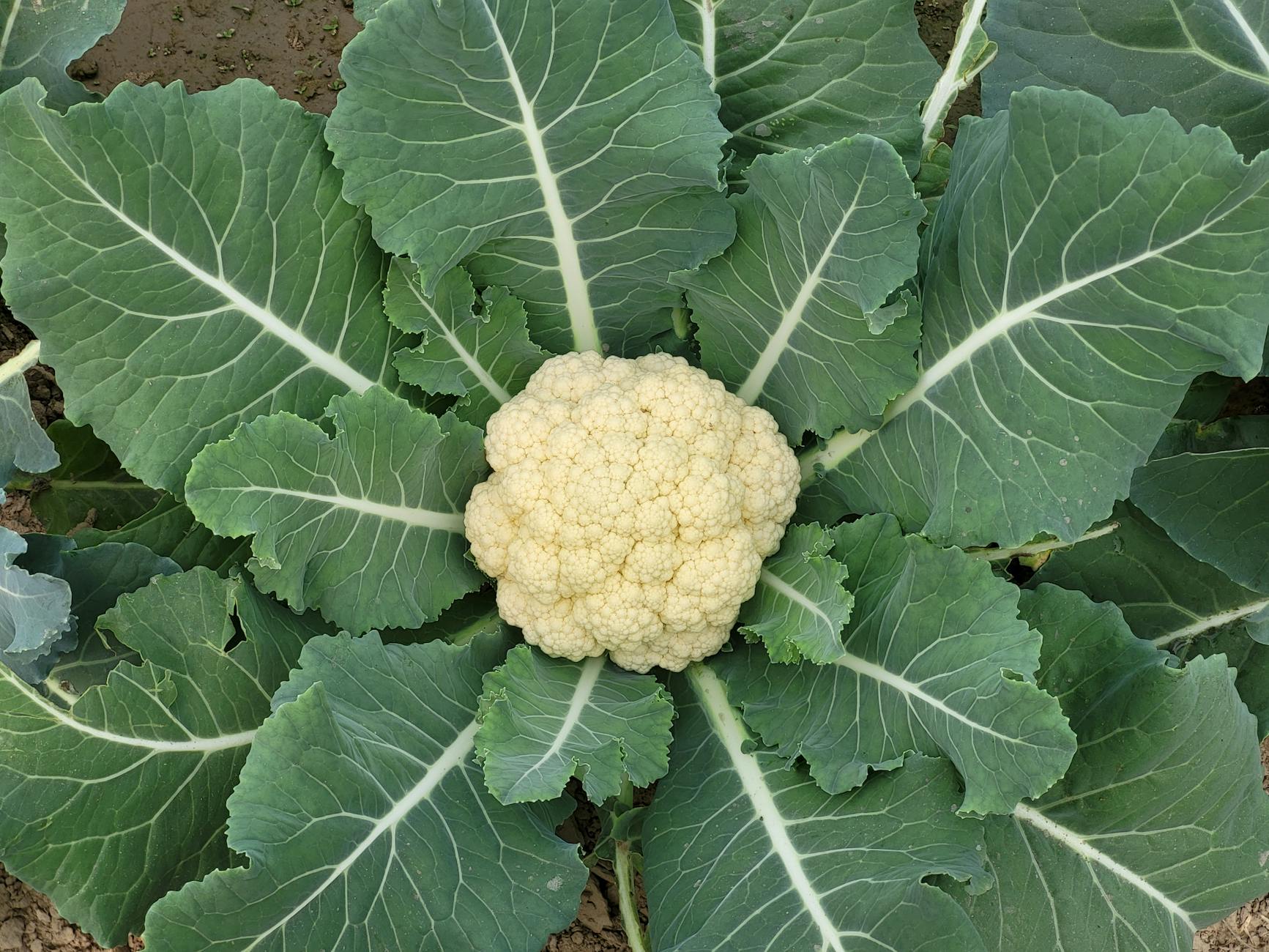
Despite claims circulating online, scientists have not revealed that cauliflower is harmful to brain health. In fact, the opposite is true. Current research indicates that cauliflower and other cruciferous vegetables are beneficial for cognitive function and may help protect against age-related memory decline.
The confusion appears to stem from sensationalized headlines that misrepresent actual neuroscience research focused on entirely different foods—specifically ultra-processed meats and sugary beverages, which genuinely do pose risks to brain health. The claim that cauliflower damages the brain contradicts decades of nutritional science. A person concerned about protecting their memory and reducing dementia risk would benefit far more from eliminating processed foods from their diet than from avoiding vegetables like cauliflower. Understanding the difference between supported science and clickbait is essential when making dietary choices for brain health.
Table of Contents
- What Does the Real Research Say About Foods That Harm Brain Health?
- The Brain-Protective Compounds in Cauliflower That Scientists Have Identified
- The Role of Choline in Cauliflower for Brain Development and Function
- Plant-Based Diet Quality Matters More Than Plant-Based Status Alone
- The Dangers of Unhealthy Plant-Based Choices for Cognitive Health
- Building a Brain-Protective Diet Around Whole Foods
- Moving Forward: Evidence-Based Choices for Brain Health
- Conclusion
What Does the Real Research Say About Foods That Harm Brain Health?
When researchers investigate foods that negatively impact cognitive function, they consistently point to ultra-processed products—not whole vegetables. Virginia Tech researchers studying food and cognition found that ultra-processed foods and sugary beverages are directly linked to declines in brain health and memory issues. This research distinguishes between foods processed at industrial levels (like packaged snack cakes, processed meats, and soda) and whole foods that undergo minimal processing, like fresh cauliflower.
The scientific evidence is specific: it’s the additives, excess sugar, and inflammatory components in processed foods that damage brain tissue, not nutrients found in plant foods. When a headline claims vegetables cause brain damage without citing peer-reviewed research, it’s worth questioning the source. The distinction matters because following misinformation could lead someone to eliminate truly protective foods while unknowingly consuming the products that actually harm brain health.

The Brain-Protective Compounds in Cauliflower That Scientists Have Identified
Cauliflower belongs to the cruciferous vegetable family, which includes broccoli, Brussels sprouts, and cabbage. These vegetables contain sulforaphane and other glucosinolate compounds that have demonstrated neuroprotective properties in peer-reviewed studies published in journals like the MDPI Nutrition Journal. Sulforaphane specifically activates cellular defense mechanisms that protect neurons from oxidative stress—a primary driver of cognitive decline and dementia.
The neuroprotective effects of these compounds have been documented across multiple studies, making cruciferous vegetables some of the most researched foods in brain health nutrition. Someone eating a half-cup of cooked cauliflower several times per week is consuming measurable amounts of compounds actively studied for their ability to preserve memory and slow cognitive aging. This direct contradiction to the viral claim deserves attention from anyone genuinely concerned about dementia prevention.
The Role of Choline in Cauliflower for Brain Development and Function
Beyond sulforaphane, cauliflower is a significant source of choline, an essential nutrient that plays a central role in brain health throughout the lifespan. Choline supports the synthesis of acetylcholine, a neurotransmitter critical for memory formation and cognitive function. It also contributes to the structural integrity of cell membranes in the brain.
Cleveland Clinic and other medical institutions highlight choline as an often-overlooked nutrient that many people don’t consume in adequate amounts. One cup of raw cauliflower provides roughly 45 milligrams of choline—a meaningful contribution toward the daily recommended intake. Populations that consume adequate choline demonstrate better cognitive outcomes in aging studies, while choline deficiency has been associated with increased risk of cognitive decline. For someone trying to eat brain-protective foods, including choline-rich vegetables like cauliflower is a straightforward strategy backed by established neuroscience.
Plant-Based Diet Quality Matters More Than Plant-Based Status Alone
Recent research from April 2026, reported by US News & World Report, has clarified an important distinction: while plant-based diets *can* be healthy for the brain, the quality of plant foods matters significantly. A plant-based diet consisting primarily of processed plant foods, refined grains, and plant-based junk foods does not protect brain health and may actually harm it. Conversely, a plant-based diet rich in whole vegetables, legumes, nuts, and seeds provides robust brain protection.
This nuance explains why headlines sometimes appear claiming vegetables harm the brain—they may stem from studies about unhealthy plant-based diets that emphasize processed foods. But the solution isn’t to avoid vegetables; it’s to ensure that plant foods are whole foods rather than processed substitutes. Someone choosing between cauliflower and plant-based processed meats should unquestionably choose the cauliflower.
The Dangers of Unhealthy Plant-Based Choices for Cognitive Health
Not all plant-based choices support brain health equally. Ultra-processed plant-based products—including some plant-based meats, desserts, and snacks—often contain the same problematic ingredients as their animal-derived counterparts: excessive sodium, added sugars, and inflammatory oils. Consuming these products regularly can produce the same negative cognitive outcomes as eating ultra-processed animal products.
The brain health benefit comes from whole plant foods, not from the absence of animal products. This distinction is critical for anyone following a plant-based diet who wants to protect their brain. A diet of processed plant-based foods combined with refined grains and sugary beverages offers little cognitive protection, regardless of whether it’s technically plant-based. The research consistently shows that whole food quality—whether plant or animal origin—is the primary factor influencing brain health outcomes.

Building a Brain-Protective Diet Around Whole Foods
Protecting brain health through diet requires focusing on whole foods and minimizing ultra-processed products. This approach naturally includes cruciferous vegetables like cauliflower alongside other protective foods: leafy greens rich in lutein and zeaxanthin, berries high in anthocyanins, fatty fish providing omega-3 fatty acids, nuts and seeds, and legumes. Each category brings different neuroprotective compounds to the diet.
A practical example: someone concerned about dementia risk might prepare roasted cauliflower with olive oil and garlic as a side dish, paired with grilled salmon and a leafy green salad. This single meal combines multiple neuroprotective foods and excludes ultra-processed ingredients. Over time, building meals around this principle—whole foods with diverse nutrients—creates the dietary foundation that research consistently associates with preserved cognitive function in aging.
Moving Forward: Evidence-Based Choices for Brain Health
As misinformation about nutrition continues to spread through social media and sensationalized headlines, developing the skill to evaluate sources becomes increasingly important. When encountering a dramatic claim about a food being harmful or beneficial, asking whether peer-reviewed research supports it is a useful first step.
Claims about cauliflower damaging the brain fail this test; claims about ultra-processed foods harming cognition pass it consistently. The future of dementia prevention relies on individuals making informed dietary choices based on actual science rather than viral claims. The evidence supporting the brain-protective benefits of cruciferous vegetables like cauliflower is robust and growing, suggesting that these foods will likely remain central to evidence-based brain health recommendations for decades to come.
Conclusion
The claim that cauliflower is harmful to brain health is not supported by scientific evidence and appears to be misinformation. Current research consistently demonstrates that cauliflower and other cruciferous vegetables contain compounds with neuroprotective properties and are beneficial for cognitive function. The actual threats to brain health come from ultra-processed foods and sugary beverages—entirely different products from whole vegetables.
If you’re concerned about protecting your brain health and reducing dementia risk, the evidence supports consuming whole plant foods like cauliflower, reducing ultra-processed foods from your diet, and maintaining consistent physical activity. Consulting with a healthcare provider or registered dietitian can help personalize these evidence-based recommendations for your individual health needs. Don’t let misinformation distract you from the real dietary factors that science has shown matter for brain protection.
You Might Also Like
- Scientists Reveal wild blueberries Is One of the Worst Foods for Brain Health
- Scientists Reveal walnuts Is One of the Worst Foods for Brain Health
- Scientists Reveal turmeric Is One of the Worst Foods for Brain Health
For more, see Alzheimer’s Association — medical tests.