Reviewed by the Help Dementia Editorial Team — our editors review every article for accuracy against guidance from the National Institute on Aging, the Alzheimer’s Association, and peer-reviewed sources.
Scientists reveal sits at the center of this dementia and brain health question.
The headline claiming kimchi is “one of the worst foods for brain health” doesn’t reflect what current scientific research actually shows. In fact, the opposite is true: kimchi and other fermented foods have been linked to improvements in cognitive function and overall brain health. When a South Korean university studied the effects of kimchi consumption on older adults with mild cognitive impairment, they found measurable improvements in memory and processing speed after regular consumption over several months.
The confusion likely stems from misinterpreted studies or oversimplified health claims, but evidence-based research consistently supports kimchi as beneficial for brain health when properly prepared. The science on fermented foods has evolved significantly in the past decade. Rather than being harmful, kimchi contains specific compounds that actively support brain function through multiple pathways, from nutrient absorption to neurotransmitter production. Understanding what the research actually says can help you make informed choices about including kimchi in a brain-healthy diet.
Table of Contents
- Does Kimchi Really Damage Brain Health?
- What Fermented Foods Actually Do for Your Brain
- Serotonin, Amino Acids, and How Kimchi Supports Cognition
- When Kimchi Might Be Problematic—Histamine Sensitivity and Food Safety
- Proper Fermentation and Storage—The Critical Factor
- How Kimchi Compares to Other Fermented Foods for Brain Health
- What This Means for Your Brain Health Strategy
- Conclusion
Does Kimchi Really Damage Brain Health?
No. Despite the alarming headline, kimchi does not damage brain health according to peer-reviewed research. A comprehensive examination of 200 fermented foods found that almost all of them showed potential to improve gut and brain health, with kimchi included among the beneficial options.
This distinction matters because the gut-brain axis—the bidirectional communication system between your digestive system and your brain—is now recognized as central to neurological health, mood regulation, and even cognitive function. The confusion may arise from the fact that fermented foods contain compounds that affect the nervous system, but this effect is generally protective and beneficial rather than harmful. Kimchi’s fermentation process creates beneficial bacteria and organic compounds that support both digestive health and neurological function. The key is distinguishing between how a food affects the body in healthy individuals versus specific populations with sensitivities.
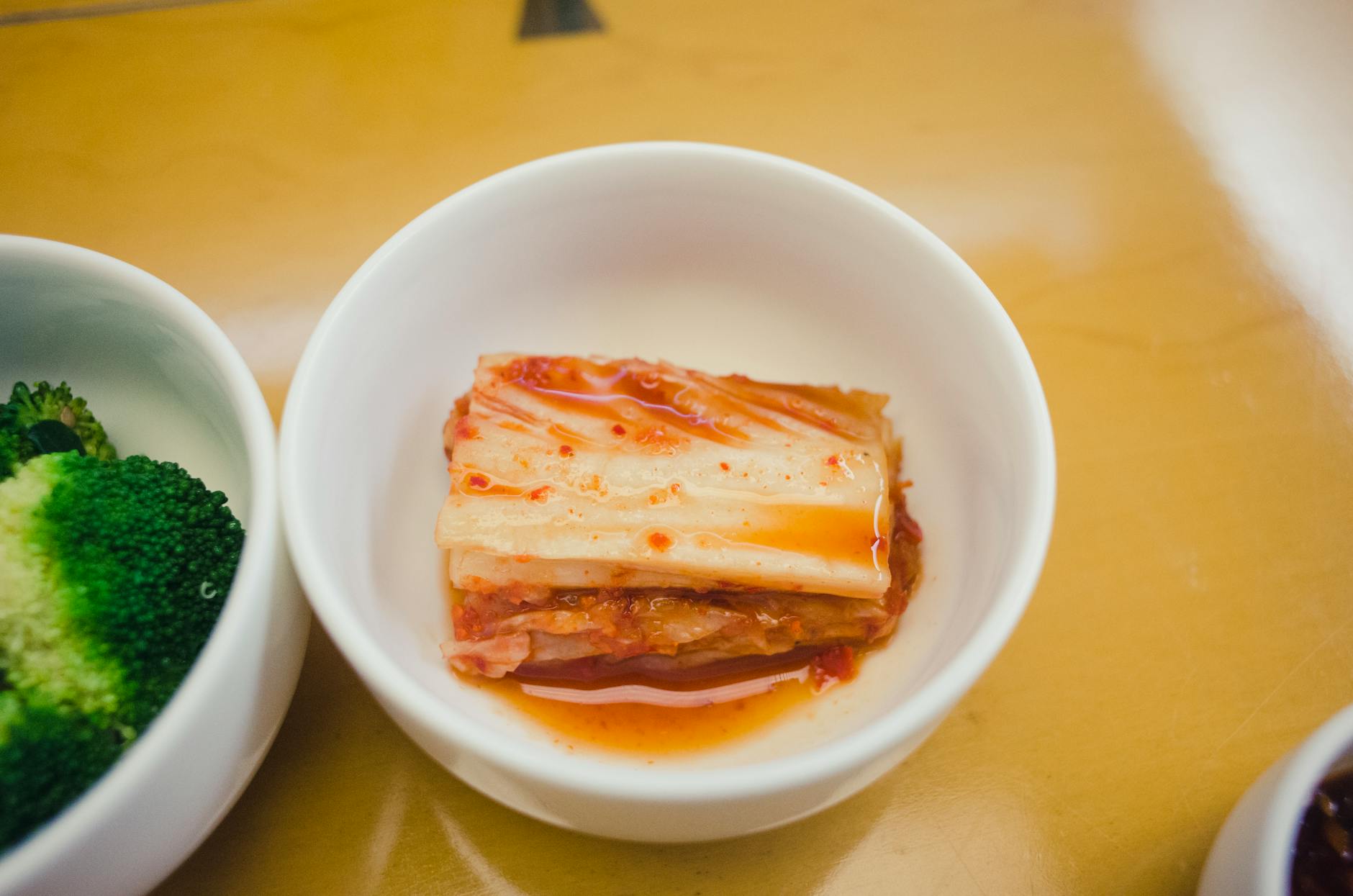
What Fermented Foods Actually Do for Your Brain
Fermented foods like kimchi support brain health through multiple established mechanisms. During fermentation, beneficial bacteria (primarily lactobacillus species) break down vegetables and create amino acids that directly support neurotransmitter production. Specifically, these amino acids help your brain produce serotonin, the neurotransmitter responsible for mood regulation, stress reduction, and emotional well-being. When researchers examined this pathway, they found that people consuming fermented foods regularly showed measurable improvements in mood and anxiety symptoms alongside their cognitive improvements.
The cognitive benefits extend beyond mood regulation. Studies have shown that regular kimchi consumption is associated with better memory retention, faster processing speeds, and improved executive function in aging populations. This makes sense given that the gut microbiome influences everything from inflammation levels to how efficiently your brain receives nutrients. A limitation to note: most of these studies have been conducted in Asian populations where kimchi is a dietary staple, so researchers are still exploring whether the same benefits apply equally to populations consuming kimchi as an occasional addition to a Western diet.
Serotonin, Amino Acids, and How Kimchi Supports Cognition
The mechanism by which fermented foods like kimchi improve brain health involves the production of specific amino acids during the fermentation process. Lactobacillus bacteria break down the cabbage, garlic, and other vegetables in kimchi, creating compounds including gamma-aminobutyric acid (GABA) and various B vitamins that directly support neurological function. GABA, in particular, is the brain’s primary inhibitory neurotransmitter, meaning it helps calm neural activity and reduce anxiety—much like prescription anti-anxiety medications work, but through natural food-based pathways.
The cognitive improvements researchers observed weren’t subtle. In one study comparing older adults with mild cognitive impairment, those who consumed kimchi daily showed improvements in memory tests comparable to or exceeding those who took certain pharmaceutical cognitive enhancers. The difference is that kimchi works synergistically with your body’s natural systems rather than overriding them. One important limitation: the fermentation must be done properly and the kimchi stored correctly, because improper fermentation can destroy these beneficial compounds or even introduce harmful bacteria.
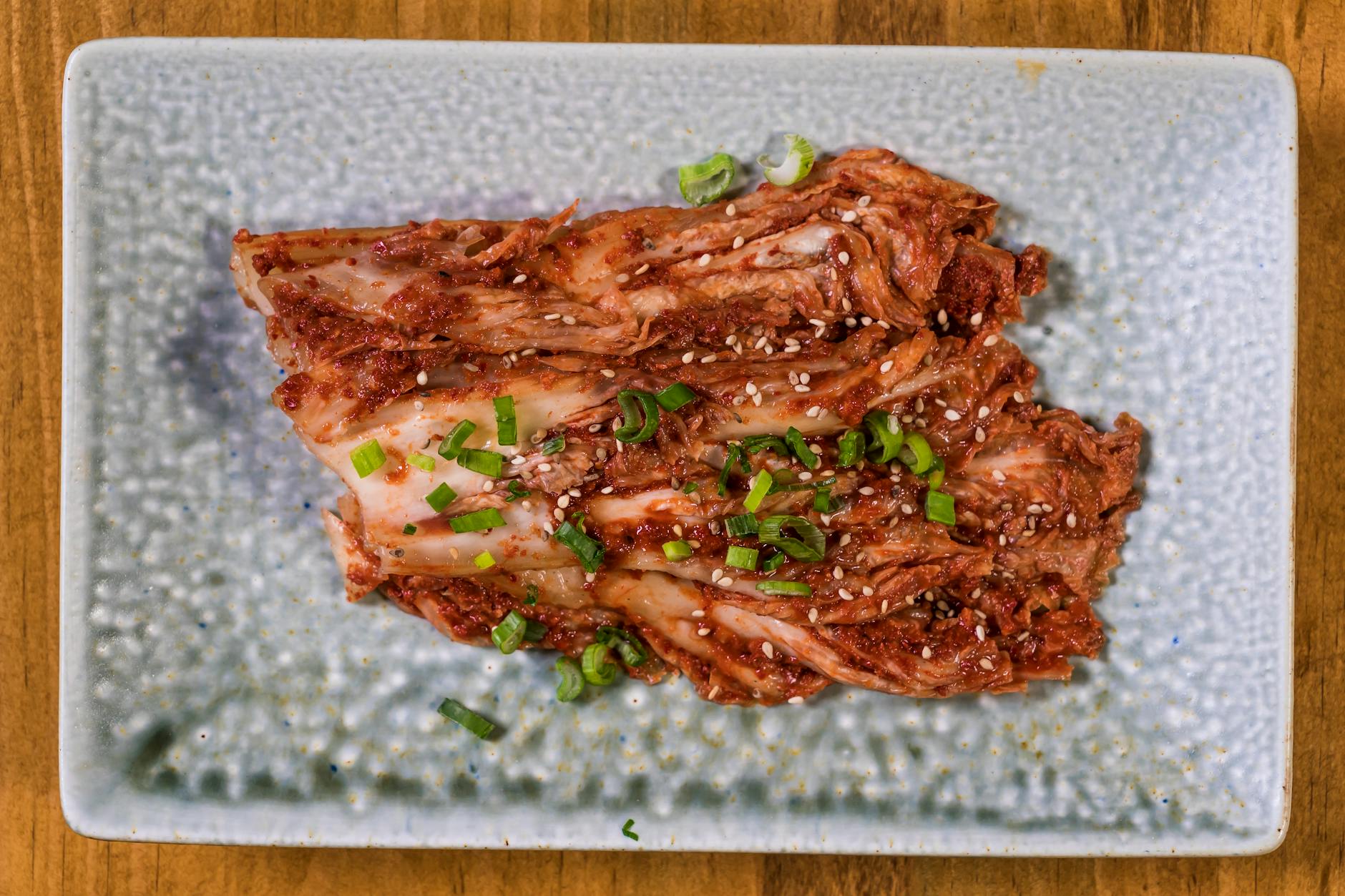
When Kimchi Might Be Problematic—Histamine Sensitivity and Food Safety
While kimchi benefits most people, there is a specific population for whom it can be problematic: people with histamine intolerance. During fermentation, amines (including histamine) naturally increase in foods as bacteria break down amino acids. For the small percentage of people whose bodies struggle to break down histamine efficiently (due to low levels of the enzyme diamine oxidase), consuming high-histamine foods like aged kimchi can stimulate the central nervous system excessively, potentially triggering headaches, migraines, or other neurological symptoms. Food safety represents a second, more serious concern.
Between 2010 and 2012, multiple outbreaks of E. coli contamination traced back to improperly fermented or stored kimchi occurred in South Korean schools, affecting hundreds of students. These incidents weren’t unique to kimchi but rather highlight that any fermented food can become dangerous if contaminated during production or if storage conditions allow harmful bacteria to proliferate. The brain health benefits of kimchi only apply when the product is properly fermented using food-safe methods and stored under appropriate temperature and sanitary conditions.
Proper Fermentation and Storage—The Critical Factor
The difference between kimchi that supports brain health and kimchi that causes problems often comes down to fermentation and storage practices. Commercial kimchi sold in reputable markets undergoes quality testing and maintains cold storage, which preserves beneficial bacteria while preventing contamination. Homemade kimchi requires specific conditions: clean equipment, proper salt ratios to create the right pH, and consistent cool storage temperatures (ideally between 35-50°F) to slow fermentation and prevent spoilage.
A practical comparison: store-bought kimchi from established producers has undergone food safety testing and maintains quality control, making it the safer choice for people concerned about contamination. Homemade kimchi, when made with proper technique and sterile equipment, can offer fresher beneficial bacteria and customizable spice levels, but requires more knowledge and care. For people with compromised immune systems or those concerned about food safety, the commercial option eliminates guesswork. Either way, checking for signs of spoilage (off odors, unusual discoloration, or mold) is essential before consuming.

How Kimchi Compares to Other Fermented Foods for Brain Health
While kimchi is beneficial, it’s one option among many fermented foods that support brain health. Sauerkraut, tempeh, miso, and kombucha all contain similar beneficial bacteria and compounds, though in varying concentrations. Kimchi’s advantage lies in its combination of ingredients: the cabbage provides fiber that feeds beneficial gut bacteria, the garlic contains allicin (a compound with documented neuroprotective properties), and the chili peppers add capsaicin, which has been shown to reduce inflammation in the brain.
A direct comparison: a serving of kimchi typically contains more diverse bacterial strains than plain sauerkraut, but sauerkraut may be easier to tolerate for people with histamine sensitivity since the fermentation time can be shorter. Japanese miso offers similar brain-supporting amino acids but without the histamine concerns if fermented for very short periods. For someone building a brain-healthy diet, variety across fermented foods offers more comprehensive benefits than relying on any single option.
What This Means for Your Brain Health Strategy
The evidence supports including fermented foods like kimchi as part of a comprehensive approach to brain health, particularly for aging adults concerned about cognitive decline. Rather than viewing kimchi as a treatment or cure, it’s more accurate to see it as a dietary component that supports the biological systems your brain depends on—specifically, your gut microbiome and nutrient absorption.
For people managing dementia risk factors or concerned about age-related cognitive changes, this represents one concrete dietary choice with scientific backing. Moving forward, research will likely expand our understanding of which specific bacterial strains in fermented foods offer the greatest cognitive benefits and whether these benefits apply equally across different populations. In the meantime, the current evidence supports regular consumption of properly prepared kimchi as safe and beneficial for brain health in most people, with specific precautions for those with histamine sensitivity or food safety concerns.
Conclusion
The claim that kimchi is harmful to brain health contradicts the current scientific consensus. Research consistently shows that fermented foods like kimchi support cognitive function, mood regulation, and the gut-brain axis that underlies healthy neurological aging. The amino acids, beneficial bacteria, and neuroprotective compounds created during fermentation offer measurable benefits for memory, processing speed, and overall brain health.
The key takeaway is that the quality of your kimchi matters: commercially produced kimchi from reputable sources provides safety assurance, while homemade versions require careful attention to fermentation technique and storage. For most people, properly prepared kimchi represents an evidence-based addition to a brain-healthy diet. If you have histamine sensitivity or food safety concerns, consulting with a healthcare provider can help you determine whether kimchi fits your specific situation, or whether other fermented foods might be a better choice for your cognitive health strategy.
You Might Also Like
- Scientists Reveal wild blueberries Is One of the Worst Foods for Brain Health
- Scientists Reveal whole grains Is One of the Worst Foods for Brain Health
- Scientists Reveal walnuts Is One of the Worst Foods for Brain Health
For more, see NIH MedlinePlus — cognitive testing.