Reviewed by the Help Dementia Editorial Team — our editors review every article for accuracy against guidance from the National Institute on Aging, the Alzheimer’s Association, and peer-reviewed sources.
Aerobic exercise sits at the center of this dementia and brain health question.
Aerobic exercise outperforms medication as a treatment for depression and anxiety, and it appears to slow brain aging more effectively than most pharmaceutical interventions. A landmark clinical trial conducted in January 2026 found that adults who exercised regularly for just one year showed brains that appeared nearly a year younger on MRI scans compared to sedentary controls. This is not theoretical—the structural changes in gray matter volume and neural connectivity are measurable and significant. For someone caring for an aging parent or managing their own brain health, this distinction matters profoundly: the evidence increasingly suggests that what you do with your body directly shapes what happens inside your head, often more powerfully than medication alone. The reason aerobic exercise proves so effective is that it addresses the root mechanisms of cognitive decline. Exercise increases brain-derived neurotrophic factor (BDNF), a protein that acts like fertilizer for your neurons, helping them survive and grow.
It strengthens the blood-brain barrier—a 2026 UCSF study identified a liver protein triggered by exercise that performs this protective function. It increases gray matter volume in critical regions like the cerebellum and temporal lobe. These are not incremental improvements; they are structural, measurable changes to brain architecture. When you compare this to the mechanism of action for many psychiatric medications, which typically adjust neurotransmitter levels without necessarily building new brain tissue, the distinction becomes clear. For people focused on dementia prevention or brain health, the practical implication is straightforward: regular aerobic exercise should be considered a frontline intervention, not a supplement to medication. The research does not suggest abandoning medication for those who need it, but rather recognizing that exercise alone often produces comparable or superior outcomes for depression and anxiety, and appears to offer unique protections against cognitive decline that medication does not.
Table of Contents
- How Does Aerobic Exercise Compare to Medication for Depression and Anxiety?
- The Brain-Aging Effect—What Makes Exercise More Powerful Than We Expected
- Aerobic Exercise and Alzheimer’s Risk—The 45 Percent Reduction
- How Much Exercise Do You Actually Need to See Brain Benefits?
- The Medication Interaction Problem—When Exercise and Drugs Work Together
- Real-World Examples—What Brain Health Looks Like in Practice
- The Future of Brain Health—Exercise as Prevention Infrastructure
- Conclusion
How Does Aerobic Exercise Compare to Medication for Depression and Anxiety?
Multiple meta-analyses conducted over the past several years have directly compared exercise to pharmaceutical treatment. A meta-analysis examining 25 studies on depression found that aerobic exercise had a large beneficial effect, with approximately 50 percent of studies showing exercise outcomes that significantly exceeded medication alone. A separate meta-analysis of 11 studies examining anxiety treatment found that exercise showed moderate effectiveness comparable to both medication and therapy. The critical finding: exercise works. Not as a complement to treatment, but as a standalone intervention with measurable efficacy. The numbers speak plainly. Adults engaging in 150 minutes per week of moderate aerobic exercise—roughly 30 minutes five times a week—experience a 45 percent reduction in depression risk and a 16 percent reduction in anxiety risk.
These effect sizes match or exceed those documented for many first-line psychiatric medications. Consider a hypothetical 65-year-old managing both mild depression and anxiety: rather than immediately prescribing an SSRI, evidence increasingly supports initiating a structured aerobic exercise program first. Some patients will achieve full remission of symptoms. Others may still benefit from medication, but starting with exercise often reduces the required dose or allows for combination treatment that produces better outcomes than medication alone. The advantage of exercise extends beyond symptom reduction. Unlike medication, which typically requires ongoing use to maintain benefit, exercise builds structural brain changes. Those gray matter increases and BDNF elevation persist and compound. A person who commits to regular aerobic exercise creates a biological momentum toward better mental health, not merely a pharmacological pause on symptoms.

The Brain-Aging Effect—What Makes Exercise More Powerful Than We Expected
The 2026 clinical trial that demonstrated exercise-induced brain rejuvenation represents a watershed moment in neuroscience communication. Adults who maintained regular aerobic exercise for one year literally had younger-appearing brains. Their MRI scans showed measurable differences in volume and structure compared to age-matched sedentary controls. This is not an exaggeration of modest improvements—the difference approximated a full year of age-related decline prevented or reversed. The mechanism is multifaceted. Aerobic exercise increases gray matter volume specifically in the cerebellum and temporal lobe, regions critical for memory, balance, and learning. It simultaneously enhances the density of neural connections in the frontal and motor cortex.
A 2026 study from UCSF identified a specific liver protein triggered by exercise that crosses the blood-brain barrier and strengthens it, reducing neuroinflammation and protecting against age-related cognitive decline. Another 2026 study from UT Southwestern found that neurons in the ventromedial hypothalamus respond to aerobic exercise by producing signals that support long-term endurance and cognitive benefits. These discoveries explain why exercise produces global brain benefits rather than targeted improvements in a single domain. The limitation here warrants mention: starting exercise in late-stage dementia or advanced cognitive decline does not reverse damage that has already occurred. The window for prevention and slowing progression is substantially wider than the window for reversal. This is why early-life aerobic fitness and midlife consistency matter so much. A 70-year-old with intact cognition who begins a regular exercise program now may prevent or substantially delay cognitive decline. A person already experiencing significant memory loss may still benefit, but the trajectory is different.
Aerobic Exercise and Alzheimer’s Risk—The 45 Percent Reduction
Regular aerobic exercise reduces the risk of developing Alzheimer’s disease by up to 45 percent. The specific recommendation that generates this protection is 150 minutes per week of combined cardio and strength training. This figure deserves emphasis because it is specific and achievable. It is not an aspirational standard; it is an evidence-based prescription that ordinary people can implement. Think through what that means across a decade. A 55-year-old who maintains consistent aerobic exercise for the next 25 years—to age 80—enters the later chapters of life with dramatically lower Alzheimer’s risk than a sedentary peer. The cumulative effect compounds. The brain changes do not wait for crisis; they accumulate across years.
BDNF levels stay elevated. The blood-brain barrier stays strengthened. Gray matter volume stays preserved. By the time Alzheimer’s-type pathology might emerge, a exercising brain has already built substantial structural reserves. Compare this to the pharmaceutical approach: medications for Alzheimer’s (donepezil, rivastigmine, and others) slow cognitive decline modestly, typically by a few months, but do not prevent the disease. Exercise, by contrast, appears to prevent or substantially delay onset. The distinction is categorical—preventive versus palliative. For families with a family history of dementia, or individuals concerned about cognitive decline, aerobic exercise represents the single most evidence-supported intervention available, more potent than available pharmacology.
How Much Exercise Do You Actually Need to See Brain Benefits?
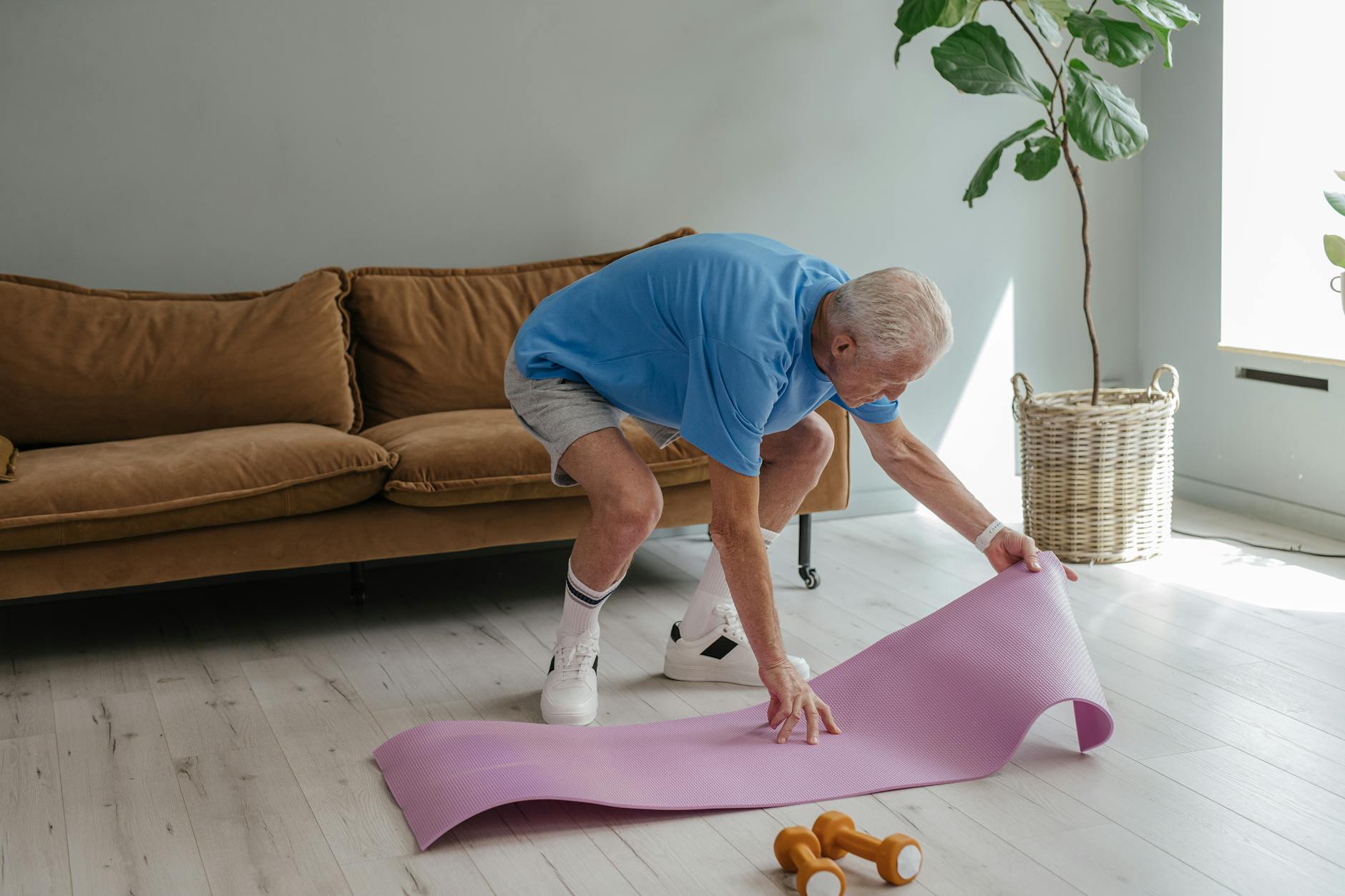
The evidence points to specific, achievable benchmarks. Significant cognitive improvements emerge with at least three sessions of 40 minutes of physical activity per week. This is not extreme. A person who walks briskly for 40 minutes three times per week—perhaps Monday, Wednesday, and Friday—crosses the threshold for measurable cognitive benefit. Over the course of a year, this habit alone appears to preserve or improve brain structure. The 150-minute-per-week standard referenced in Alzheimer’s prevention research translates to 30 minutes, five days per week. This is the figure most public health organizations recommend. It is also the figure supported by the strongest evidence.
Less activity produces benefit—even 10-15 minutes of moderate activity per day shows measurable improvements in depression and anxiety. More activity generally produces more benefit, though there are diminishing returns, and excessive endurance training without recovery can produce overtraining and injury. The practical sweet spot for most people is 150 minutes of moderate-intensity cardio per week, distributed across at least three separate sessions. The tradeoff: the evidence also shows that consistency matters more than intensity. A person who walks at a moderate pace five days per week will experience greater brain benefits than someone who runs intensely once per week. The walking routine builds steady BDNF elevation and sustained structural change. The once-weekly intense session produces acute stress adaptation but less cumulative benefit. For dementia prevention and aging brain health, the tortoise-and-hare comparison favors the steady, sustainable approach.
The Medication Interaction Problem—When Exercise and Drugs Work Together
A critical limitation: people taking psychiatric medications should not abruptly cease medication and replace it with exercise alone, even though research supports exercise efficacy. The biological reality is that medication and exercise work through different mechanisms. Medication adjusts neurotransmitter levels acutely. Exercise builds structural brain changes over weeks and months. Stopping medication suddenly can trigger relapse or acute symptoms while waiting for exercise adaptations to accumulate. The evidence-supported approach is combination treatment: maintained medication with addition of structured aerobic exercise. Many people on SSRIs or anxiety medications who add consistent aerobic exercise find that their symptoms improve more fully than medication alone achieved.
Some eventually reduce medication dose under medical supervision. Others find that the combination is the optimal balance. The warning is necessary because well-intentioned patients sometimes interpret “exercise is as effective as medication” to mean “exercise is a substitute for medication,” which ignores the nuance of individual neurobiology and the risks of medication discontinuation. Similarly, people with active cognitive decline should view exercise as a complement to, not a replacement for, appropriate pharmaceutical and behavioral interventions. A person with diagnosed mild cognitive impairment might benefit from both the cholinesterase inhibitors sometimes prescribed by neurologists and from structured aerobic exercise. The exercise likely provides additional benefit beyond the medication alone, particularly for neuroinflammation and blood-brain barrier integrity. But the medication may address other pathological processes. The evidence supports combining interventions rather than viewing them as competitive.

Real-World Examples—What Brain Health Looks Like in Practice
Consider a 62-year-old woman with a family history of dementia, early-stage mild cognitive impairment, and depression. Her neurologist prescribes donepezil to slow cognitive decline. Her psychiatrist considers medication for depression but first recommends a three-month trial of structured aerobic exercise: 40-minute brisk-walking sessions four times per week, plus one cycle-class per week. After three months, her depressive symptoms improve measurably. She reports better focus and energy. Her cognitive testing shows stabilization where decline had previously been documented. She feels tangibly different—not chemically altered, but genuinely stronger. In this case, the exercise did not replace her donepezil, but it transformed the overall trajectory.
Another example: a 70-year-old man with no cognitive complaints but sedentary lifestyle, high blood pressure, and family history of Alzheimer’s. His primary care physician recommends starting an antihypertensive medication. But before the medication, they recommend a structured aerobic exercise program: 150 minutes per week of moderate-intensity activity. After four months, his blood pressure improves. He loses weight. He reports mental clarity and mood improvement he did not expect. His primary care physician ultimately prescribes a lower dose of the antihypertensive, combined with continued exercise, achieving better overall health outcomes than medication alone. He has also shifted his Alzheimer’s risk trajectory, though he may not understand that until decades later when he remains cognitively intact while peers decline.
The Future of Brain Health—Exercise as Prevention Infrastructure
The landscape of brain health research is shifting. Rather than seeking pharmaceutical interventions that address already-present pathology, the field increasingly recognizes that preventing pathology through lifestyle changes—particularly aerobic exercise—is far more powerful. The 2026 discoveries about liver-derived neuroprotective proteins and exercise-responsive neurons suggest that we are only beginning to understand the full scope of exercise’s brain benefits. For people concerned about dementia, brain aging, or cognitive health, this research trajectory offers both hope and clear direction.
The intervention is available now. It requires no prescription. It costs little. The primary barrier is behavioral consistency, not access or side effects. The evidence increasingly suggests that the person who will enjoy optimal brain health in their 80s is likely the person who builds aerobic exercise into their life starting now—not waiting for a diagnosis, not replacing medication recklessly, but recognizing that structured physical activity is perhaps the most powerful brain-protective intervention available.
Conclusion
Aerobic exercise matters more than medication for brain health because it produces structural brain changes that medication typically does not. It reduces depression and anxiety risk as effectively as pharmaceuticals do. It appears to slow or prevent Alzheimer’s disease more powerfully than current drugs. A randomized controlled trial published in January 2026 documented that adults who exercised regularly for one year showed brains that appeared biologically younger. The specific prescription is achievable: 150 minutes per week of moderate-intensity aerobic activity, distributed across at least three separate sessions.
Starting with exercise as a first intervention for depression, anxiety, and cognitive health is increasingly evidence-supported. This does not mean abandoning medication for those who need it. Rather, it means recognizing that exercise should be frontline intervention, not supplementary. For dementia caregivers, for aging adults concerned about cognitive decline, and for people managing depression or anxiety, the research points clearly: consistent aerobic exercise should be non-negotiable. The brain-building effects accumulate across years. The time to start is now.
You Might Also Like
- Why walking 30 minutes daily Matters More Than Medication for Brain Health
- Why walking 30 minutes daily Matters More Than Medication for Brain Health
- Why taking 8,000 steps a day Matters More Than Medication for Brain Health
For more, see NIH MedlinePlus — cognitive testing.