Reviewed by the Help Dementia Editorial Team — our editors review every article for accuracy against guidance from the National Institute on Aging, the Alzheimer’s Association, and peer-reviewed sources.
Yes, treating diabetes can meaningfully protect against dementia. Recent research shows that managing type 2 diabetes with certain medications—particularly GLP-1 receptor agonists and SGLT-2 inhibitors—is associated with significantly lower dementia risk. A landmark 2024 study published in *Alzheimer’s & Dementia* found that semaglutide, a GLP-1 agonist, was associated with a 40-70% decreased risk of first-time Alzheimer’s diagnosis in over 1 million US patients with type 2 diabetes. Even more striking, research from a propensity-matched cohort of 295,000+ patients found that GLP-1 agonists overall reduced dementia risk by up to 70%. These findings suggest that the routine act of treating diabetes isn’t just about managing blood sugar—it may be one of the most powerful steps people can take to protect their brain health.
The connection between diabetes and dementia isn’t new to researchers. Type 2 diabetes accelerates cognitive decline and increases dementia risk by 50-60% compared to people without diabetes. But what’s changing rapidly is our understanding of *how* diabetes medications can reverse this trend. The medications working to control blood sugar appear to offer unexpected neuroprotection—direct benefits to brain tissue itself. This means someone managing their diabetes with the right medication regimen may be doing far more than keeping their A1C in check; they could be building a shield against Alzheimer’s and other forms of dementia.
Table of Contents
- How Can Diabetes Medications Lower Your Dementia Risk?
- The Underlying Science: Why Diabetes Damages the Brain (And How Treatment Helps)
- The Cardiovascular Connection: Why Heart Health and Brain Health Are Intertwined
- Choosing the Right Diabetes Medication: What Works Best for Brain Health?
- The Limitation of Prevention Without Treatment: When Lifestyle Alone Isn’t Enough
- What the 2025 Trials May Reveal About Dementia Treatment
- Building a Dementia Defense Strategy: Diabetes Treatment as One Tool Among Many
- Conclusion
How Can Diabetes Medications Lower Your Dementia Risk?
The most promising evidence centers on two classes of diabetes drugs. GLP-1 receptor agonists—medications like semaglutide (Ozempic, Wegovy), liraglutide (Victoza), dulaglutide (Trulicity), exenatide (Byetta), and albiglutide—have shown the most dramatic protection. In the 2024 *Alzheimer’s & Dementia* study of 1,094,761 patients, those taking semaglutide had a 40-70% reduction in Alzheimer’s diagnosis risk. A separate propensity-matched cohort analysis found similar results across all GLP-1 drugs, with up to 70% dementia risk reduction. The mechanism appears to involve more than blood sugar control; these medications may reduce brain inflammation, protect neurons from damage, and improve insulin signaling in the brain itself. SGLT-2 inhibitors—drugs like empagliflozin (Jardiance), dapagliflozin (Farxiga), and canagliflozin (Invokana)—show a different but equally important protective effect.
A 2024 cohort study of 110,885 matched pairs found that SGLT-2 inhibitor users had a 35% lower dementia risk compared to those taking DPP-4 inhibitors (another diabetes drug class). The benefits were specific: SGLT-2 inhibitors reduced Alzheimer’s disease risk by 39% and vascular dementia risk by 52%. This dual benefit matters because dementia isn’t one disease—it’s many, and protection against multiple types suggests the medication is working on fundamental brain health mechanisms rather than just one pathway. Even older, less celebrated diabetes medications show benefits. Metformin and thiazolidinediones have been associated with reduced dementia risk in type 2 diabetes patients, though the evidence is less dramatic than with GLP-1s and SGLT-2 inhibitors. The pattern is clear: treating diabetes comprehensively—rather than ignoring it—appears to shift the odds in favor of maintaining cognitive health.
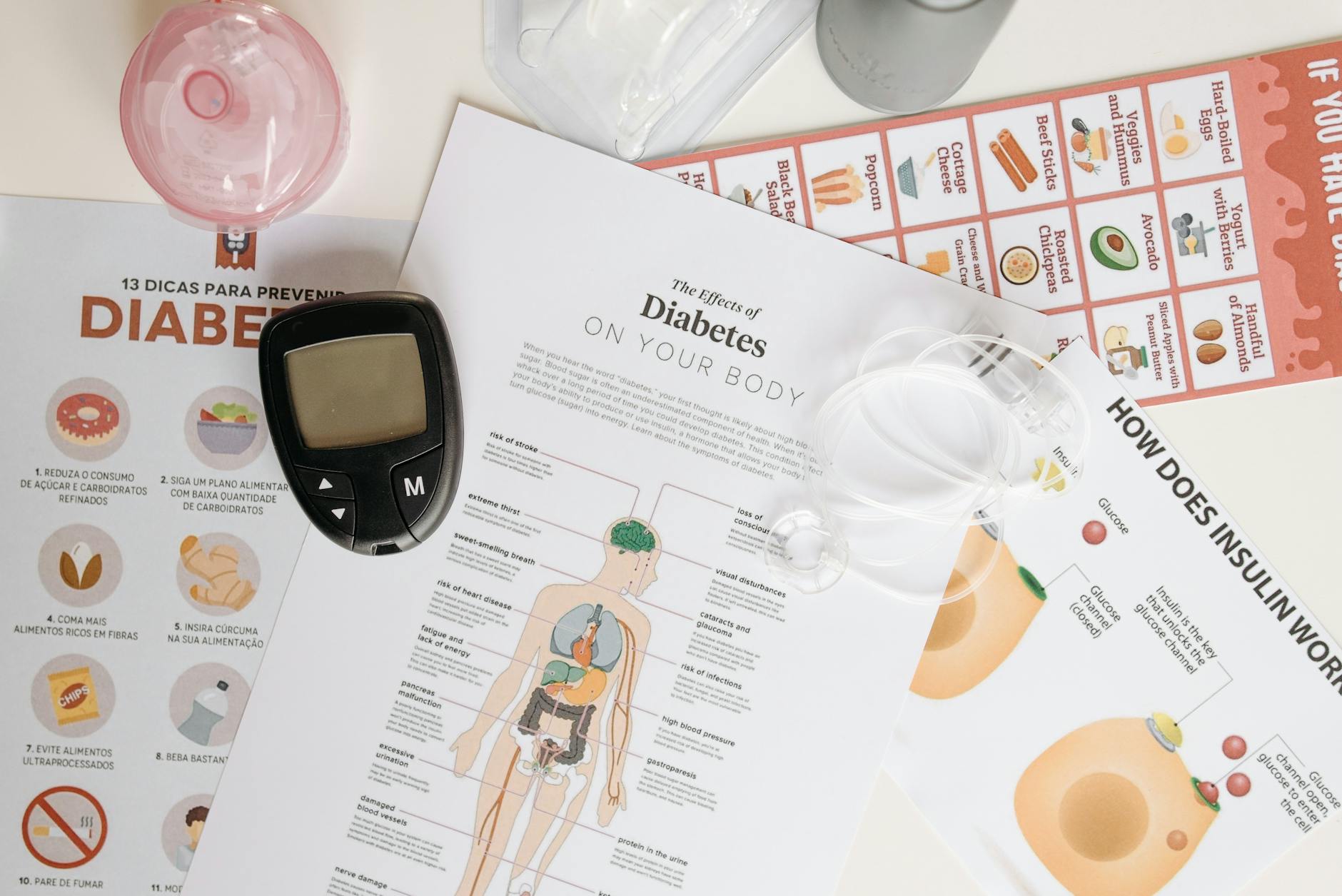
The Underlying Science: Why Diabetes Damages the Brain (And How Treatment Helps)
Type 2 diabetes doesn’t just affect the pancreas and blood vessels; it damages the brain through multiple pathways. High blood sugar causes chronic inflammation in brain tissue, damages the small blood vessels that feed neurons, and impairs insulin signaling in the brain—a process essential for memory and learning. Diabetes also accelerates amyloid plaques and tau tangles, the hallmarks of Alzheimer’s pathology. Over time, these changes erode cognitive function, starting with mild cognitive impairment and progressing to dementia. This is why untreated diabetes is such a strong dementia risk factor. The newer diabetes medications interrupt these pathways in ways researchers are still fully understanding, but several mechanisms have emerged.
GLP-1 agonists reduce inflammation, improve blood flow to the brain, and may protect neurons directly through neuroprotection pathways independent of blood sugar control. Some evidence suggests they reduce amyloid-beta accumulation. SGLT-2 inhibitors improve blood vessel function, reduce oxidative stress, and promote a metabolic shift that may be beneficial for brain cells. Neither medication class works only through glucose control—that’s why their dementia protection is so significant. A critical limitation, however, is that most of this evidence comes from observational studies and cohort analyses, not yet from large randomized controlled trials specifically designed to test dementia prevention. Global trials on GLP-1 drugs are expected to report results in late 2025, which may provide more definitive answers. Until then, the protective association is compelling but not yet proven beyond doubt.
The Cardiovascular Connection: Why Heart Health and Brain Health Are Intertwined
The American Heart Association recently made an important connection: optimal cardiovascular health may offset dementia risk in people with type 2 diabetes. Their analysis of Life’s Essential 8 metrics—blood pressure, cholesterol, blood glucose, BMI, physical activity, diet, sleep, and smoking—found that people with diabetes who maintained optimal heart health had significantly lower risk of mild cognitive impairment and dementia. This matters because many diabetes medications, particularly the newer GLP-1s and SGLT-2 inhibitors, improve cardiovascular health as a side benefit. Consider someone taking semaglutide for type 2 diabetes.
They’re not just lowering blood sugar; they’re also reducing blood pressure, improving cholesterol profiles, and often losing weight—all of which protect the heart. The heart-brain connection is direct: high blood pressure damages the small vessels in the brain; poor cholesterol promotes atherosclerosis, reducing blood flow to neural tissue; excess weight increases inflammation. By improving cardiovascular health, diabetes medications create a multiplier effect on brain protection. The practical implication is that treating diabetes should be viewed as brain health investment, not just metabolic management. Someone whose primary goal is dementia prevention might choose a diabetes medication (or add one if their current regimen permits) based partly on its cardiovascular and cognitive benefits, not just its glucose-lowering power.

Choosing the Right Diabetes Medication: What Works Best for Brain Health?
If you have type 2 diabetes, your doctor likely already manages your blood sugar with medication. But the emerging evidence suggests that medication choice matters for brain health, too. GLP-1 agonists and SGLT-2 inhibitors currently show the strongest dementia protection, while metformin and thiazolidinediones show some benefit. DPP-4 inhibitors, by contrast, appear to offer less brain protection and are often used as a comparison group in these studies—not necessarily because they’re harmful, but because they’re less neuroprotective. The trade-off is that GLP-1 agonists and SGLT-2 inhibitors aren’t first-line drugs for everyone.
Older adults, those with certain kidney conditions, or people taking particular other medications may need different options. GLP-1 agonists can cause gastrointestinal side effects and may increase pancreatitis risk in rare cases; SGLT-2 inhibitors increase urinary tract infections slightly and carry a small risk of diabetic ketoacidosis in certain situations. Cost and insurance coverage vary significantly. This is why the conversation about medication choice should happen with your doctor, ideally discussing both blood sugar control and brain protection as dual goals. For someone at high risk of dementia—with a family history, early cognitive changes, or known Alzheimer’s pathology markers—advocating for a GLP-1 or SGLT-2 inhibitor as part of your diabetes regimen may be worth the discussion. If you’re already on one of these medications, you may have unexpected brain-protective benefits working silently in your favor.
The Limitation of Prevention Without Treatment: When Lifestyle Alone Isn’t Enough
A crucial caveat: you cannot prevent dementia through diabetes treatment if you don’t have diabetes to treat. These protective effects appear in people with type 2 diabetes who are taking medication. For people with prediabetes or normal blood sugar, the path to dementia prevention involves different strategies—primarily lifestyle changes like aerobic exercise, Mediterranean diet, cognitive training, and social engagement. Taking diabetes medication without diabetes is neither necessary nor advisable. For those with type 2 diabetes, another important limitation is that medication may reduce dementia risk, but it doesn’t eliminate it.
A 40-70% risk reduction is powerful, but it means some people taking GLP-1s still develop dementia. The medication works best as part of a comprehensive approach that includes blood pressure control, cholesterol management, regular physical activity, cognitive stimulation, and a healthy diet. Someone who takes semaglutide but doesn’t exercise, sleeps poorly, eats a pro-inflammatory diet, and remains cognitively sedentary will have less dementia protection than someone who combines the medication with brain-healthy habits. Additionally, we don’t yet know the optimal duration of treatment. Do you need to take GLP-1s for decades to maintain protection? Can you stop at some point? These questions remain unanswered and highlight why the 2025 trial results will be so important.

What the 2025 Trials May Reveal About Dementia Treatment
Global research teams are currently running dedicated trials on GLP-1 receptor agonists specifically for brain health and dementia prevention. These studies, expected to report results in late 2025, represent a shift from observational evidence to rigorous clinical testing. If these trials confirm the protective effects seen in observational studies, GLP-1 drugs may eventually be prescribed not just for diabetes and weight loss, but as preventive treatment for dementia in high-risk populations.
This could transform dementia care. Rather than waiting for cognitive symptoms to appear, doctors might recommend GLP-1 therapy to people with diabetes, prediabetes, or genetic dementia risk. The medication would work preventively, protecting the brain before damage becomes apparent. Of course, regulatory approval for a new indication takes time, and widespread implementation takes longer still.
Building a Dementia Defense Strategy: Diabetes Treatment as One Tool Among Many
Treating diabetes is one of several proven approaches to dementia prevention, but it’s not the only one. Physical activity, Mediterranean diet, cognitive engagement, quality sleep, blood pressure control, and hearing correction all reduce dementia risk independently. For someone with type 2 diabetes, the advantage is that treating their diabetes with the right medication creates additional protection on top of these other strategies.
Think of dementia prevention as a portfolio approach. Each protective factor—whether it’s exercising regularly, eating well, managing blood pressure, treating sleep apnea, or taking a brain-protective diabetes medication—adds a layer of defense. Someone combining a GLP-1 agonist with regular aerobic exercise, a Mediterranean diet, strong sleep habits, and cognitive engagement has assembled a comprehensive dementia defense system that’s more powerful than any single intervention alone.
Conclusion
The evidence that treating diabetes protects against dementia is now substantial and growing. GLP-1 receptor agonists and SGLT-2 inhibitors show the strongest protection, with studies finding 35-70% dementia risk reductions in people with type 2 diabetes. While we await results from 2025 trials to confirm causation, the current evidence is compelling enough to justify viewing diabetes medication selection as part of cognitive health strategy, not just metabolic management. If you have type 2 diabetes, a conversation with your doctor about whether a GLP-1 or SGLT-2 inhibitor is right for you—discussing both blood sugar goals and brain protection—is a conversation worth having.
But diabetes treatment is only one tool in a comprehensive dementia prevention toolkit. The most powerful approach combines medication management with proven lifestyle changes: regular physical activity, a Mediterranean-style diet, cognitive engagement, quality sleep, and cardiovascular health monitoring. If you’re concerned about dementia risk, whether or not you have diabetes, the time to build these protective habits is now—during midlife and early older age, before cognitive decline begins. For those with type 2 diabetes, the opportunity is particularly important: treating your diabetes well may be one of the most effective ways to protect your future brain health.