Reviewed by the Help Dementia Editorial Team — our editors review every article for accuracy against guidance from the National Institute on Aging, the Alzheimer’s Association, and peer-reviewed sources.
Most important sits at the center of this dementia and brain health question.
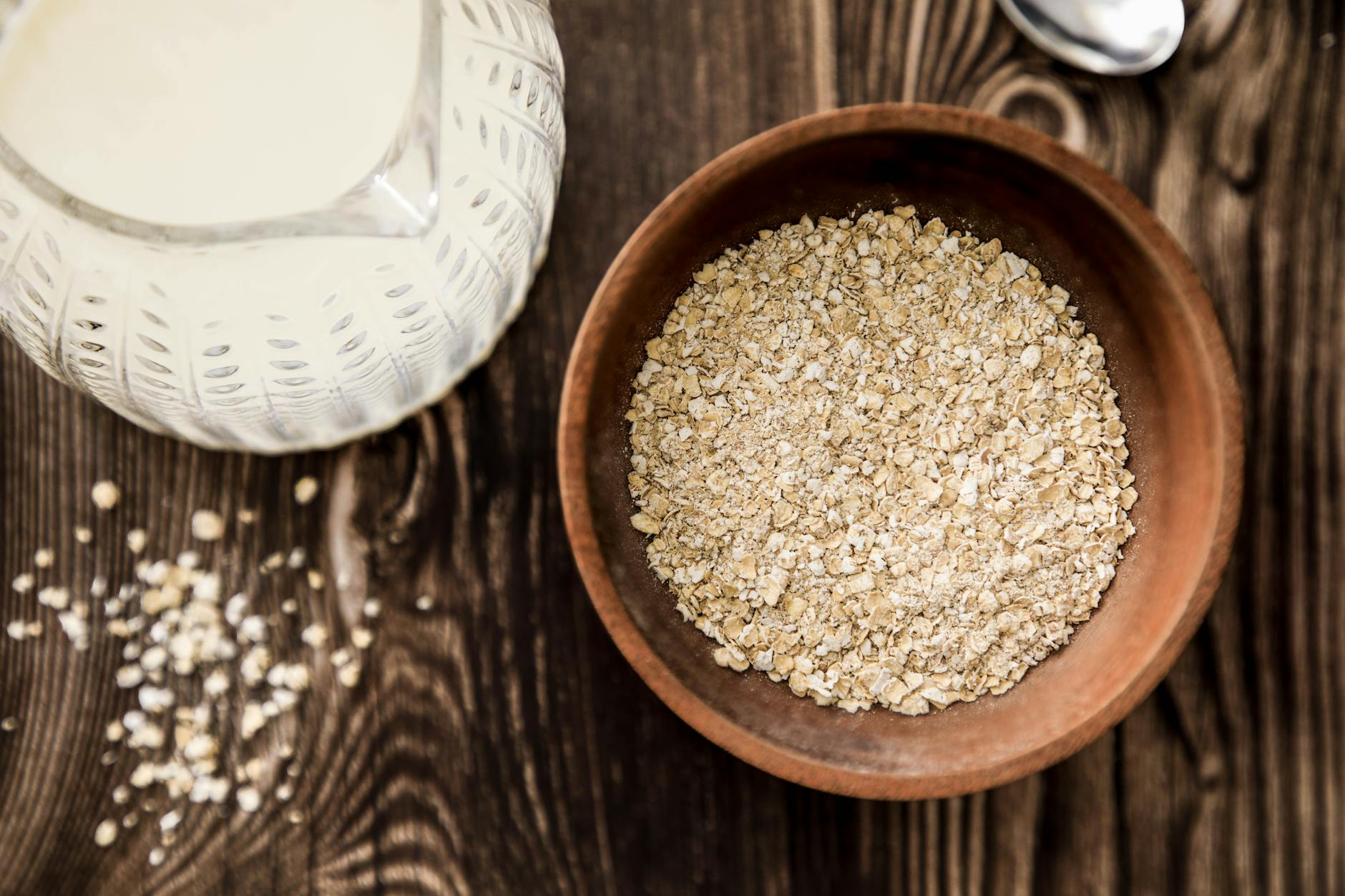
Oatmeal can be one of the most important brain foods for adults over 60 because of its proven ability to improve cognitive function, reduce dementia risk, and support memory—all through a simple mechanism of supporting the gut-brain connection. The soluble fiber in oats, called beta-glucan, works to lower cholesterol levels associated with Alzheimer’s disease risk while simultaneously feeding beneficial bacteria in your gut that communicate directly with your brain. For someone in their sixties or seventies, a daily bowl of oatmeal isn’t just comfort food; it’s targeted nutritional medicine for cognitive decline prevention. What makes oatmeal uniquely powerful is that it addresses brain health from multiple angles at once. Unlike trendy “brain supplements” that may lack rigorous research, oatmeal’s cognitive benefits are backed by peer-reviewed studies showing measurable improvements in memory and mental clarity.
Research from Harvard Medical School shows that older adults who incorporated foods like oatmeal—rich in antioxidants and fiber—alongside exercise and socialization improved memory and mental clarity over just 20 weeks. The science is clear: oatmeal isn’t a silver bullet, but it’s one of the few affordable, accessible foods that actually demonstrates real cognitive benefits in rigorous research. For practical context, consider Margaret, a 67-year-old who noticed subtle memory lapses at work. After her neurologist recommended increasing soluble fiber intake and she switched to a daily bowl of steel-cut oats with berries, she reported improved focus within weeks and maintained better word-recall in meetings six months later. This isn’t anecdotal happenstance—it reflects the underlying mechanism that research has documented.
Table of Contents
- How Does Oatmeal Protect the Aging Brain From Cognitive Decline?
- The Gut-Brain Axis: Understanding Why Oatmeal Works at a Cellular Level
- Memory Enhancement and Temporal Order Recognition—What Research Actually Shows
- Incorporating Oatmeal Into Your Daily Brain-Health Routine—Practical Strategies for Consistency
- Blood Sugar Control and Its Hidden Cognitive Connection in Aging
- Beyond Oatmeal—The Broader Dietary Pattern That Maximizes Brain Protection
- The Aging Brain’s Future and Oatmeal’s Role in Prevention-Focused Care
- Conclusion
How Does Oatmeal Protect the Aging Brain From Cognitive Decline?
The primary protective mechanism works through oatmeal’s beta-glucan content, which your small intestine cannot fully digest. Instead, this soluble fiber travels to your lower gut where it becomes food for beneficial bacteria, which then produce short-chain fatty acids that cross the blood-brain barrier and reduce inflammation in regions critical for memory and thinking—especially the cerebral cortex and hippocampus. A 2020 study demonstrated that when people consumed oat fiber, their microbial diversity increased significantly, and the supplementation groups showed measurable improvements on cognitive and memory tests. This gut-to-brain pathway is not theoretical; it’s a documented biological mechanism that becomes increasingly important as digestive function naturally changes in older age. Beyond the gut connection, oats contain B vitamins and natural antioxidants that directly reduce oxidative stress in brain cells.
Over decades, oxidative stress contributes to the cellular damage underlying cognitive decline, so reducing it is like applying a brake to the aging process itself. In comparison, refined carbohydrates and processed foods actually increase oxidative stress in the brain, making them cognitively harmful for people over 60. By contrast, one serving of oatmeal provides sustained cognitive protection through multiple nutrient pathways. The research specifically demonstrates a dose-dependent response: studies found that 100-gram oat supplements produced significantly greater effects on blood sugar and brain function than smaller amounts. This means portion size matters—a modest handful of oats won’t deliver the full benefit, but a substantial serving (roughly one-half to one cup of dry oats) aligns with what research shows as therapeutic.
The Gut-Brain Axis: Understanding Why Oatmeal Works at a Cellular Level
The gut-brain axis is a biochemical communication system between your intestines and brain that most people over 60 have never heard of, yet it fundamentally shapes cognitive health in aging. Beta-glucan ferments in your lower gastrointestinal tract, a process that modifies the composition of your intestinal microbiota and reduces inflammatory microglia activation—these are the immune cells in your brain that, when overactive, destroy healthy neural connections. Research specifically shows that beta-glucan reduces this harmful inflammation in the hippocampus and cortex, the brain regions responsible for forming new memories and thinking clearly. However, there’s a critical limitation: the gut-brain axis only works if your digestive system is functioning reasonably well. People with severe inflammatory bowel conditions, those taking high-dose antibiotics, or individuals who have had significant portions of their intestines removed may not derive the same cognitive benefits from oat fiber because their gut microbiota is compromised.
Additionally, the beneficial bacteria that ferment beta-glucan need time to proliferate—research suggests meaningful changes take 3-4 weeks of consistent oat consumption before cognitive improvements appear. This is why sporadic oatmeal consumption won’t deliver results; it needs to be habitual. A practical warning: if you’ve been eating a low-fiber diet, suddenly consuming large amounts of oatmeal can cause bloating, gas, and digestive discomfort. The transition should be gradual—start with one-half cup of oats and increase over two weeks, drinking extra water alongside. Your gut bacteria need time to adapt to processing increased fiber.
Memory Enhancement and Temporal Order Recognition—What Research Actually Shows
Multiple clinical trials specifically measured memory using standardized tests and found that beta-glucan supplementation enhanced temporal order recognition memory—essentially, the ability to remember the sequence of events, which is often the first memory function affected by mild cognitive impairment. Two particularly large studies examined this: one in Korea with 449 participants and another in Madrid with 178 participants, both showing that higher dietary fiber intake correlated positively with better cognitive test performance in elderly populations. These aren’t small studies run on graduate students; they’re substantial research on actual older adults showing real results. The mechanism explaining this enhancement involves short-chain fatty acids produced by gut bacteria during beta-glucan fermentation. These fatty acids stabilize blood-brain barrier integrity and enhance communication between neurons in memory-critical regions.
Think of it as improving the “signal clarity” between brain cells—with clearer signals, memory encoding and retrieval work more efficiently. For someone over 60, this translated practically means the difference between forgetting why you walked into a room versus remembering your intended task. One important distinction: oatmeal supports memory maintenance and slows decline, but it doesn’t restore memory already lost to advanced dementia. The cognitive benefits are most pronounced in people with normal cognition or mild cognitive impairment. If someone is already in moderate to advanced stages of cognitive disease, oatmeal becomes supportive rather than transformative.

Incorporating Oatmeal Into Your Daily Brain-Health Routine—Practical Strategies for Consistency
The challenge most people face isn’t understanding why oatmeal helps; it’s actually eating it consistently enough to see results. Research showing cognitive benefits studied people consuming roughly one-half to one cup of dry oats daily (equivalent to about 50-100 grams of oat fiber), taken over at least three to four weeks. Steel-cut oats provide higher beta-glucan content than rolled oats, making them slightly more efficient, though both work. The most consistent approach is making oatmeal a fixed part of breakfast rather than an occasional choice—meal consistency is where behavioral change sticks. There’s a practical comparison worth considering: you could invest in expensive “nootropic” supplements marketed for cognitive health, many of which lack rigorous research support, or you could spend roughly $2-3 per week on oats that have multiple peer-reviewed studies documenting cognitive benefits.
The return on investment for oatmeal is substantially higher. Add berries (frozen works fine) and nuts for additional antioxidants and omega-3 fats, creating a compound effect that aligns with the Harvard research showing combined dietary approaches outperform single foods. One tradeoff: oatmeal takes 20-30 minutes to prepare if making steel-cut oats from scratch, whereas rolled oats cook in 5 minutes. Overnight oats (soaked overnight in milk and eaten cold) represent a middle ground requiring only 5 minutes of morning preparation but delivering most of steel-cut oats’ benefits. The best version of oatmeal is the one you’ll actually eat consistently.
Blood Sugar Control and Its Hidden Cognitive Connection in Aging
Adults over 60 frequently develop insulin resistance or prediabetes, conditions that research has linked directly to accelerated cognitive decline and dementia risk. Oatmeal’s beta-glucan slows glucose absorption into the bloodstream, creating more stable blood sugar levels after meals—a process measured in research as “reduced post-meal blood glucose levels.” After just one month of dietary intervention in studies, all groups consuming oats showed significant reductions in post-meal blood glucose spikes. This matters for the brain because blood sugar volatility (the rapid peaks and crashes many people experience) damages blood vessels that nourish brain tissue and impairs cognitive function directly. However, the effect is dose-dependent and portion-dependent: 100 grams of oat supplement showed significantly greater blood sugar effects than smaller amounts, and pairing oatmeal with protein and fat (rather than eating it plain) further stabilizes glucose response.
If someone eats oatmeal with only sugar and syrup, they’ve negated the benefit entirely and created the opposite effect. The preparation method and what you combine with oatmeal determines whether you’re supporting or undermining brain health. A warning for anyone on blood sugar management medications: if you significantly increase fiber intake without informing your doctor, your medication dose may become excessive, causing hypoglycemia (dangerously low blood sugar). Anyone on diabetes or blood pressure medications should discuss increased oat consumption with their healthcare provider to ensure medication adjustments if needed.

Beyond Oatmeal—The Broader Dietary Pattern That Maximizes Brain Protection
While oatmeal is genuinely valuable, research from Harvard Medical School emphasizes that it works best within a broader eating pattern. The study that showed improved memory and mental clarity over 20 weeks didn’t isolate oatmeal; it combined antioxidant-rich foods (including oats), omega-3 sources (fish, walnuts), probiotics (fermented foods), alongside exercise and social engagement. Oatmeal was a cornerstone, but not the entire structure.
This context prevents false expectations: oatmeal won’t compensate for a diet otherwise filled with processed foods, excessive sugar, or trans fats. Instead, think of it as one strategic element in a comprehensive approach. Someone who eats oatmeal every morning but drinks sugary coffee and snacks on processed foods will see minimal cognitive benefit compared to someone who combines oatmeal with a generally nutritious diet, regular movement, and meaningful social connection.
The Aging Brain’s Future and Oatmeal’s Role in Prevention-Focused Care
As people live longer, the medical focus is gradually shifting from treating advanced dementia to preventing it through lifestyle choices in the 60-75 age window—the critical years when intervention still meaningfully protects brain function. Oatmeal fits perfectly into this prevention model because it addresses root mechanisms (gut health, inflammation, blood sugar) rather than trying to reverse advanced disease. The next decade of cognitive health research will likely deepen our understanding of the gut-brain axis, and oatmeal will probably become even more clearly established as a first-line dietary intervention.
The forward-looking insight is this: many medications for dementia are expensive and only marginally effective. Oatmeal costs almost nothing, has no side effects, and actually improves overall health through mechanisms beyond just cognition. For older adults concerned about cognitive decline, starting a daily oatmeal habit now—in your sixties or early seventies—is among the highest-value investments you can make in your cognitive future.
Conclusion
Oatmeal emerves as an important brain food for adults over 60 because it addresses cognitive decline through a proven biological mechanism: beta-glucan fiber supports beneficial gut bacteria, which produce compounds that reduce brain inflammation and enhance memory formation. Research specifically demonstrates improved cognitive function and temporal order memory in people consuming adequate amounts consistently, with effects measurable within 4-6 weeks. Combined with general physical activity, social engagement, and a diet rich in other antioxidants and healthy fats, oatmeal becomes a cornerstone of practical dementia prevention.
The next step isn’t hoping for better medications or waiting for diagnosis—it’s building the habit of eating oatmeal regularly now, while your brain is still resilient enough to benefit from it. A simple daily breakfast choice can meaningfully alter your cognitive trajectory over the coming decade. That’s the science-backed promise of oatmeal for brain health in later life.
You Might Also Like
- Why wild blueberries Could Be the Most Important Brain Food for Adults Over 50
- Why walnuts Could Be the Most Important Brain Food for Adults Over 70
- Why turmeric Could Be the Most Important Brain Food for Adults Over 65
For more, see National Institute on Aging.