Reviewed by the Help Dementia Editorial Team — our editors review every article for accuracy against guidance from the National Institute on Aging, the Alzheimer’s Association, and peer-reviewed sources.
Ultra processed sits at the center of this dementia and brain health question.
The premise of this question—that ultra-processed foods are beneficial brain food for adults over 75—contradicts what current neuroscience actually tells us. Research from 2023 through 2026 consistently demonstrates the opposite: adults consuming high amounts of ultra-processed foods experience significantly faster cognitive decline than those eating whole, unprocessed foods. If you’ve been told ultra-processed foods support brain health, that advice conflicts with peer-reviewed evidence published in JAMA Neurology, Neurology, and Frontiers in Public Health.
The confusion likely stems from marketing claims and outdated nutritional guidelines. But the data is clear: a 75-year-old consuming more than 19.9% of daily calories from ultra-processed foods will experience cognitive decline 28% faster than peers eating minimal processed foods. That difference compounds year after year, and it matters deeply for anyone concerned about maintaining mental sharpness, independence, or staving off dementia.
Table of Contents
- What Does the Research Actually Show About Ultra-Processed Foods and Older Adult Brain Health?
- Ultra-Processed Foods and Dementia Risk—The Bigger Picture
- Specific Ultra-Processed Foods Linked to Neurological Disease Risk
- What Makes Whole Foods Better for Brain Health Than Processed Alternatives
- The Inflammation and Gut-Brain Connection—Why Processing Matters
- What the 2025-2026 Research Continues to Show
- Moving Forward—Practical Brain Health for Adults Over 75
- Conclusion
What Does the Research Actually Show About Ultra-Processed Foods and Older Adult Brain Health?
The largest controlled study on this topic, published in JAMA Neurology, followed participants’ dietary patterns and cognitive function over time. Those with the highest ultra-processed food consumption showed a 28% faster rate of global cognitive decline—meaning faster losses in memory, attention, and processing speed. This wasn’t a small effect or a borderline finding. It was a clear, measurable acceleration in the brain aging process. Additional research published in Neurology journals documented even more specific risks.
People consuming at least one serving of ultra-processed meat daily—think deli meats, hot dogs, processed sausage—showed a 17% increase in cognitive issues. For every additional serving of soda consumed, researchers observed a 6% increase in cognitive impairment risk. These aren’t theoretical risks; they reflect what happens in the brains of real older adults over months and years. Why does this matter at age 75? By that point, cognitive reserve—the brain’s ability to compensate for damage—has diminished. The window for preventing neurological decline is narrowing. Every dietary choice carries more weight than it might at 55 or 65.

Ultra-Processed Foods and Dementia Risk—The Bigger Picture
The cognitive impacts of ultra-processed food consumption extend beyond normal aging. Recent research found that high ultra-processed food intake is associated with a 37% increased risk of incident dementia. That’s not just slower thinking or occasional forgetfulness. That’s the difference between remaining independent and requiring memory care. The mechanisms behind this harm involve three interconnected pathways: chronic inflammation throughout the body, alterations to the gut microbiota (the trillions of bacteria that influence brain function), and direct damage to cerebrovascular health—the blood vessels that feed the brain.
Ultra-processed foods, typically loaded with added sugars, refined oils, and synthetic additives, trigger inflammatory responses that persist for hours after eating. Over months and years, this chronic state of inflammation reshapes the brain’s cellular environment in ways that favor cognitive decline. One crucial limitation of this research: most studies are observational, meaning researchers followed people’s natural eating patterns rather than assigning people to eat ultra-processed foods in a controlled experiment. That said, the consistency across multiple independent studies, using different populations and methodologies, makes the finding robust. The evidence isn’t that ultra-processed foods cause dementia in 100% of people who eat them—it’s that they substantially increase the statistical risk in older populations.
Specific Ultra-Processed Foods Linked to Neurological Disease Risk
Ultra-processed foods aren’t all equally harmful, though the category is broad. Processed meats—bacon, lunch meats, hotdogs, sausage—carry particular risk, with research showing 76% increased risk of Parkinson’s disease among those consuming high amounts. This finding, published in PubMed-indexed research, highlights how specific food additives and processing methods can influence neurodegenerative disease progression. Sugary beverages deserve special mention.
A 6% increase in cognitive impairment for each serving of soda is substantial when someone consumes multiple servings daily—that compounds to a 30% or 60% increased risk for someone drinking five sodas a week. The added sugars in these beverages spike blood glucose, triggering inflammation, and some evidence suggests they may directly damage blood vessel linings in the brain. A practical example: a 76-year-old who switches from two daily sodas and weekly deli sandwiches to herbal tea and grilled chicken isn’t just making a “healthier” choice in abstract terms. They’re measurably reducing their dementia risk and slowing their cognitive aging rate by removing daily inflammatory triggers.
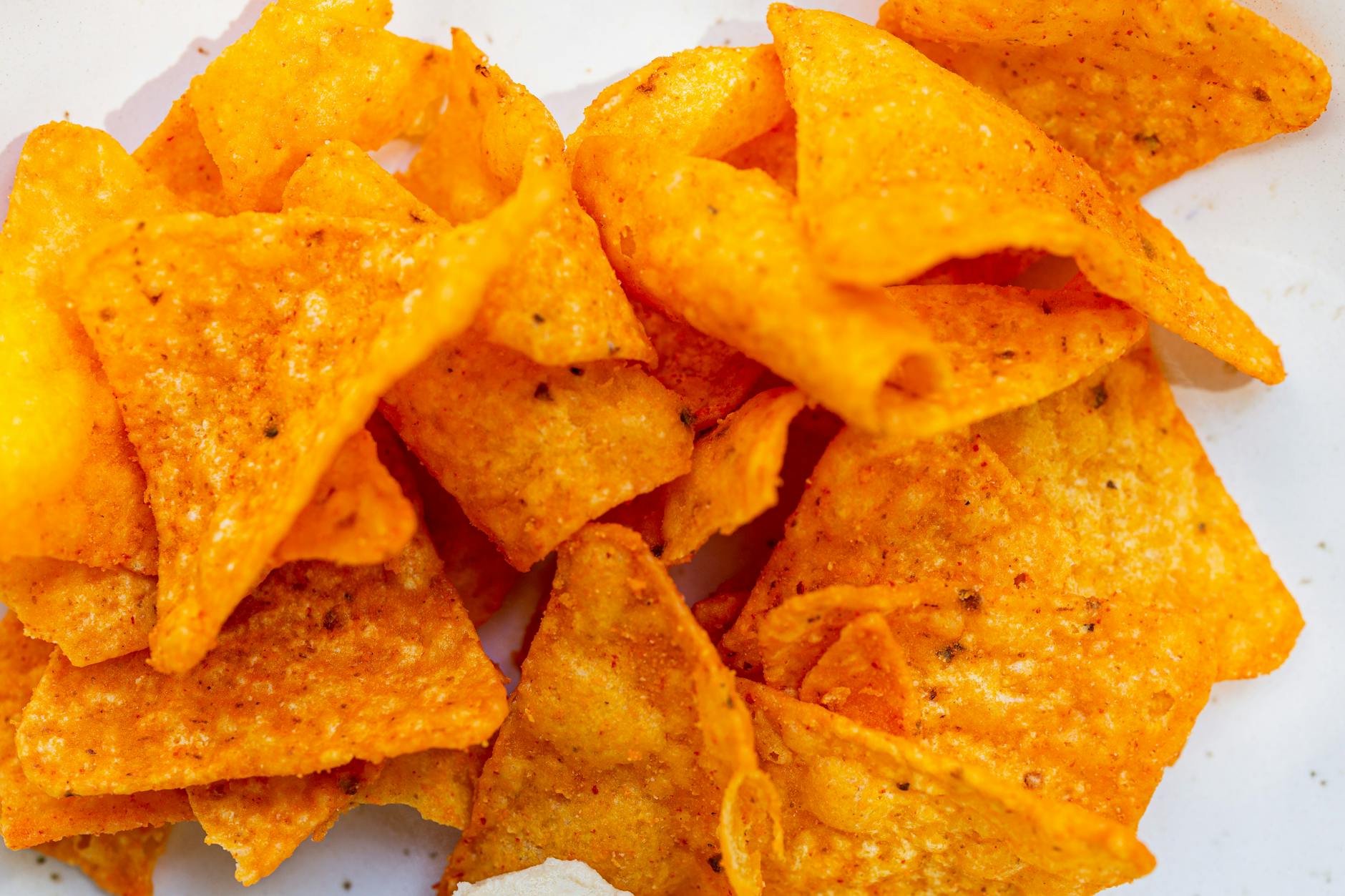
What Makes Whole Foods Better for Brain Health Than Processed Alternatives
The comparison between ultra-processed and whole foods isn’t subtle. Whole foods—fresh vegetables, legumes, nuts, fish, eggs, berries, olive oil—contain bioactive compounds, vitamins, minerals, and omega-3 fatty acids that ultra-processed foods have been stripped of or never contained. A fresh salmon fillet contains astaxanthin, selenium, and EPA/DHA omega-3s that support neurological function. A fish-flavored processed snack contains none of these, plus additives that can trigger inflammation.
The tradeoff is convenience versus longevity and independence. Ultra-processed foods require no cooking, minimal cleanup, and no advanced planning. A whole-food approach requires shopping for fresh ingredients, learning basic cooking skills, and spending 20-30 minutes on food preparation several times a week. For adults over 75 with mobility limitations or cognitive decline already beginning, that barrier is real and shouldn’t be minimized. The practical solution isn’t judgment about food choices—it’s problem-solving about how to make whole foods as accessible as processed ones: working with family, considering meal delivery services that focus on whole foods, or connecting with community programs.
The Inflammation and Gut-Brain Connection—Why Processing Matters
You’ve likely heard the term “inflammation” used loosely in health discussions. In the context of ultra-processed foods and brain health, it’s specific and measurable. Ultra-processed foods high in refined carbohydrates, seed oils, and additives trigger immune responses in the gut that cascade into systemic inflammation. This inflammatory state damages the blood-brain barrier—the selective filter that protects brain tissue—and allows harmful substances to cross into brain tissue more easily. Simultaneously, ultra-processed foods alter the composition of your gut microbiota.
The beneficial bacteria that produce short-chain fatty acids (which support cognitive function) are starved out, while harmful bacteria proliferate. This dysbiosis—microbial imbalance—is linked to increased dementia risk in older adults. The University of Florida’s research on cognitive aging explicitly identified this mechanism: ultra-processed foods → dysbiosis → increased dementia risk. A critical warning: if you’re already experiencing cognitive changes, starting to notice memory issues, or have a family history of dementia, the case for dietary change is urgent. You’re not optimizing performance at the margins; you’re potentially preventing or delaying disease progression. This isn’t a long-term investment—it’s an immediate intervention.

What the 2025-2026 Research Continues to Show
The most recent studies, including 2026 publications in Frontiers in Public Health, have expanded our understanding by examining multiple cognitive domains separately. Rather than looking only at overall cognitive decline, researchers now measure effects on memory, executive function, processing speed, and language independently.
Ultra-processed foods show consistent harm across all these domains in older adults. One example: a study participant with high ultra-processed food consumption might show faster decline in memory (remembering names, appointments) and processing speed (taking longer to understand conversations) while maintaining relatively intact executive function (planning, decision-making). This specificity helps explain why some people notice “brain fog” or “slowness” before noticing major memory problems.
Moving Forward—Practical Brain Health for Adults Over 75
If you’re 75 or older, the question isn’t whether diet affects your brain. It does, and substantially. The question is what to do about it. The most evidence-based approach isn’t eliminating all processed foods overnight—that’s unrealistic and unsustainable—but gradually shifting the balance.
Replacing one processed meal weekly with a whole-food equivalent is better than replacing none. The encouraging finding in recent research is that dietary change can slow—and potentially partially reverse—cognitive decline even after damage has begun. The brain’s neuroplasticity doesn’t disappear at 75. You’re not trying to achieve perfection; you’re trying to tip the scales from harmful to helpful, and that shift can measurably impact your cognitive future over the next 5, 10, or 15 years.
Conclusion
Ultra-processed foods are not beneficial brain food for adults over 75. The scientific evidence overwhelmingly shows they accelerate cognitive decline, increase dementia risk by 37%, and damage the blood-brain barrier through chronic inflammation and dysbiosis. Whether you’re looking to prevent cognitive decline, slow the progression of existing symptoms, or simply maintain independence as you age, reducing ultra-processed food consumption is one of the most evidence-backed dietary interventions available. Start where you are.
Make one change this week—swap soda for water, replace a processed snack with nuts and berries, or add one fish meal. The research shows these aren’t lifestyle luxuries; they’re medical interventions backed by data from thousands of older adults. Your brain aging isn’t predetermined. It responds to what you eat.
You Might Also Like
- Why processed meat Could Be the Most Important Brain Food for Adults Over 75
- Why whole grains Could Be the Most Important Brain Food for Adults Over 50
- Why vegetarian diet Could Be the Most Important Brain Food for Adults Over 40
For more, see CDC — Alzheimer’s and Dementia.