Reviewed by the Help Dementia Editorial Team — our editors review every article for accuracy against guidance from the National Institute on Aging, the Alzheimer’s Association, and peer-reviewed sources.
Season and Tessalon Perles Belongs are two of the most common questions we get. Here is a clear, evidence-based look at what Season actually does for Tessalon Perles Belongs, who it helps most, and when to talk to a doctor.
Tessalon Perles deserve a place in your medicine cabinet during mold season because they offer a non-narcotic way to manage persistent coughs without the sedation, dependency risks, or swallowing complications that traditional cough suppressants can cause. For people managing dementia or supporting aging relatives through seasonal respiratory challenges, this distinction matters—a productive cough season can turn into sleep disruption, falls, and medication interactions that complicate overall health.
- Tessalon Perles Belongs: Table of Contents
- How Does Mold Season Trigger Respiratory Problems and Why Does It Matter More for Aging Adults?
- Why Tessalon Perles Are Safer Than Other Cough Suppressants for Older Adults with Cognitive Changes
- Comparing Mold-Season Cough Management Strategies for Dementia Caregivers
- Practical Steps for Using Tessalon Perles Effectively and Safely During Mold Season
- Potential Side Effects and Drug Interactions to Monitor
- When to Seek Medical Evaluation Rather Than Self-Treat with Tessalon Perles
- Building a Sustainable Seasonal Health Plan Around Respiratory Management
- Conclusion
- Frequently Asked Questions
- You Might Also Like
Tessalon Perles (benzonatate) work by numbing stretch receptors in the airways rather than suppressing the cough reflex centrally, which makes them particularly useful when you need symptom relief without the cognitive or physical side effects that other options carry. Unlike prescription-strength codeine syrups or combination cold medicines that can worsen confusion or increase fall risk, Tessalon Perles provide a simpler, lower-risk option for managing the dry, irritating coughs that often accompany mold exposure and seasonal allergies. During high-mold months, even a healthy person might experience weeks of throat irritation and sleep disruption—add an older adult or someone with cognitive changes into that equation, and you’re facing real quality-of-life challenges that extend beyond just the cough itself.
Tessalon Perles: Table of Contents
- How Does Mold Season Trigger Respiratory Problems and Why Does It Matter More for Aging Adults?
- Why Tessalon Perles Are Safer Than Other Cough Suppressants for Older Adults with Cognitive Changes
- Comparing Mold-Season Cough Management Strategies for Dementia Caregivers
- Practical Steps for Using Tessalon Perles Effectively and Safely During Mold Season
- Potential Side Effects and Drug Interactions to Monitor
- When to Seek Medical Evaluation Rather Than Self-Treat with Tessalon Perles
- Building a Sustainable Seasonal Health Plan Around Respiratory Management
- Conclusion
- Frequently Asked Questions
How Does Mold Season Trigger Respiratory Problems and Why Does It Matter More for Aging Adults?
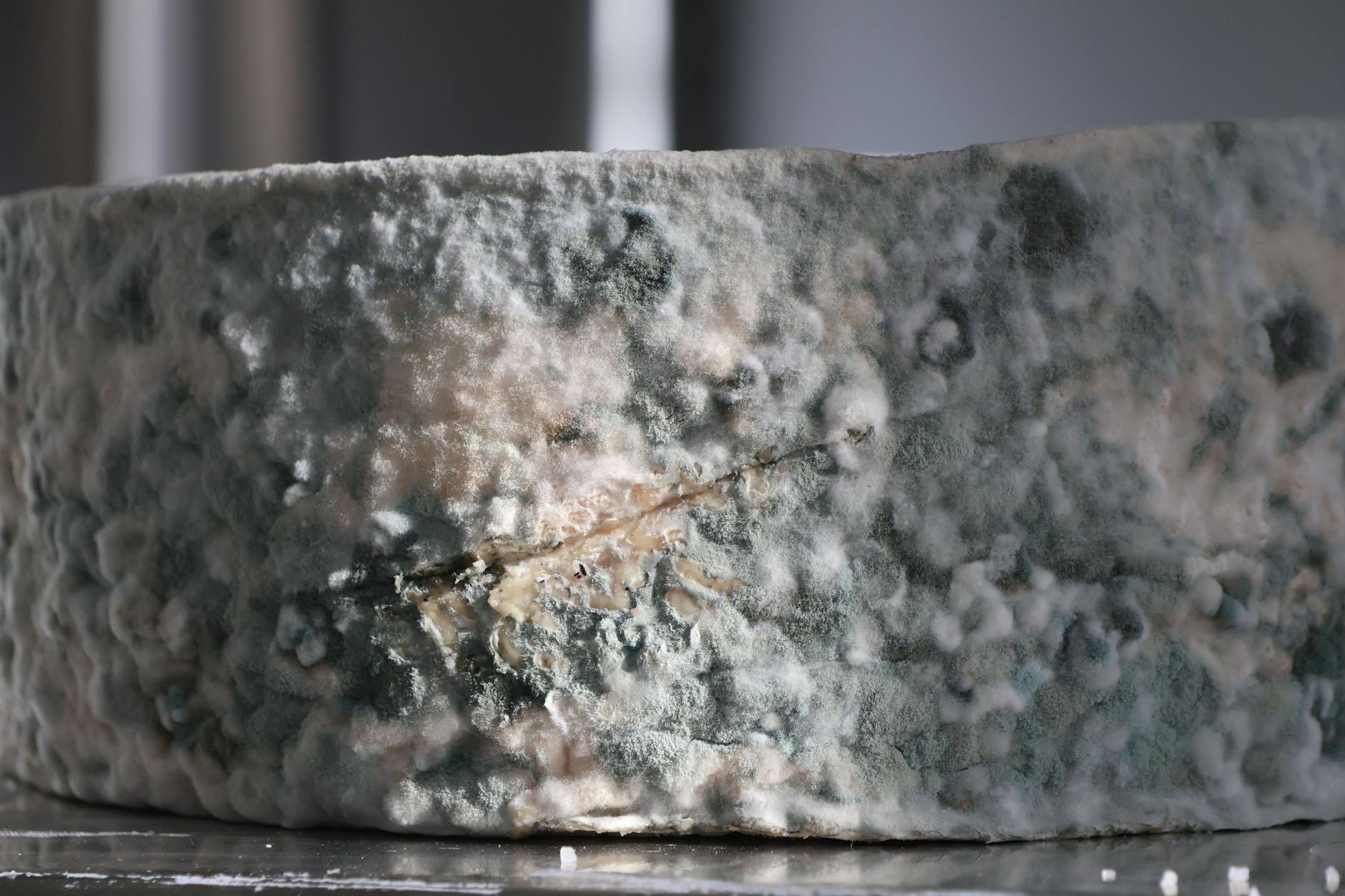
Mold spores peak during humid months and can settle in respiratory passages, triggering inflammation and persistent coughs that feel impossible to suppress. When outdoor mold counts are high, indoor air quality suffers too—particularly in homes where moisture control is difficult or where air filters aren’t changed regularly. For aging adults, seasonal mold exposure creates a compounding problem: their immune response is slower, their airway clearance is less efficient, and their ability to recover from even minor respiratory irritation takes longer.
For someone with dementia specifically, a persistent cough introduces another layer of complexity. A person who struggles with swallowing or who can’t clearly communicate discomfort may not drink enough water to loosen secretions, may aspirate during coughing episodes, or may lose sleep—all of which accelerates cognitive decline and increases infection risk. A caregiver watching someone cycle through nights of coughing and days of exhaustion understands that “it’s just seasonal” isn’t quite true; in a vulnerable person, it’s a genuine health vulnerability that needs managing just as seriously as any other medication-requiring symptom.
Why Tessalon Perles Are Safer Than Other Cough Suppressants for Older Adults with Cognitive Changes
The central nervous system effects of codeine-based cough syrups—drowsiness, dizziness, constipation, and potential for confusion—make them poor choices for aging adults and particularly risky for anyone with memory loss or balance issues. Codeine also carries dependency concerns and can interact with dozens of other medications. Tessalon Perles work locally in the lungs, meaning they’re absorbed and metabolized without the systemic effects that older medications create.
One dose sits in your system for three to eight hours, giving you a predictable window of relief without the “hangover” effect that leaves someone more vulnerable to falls or confusion the next morning. The limitation with Tessalon Perles is that they require swallowing an intact capsule—they cannot be crushed, opened, or dissolved. For someone with severe swallowing difficulties or someone who can’t be trusted to swallow pills safely, this isn’t a workable option, and you’ll need to discuss alternatives with their doctor. Additionally, while the local mechanism is safer, Tessalon Perles still carry a small risk of allergic reaction and can rarely cause numbness in the mouth or throat if the capsule dissolves prematurely, which might be disorienting for someone with cognitive changes.
Comparing Mold-Season Cough Management Strategies for Dementia Caregivers
Humidity control and air filtration address the problem at the source—HEPA filters, dehumidifiers, and regular home maintenance reduce mold spore load and prevent symptoms from developing in the first place. But these strategies take time and investment, and they work best as prevention rather than acute symptom management. Once someone is already coughing through the night, you need something to provide immediate relief while the environmental measures take effect.
Consider the example of Margaret, a 78-year-old living with early-stage Alzheimer’s in a home near the Gulf Coast where mold counts stay elevated for six months yearly. Her daughter tried managing her seasonal cough with honey, humidifiers, and hydration first—all reasonable, non-medication approaches. But Margaret’s cough persisted, she slept poorly, and her confusion worsened as sleep deprivation accumulated. A single Tessalon Perle before bed gave her the first full night of sleep in weeks, and the improvement in her daytime orientation the next morning made clear that the medication was addressing a real problem, not just masking discomfort.

Practical Steps for Using Tessalon Perles Effectively and Safely During Mold Season
Dosing is straightforward—typically one 100 mg capsule three times daily or as needed, with a maximum of six per day. The capsule should be swallowed whole with water, never chewed or sucked. Timing matters: taking one before bed often provides the most valuable relief, since nighttime coughing disrupts sleep more than daytime coughing, and sleep quality is essential for cognitive function and immune response.
You might take a second dose mid-afternoon if symptoms are particularly bothersome, but there’s no benefit to spacing them closer than four hours apart. The tradeoff is that Tessalon Perles work best when used proactively rather than reactively. If you wait until someone is in distress from coughing, it takes 15-30 minutes to feel relief, whereas taking one before bed prevents the coughing from disrupting sleep in the first place. This means using mold counts and seasonal patterns to plan ahead—by late spring or early fall, depending on your region, you’re restocking your medicine cabinet before mold season peaks rather than waiting for the cough to start.
Potential Side Effects and Drug Interactions to Monitor
While Tessalon Perles cause fewer systemic side effects than codeine, some people experience mild drowsiness, dizziness, headache, or nausea—usually transient and mild. A small number of users report an unusual sensation of numbness or tingling in the mouth or throat, which resolves quickly but can be startling if you’re not expecting it. More rarely, allergic reactions can occur, ranging from rash to swelling; anyone with a known allergy to benzocaine or similar local anesthetics should avoid Tessalon Perles entirely.
The warning here is that while Tessalon Perles don’t interact significantly with most medications, your doctor should know about them if someone is on other respiratory medications, sedatives, or medications that affect alertness. This is especially important for anyone taking opioids for pain or other central nervous system medications where even minor additive effects could increase fall risk. In a dementia care context, medication review is crucial because the goal isn’t symptom suppression at any cost—it’s maintaining quality of life and safety while managing what can genuinely be managed.

When to Seek Medical Evaluation Rather Than Self-Treat with Tessalon Perles
Not all persistent coughs during mold season are simple allergic responses. A cough accompanied by fever, chest pain, difficulty breathing, or lasting more than three weeks warrants evaluation for bronchitis, pneumonia, or other infections that require different treatment.
For someone with dementia, the challenge is that they may not be able to report these warning signs clearly, so caregivers need to watch for behavioral changes—increased confusion, reduced appetite, or unusual fatigue—that might signal something beyond seasonal mold exposure. If someone has tried Tessalon Perles for a week with no improvement, or if the cough is interfering with eating or swallowing even with medication, call their healthcare provider rather than assuming this is just a seasonal issue that will pass. Mold-related coughs usually improve within 10-14 days of starting a suppressant once environmental exposure is reduced.
Building a Sustainable Seasonal Health Plan Around Respiratory Management
The most effective approach to mold season isn’t choosing one tool—it’s layering strategies. Use environmental controls (air filters, dehumidification) to reduce exposure, keep hydration and humidity high to support natural airway clearing, and use Tessalon Perles as a bridge medication to preserve sleep and comfort while those other measures take effect.
Over multiple mold seasons, you’ll learn what timing works best for your situation and whether you need medication for the entire season or just the peak weeks. As climate patterns shift and mold seasons extend in many regions, building this kind of proactive health plan becomes increasingly important. Rather than treating each year’s mold season as a surprise crisis, think of it as a recurring health challenge—like managing winter flu risk or summer heat sensitivity—that deserves a coordinated plan implemented before symptoms develop.
Conclusion
Tessalon Perles belong in your mold season medicine cabinet because they address a real problem—seasonal respiratory irritation that disrupts sleep, increases fall risk, and accelerates cognitive decline—with a medication that’s safer than the alternatives for aging adults and people managing dementia. They’re not a complete solution and they’re not appropriate for everyone, but for many caregivers, they’re the difference between a tolerable uncomfortable season and a season that compounds existing health vulnerabilities.
Start by talking with your doctor about whether Tessalon Perles make sense for your situation, and if they do, stock up before mold season peaks in your region. Pair them with environmental controls and good hydration, monitor for any unusual responses, and adjust your approach based on what you learn each year. Seasonal health challenges don’t resolve perfectly, but managing them well means the difference between surviving mold season and thriving through it.
Frequently Asked Questions
Can Tessalon Perles be used long-term or only during mold season?
They can be used as long as symptoms persist and are warranted. However, they’re typically used intermittently rather than continuously—coughs that last more than three weeks deserve medical evaluation. Most people use them for a few weeks during peak mold season, then discontinue once symptoms improve.
Are Tessalon Perles addictive?
No. Unlike codeine-based cough suppressants, Tessalon Perles have no narcotic component and carry no dependency risk. They can be safely started and stopped without tapering.
What’s the difference between Tessalon Perles and dextromethorphan (DM) cough syrups?
Both are non-narcotic cough suppressants, but they work differently. DM suppresses the cough reflex in the brain and is absorbed systemically, which can cause drowsiness and dizziness. Tessalon works locally in the lungs and causes fewer central nervous system effects. For older adults, Tessalon is generally considered safer.
Can someone with swallowing difficulty use Tessalon Perles?
No. Tessalon Perles must be swallowed whole—they cannot be crushed, chewed, or opened. For someone with significant swallowing difficulty, other options should be discussed with their doctor.
How quickly do Tessalon Perles work?
Most people feel relief within 15-30 minutes of taking a capsule, with effects lasting three to eight hours depending on individual metabolism.
Are Tessalon Perles available over the counter?
In most regions, yes—they’re available without a prescription, though some pharmacies keep them behind the counter. Check with your pharmacy about availability in your area, as regulations vary.
You Might Also Like
- Tessalon Perles for Head Cold Pressure: Honest Answer From a Pharmacist
- Why Mucinex Belongs in Your Spring Break Travel Bag
- Why People With Migraine Often Try Advil PM