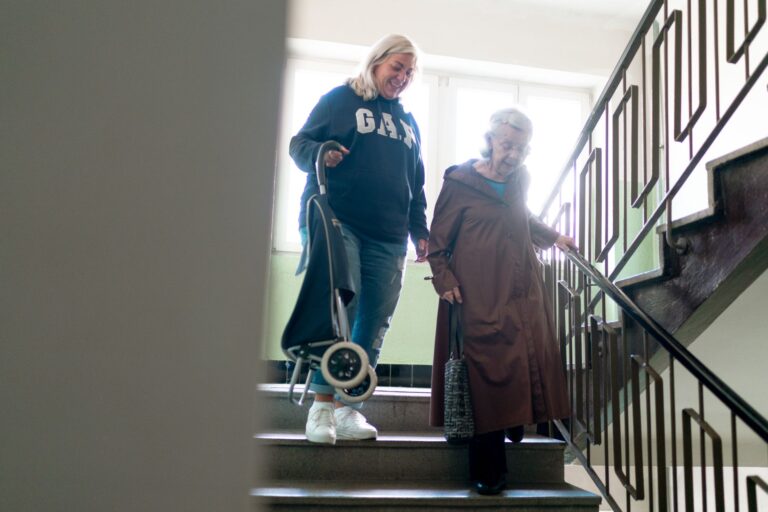
Dementia apps designed for patients often become caregiver tools within months of diagnosis. As cognitive decline progresses, the person living with dementia loses the ability to independently track medications, remember appointments, or self-monitor symptoms—so the spouse, adult child, or hired caregiver becomes the app’s actual user. This happens not by design choice but by necessity: the person who installed the app hoping to help a family member manage their own care finds themselves managing it entirely through the app interface. A wife downloads a medication reminder app for her husband with mild cognitive impairment, planning for him to tap notifications. Within six months, she’s the one logging into the dashboard each morning, checking that he took his pills, and overriding reminders he ignores.
The shift from patient tool to caregiver tool is rarely seamless. Dementia apps typically assume the person using them has intact memory, attention, and decision-making ability. They ask users to input data, set preferences, and understand notifications—tasks that become impossible as dementia advances. Caregivers step in to fill this gap, often frustrated by interfaces designed for someone else. They need features the app was never built for: remote access, visibility into what happened yesterday, alerts when something goes wrong, and the ability to log information on behalf of someone who can no longer do it themselves.
Table of Contents
- Why Caregivers Transition from Support Role to Primary User
- The Design Problem—Apps Built for Patients, Used by Caregivers
- What Caregivers Actually Need from Dementia Apps
- Remote Monitoring and the Caregiver’s Information Gap
- Privacy and Autonomy When the Caregiver Controls the App
- Real-World Example—From Independent Patient to Managed Care
- Technical Features Caregivers Prioritize Over Original Design
- Frequently Asked Questions
Why Caregivers Transition from Support Role to Primary User
The progression from patient user to caregiver user follows a predictable arc tied to cognitive decline. In early stages, a person with mild cognitive impairment might use an app with reminders and cues, gradually becoming less reliable at checking notifications or understanding what they mean. A man with early Alzheimer’s disease receives a reminder to take his morning medication but forgets by the time he reaches the kitchen; his daughter, living two hours away, can’t verify he actually took it. She starts logging in herself, not to manage his care in a controlling way, but because she has no other way to know. By moderate dementia, the person living with the disease typically cannot use any app independently—they don’t remember it exists, can’t navigate the interface, and won’t understand why they’re being prompted to do something.
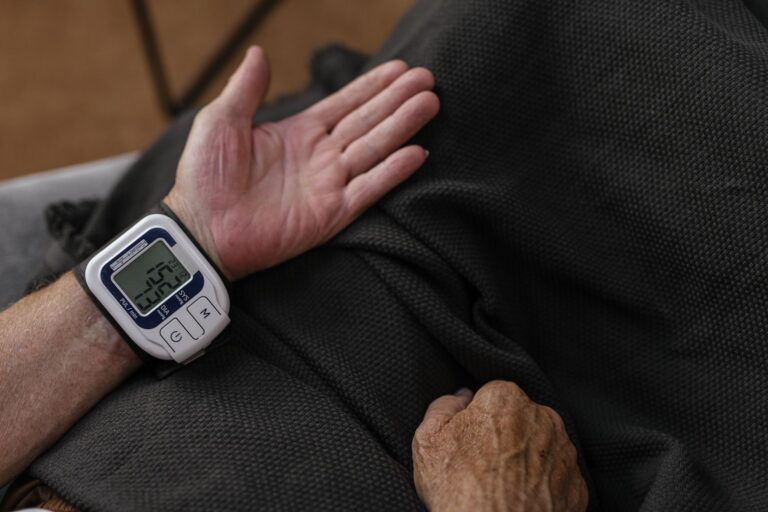
Family caregivers often resist this transition initially, believing independence is worth preserving. They may delay taking over app use because they worry about infantilizing the person or removing autonomy. But this delay costs them in uncertainty and stress. A son discovers that his mother forgot to record her blood pressure readings for three weeks, leaving him unsure whether her numbers are actually stable or if she simply stopped using the app. Once he accepts that he is now the data keeper, he can reliably track patterns instead of guessing.
The Design Problem—Apps Built for Patients, Used by Caregivers
Most dementia care apps make a fundamental design assumption: the person living with dementia is the primary user. Navigation is optimized for simplicity, with large buttons and minimal menus. Data entry is kept minimal because the app’s creators know that complex tasks are difficult for people with cognitive decline. The problem emerges when caregivers try to use these simplified interfaces to do their actual work—tracking medication adherence, noting behavioral changes, communicating with medical providers, or managing daily schedules. A caregiver managing care through an oversimplified app faces real limitations. An app that allows a patient to record “I took my medication” with a single tap doesn’t allow a caregiver to view compliance history, set up alerts for missed doses, or export records for a doctor’s appointment.
An app designed to send reminders to the person with dementia may not allow the caregiver to customize reminder timing or see whether the reminders were effective. Some apps actively resist caregiver involvement, requiring the person living with dementia to log in and control their own account, which becomes impossible as their condition worsens. The caregiver is then locked out of the very tool they need to help manage care. This design mismatch creates work-arounds. Caregivers screenshot app screens, keep parallel paper logs, or switch to apps that were never designed for dementia at all—generic calendar apps, medication trackers, or fitness apps—simply because those tools offer the features they actually need. Each work-around adds friction and increases the chance that important information gets lost or forgotten.
What Caregivers Actually Need from Dementia Apps
Once a caregiver becomes the primary user, their needs are specific and different from the original patient-user design. They need to see historical data—not just today’s medications, but a month-long adherence pattern. They need alerts when something goes wrong: when a medication is skipped, when a scheduled activity is missed, when vital signs fall outside a safe range. They need the ability to input information on behalf of the person—logging a meal eaten, recording blood pressure, noting a behavioral change—without requiring the person with dementia to do anything. They need access from multiple devices and the ability to share information with other people involved in care: a spouse, an adult child, a paid caregiver, a nurse at a clinic.
A daughter using a dementia app to help manage her mother’s care needs to know whether her mother ate lunch, whether she seems confused today, whether she’s taken her evening medications. She needs this information quickly and clearly, often while managing care for her own family and working full-time. An app that requires her to log in, navigate three menus, and interpret data in a format designed for the patient’s simplicity is slower and less useful than a dashboard that shows her key information at a glance. The most useful dementia apps for caregivers include features that patient-focused design would never include: remote medication administration confirmations, video monitoring in some cases, integration with electronic health records, and the ability to generate reports for doctors. These features aren’t about control or surveillance; they’re about basic care management in a situation where the person receiving care can no longer manage it themselves.
Remote Monitoring and the Caregiver’s Information Gap
Long-distance caregiving creates a specific pressure that dementia apps must solve. An adult child whose parent lives alone in another state cannot physically see whether their parent is taking medications, eating regularly, or experiencing a health change. Before smart apps, this gap meant constant phone calls, unannounced visits, or the stress of never knowing what’s really happening. Apps fill this gap by giving the caregiver remote visibility into what their parent is doing—or not doing. A monitoring app that logs medication use, tracks activity patterns, or records meals allows a caregiver to stay informed without intrusive check-ins. But this convenience carries a trade-off: the caregiver becomes responsible for acting on information they receive.
If an app shows that a parent hasn’t eaten since yesterday, the caregiver must decide whether to call and remind them, drive over to the house, or arrange for someone to check in. The app creates knowledge but not action; the caregiver must take responsibility for responding. Some long-distance caregivers find that app monitoring actually adds stress rather than relieving it. An adult child receives an alert that their mother’s blood pressure is elevated, but they don’t know why—is it the time of day? Missed medications? A medical problem? Living hours away, they cannot investigate in real time. The constant stream of alerts, even when most are explained by simple factors, can create anxiety rather than peace of mind. The app is most useful when paired with clear thresholds for which information truly requires caregiver action versus what is normal variation.
Privacy and Autonomy When the Caregiver Controls the App
The shift to caregiver as app user creates tension around privacy and autonomy that most dementia apps don’t adequately address. When a caregiver logs into an app to monitor and manage care, they gain visibility into data that the person living with dementia may or may not consent to share. In early stages of cognitive impairment, a spouse setting up an app to help manage care should ideally discuss it with their partner: “I’m going to track your medications because neither of us wants you to miss a dose. Is that okay?” But this conversation often doesn’t happen, or happens in a way that downplays what the caregiver will actually be able to see and do. As dementia progresses, consent becomes impossible—the person no longer understands what the app is or what it tracks. This is ethically complex. A caregiver needs to know what’s happening in order to do their job safely, but constant monitoring can feel like surveillance.
The person living with dementia may feel watched, confused, or infantilized, even if they cannot express why. Some dementia apps include minimal privacy protections because they assume the caregiver is the appropriate user and decision-maker. Others lock features behind consent screens, creating barriers for caregivers who are trying to do necessary work. A critical limitation: few dementia apps help caregivers think through the ethics of monitoring versus privacy. There are no easy answers. A caregiver who logs into a medication app to confirm adherence isn’t doing anything wrong, but one who uses motion sensors to track their parent’s movement throughout the house is operating in grayer territory. Apps rarely help caregivers distinguish between necessary oversight and invasive surveillance, leaving this judgment entirely to the caregiver.
Real-World Example—From Independent Patient to Managed Care
Consider a concrete case of an app’s purpose shifting as dementia progresses. A 72-year-old man with early Alzheimer’s disease downloads a calendar and task app at his wife’s suggestion, thinking it will help him remember appointments and to-do items. For the first few months, he uses it moderately well. His wife notices that he forgets to check it, but when she reminds him to look at the app, he can see what’s there. She sets up reminders for his daily medications and twice-weekly doctor visits. By month six, he rarely checks the app unprompted.
He doesn’t remember why he should look at it, and the reminders don’t motivate him to do anything other than dismiss the notifications. His wife realizes she is now checking the app more than he is, and she starts logging into his account herself to see the calendar and to input information. She notes his daily medications to verify he took them (he often did not), adds notes about his doctor visits, and uses the app’s reminder function to prompt him at specific times—not trusting him to check the app, but hoping the notification will trigger his compliance. By month twelve, the app has completely transformed. His wife still uses it daily, but the man with Alzheimer’s has stopped using it altogether. It’s now a caregiver tool, not a patient tool. The wife is the only user with meaningful input, and she’s using it to organize her own caregiving work—tracking not what he remembers, but what she needs to remember about his care.
Technical Features Caregivers Prioritize Over Original Design
When caregivers become the primary app users, they prioritize features that original patient-focused designs rarely emphasized. Export and reporting capabilities rank high on a caregiver’s priority list; they need to generate medication reports for doctors, activity summaries for family meetings, or health records that can be transferred to a new care setting. A patient using an app for themselves would rarely need to export their own data, but a caregiver managing care across multiple providers needs to move information fluidly. Integration with medical records and provider communication matters far more to caregivers than to the original patient-user audience. The ability to share medication lists with a pharmacy, sync appointments with a doctor’s office, or alert a healthcare provider to a concerning change happens in the caregiver’s workflow, not the patient’s. An app that works only as an isolated tool—tracking information without connecting to the broader care system—creates extra work for the caregiver, who must then manually forward information to the people who need it.
Reliability and simplicity of the interface matter differently for caregivers than for the original design target. A patient-focused app might prioritize beautiful visualizations, engaging notifications, or gamification of health behaviors. A caregiver using the same app wants rock-solid uptime, a clean dashboard showing what they need to see, and the absolute certainty that if they tap a button, the information they entered was saved. A caregiver doesn’t want to wonder if the medication log they just filled out actually made it into the system. They need to trust the app’s basic function, not be delighted by its design. An app that is 95% reliable is inadequate if the 5% failure rate means missed medication records or lost health information.
Frequently Asked Questions
At what point should I stop expecting my loved one to use the dementia app themselves?
When you find yourself checking the app more often than they do, when they don’t remember why they’re using it despite your reminders, or when their adherence drops sharply and you realize they’re forgetting to interact with it—those are signals that you’re now the primary user. Rather than fight this transition, accept it and shift your approach to using the app for your own caregiving needs.
Is it unethical to monitor someone’s medications and activities through an app?
Basic monitoring of medication adherence and safety is ethical and necessary care management. The line becomes less clear with features like location tracking or video monitoring. Ask yourself: Is this helping me keep my loved one safe, or is this surveillance that makes them feel watched? Discuss monitoring with healthcare providers and ideally with your loved one while they can still understand and consent.
What if the dementia app we chose doesn’t have features I need as a caregiver?
It’s okay to switch apps or use multiple tools. You might use the original app because your loved one still recognizes it, while also using a separate caregiver tracking app that has the features you actually need. Don’t force a patient-focused tool to do caregiver-level work if it’s not designed for it.
How do I keep my loved one from feeling infantilized by my use of a monitoring app?
Be transparent when they’re still able to understand. Keep the app in the background of daily life rather than constantly referencing it. Focus on the practical benefit—”This helps me make sure you get your medications”—rather than treating it as surveillance. As dementia progresses, this becomes less of a concern, as your loved one won’t be aware of the monitoring.
Should I share caregiver app access with other family members?
Yes, if multiple people are involved in care—a spouse, adult children, paid caregivers, or other family. But establish clear roles: who’s responsible for logging daily information, who receives alerts, who has the authority to change settings. Too many people with app access can create confusion and duplicate effort.