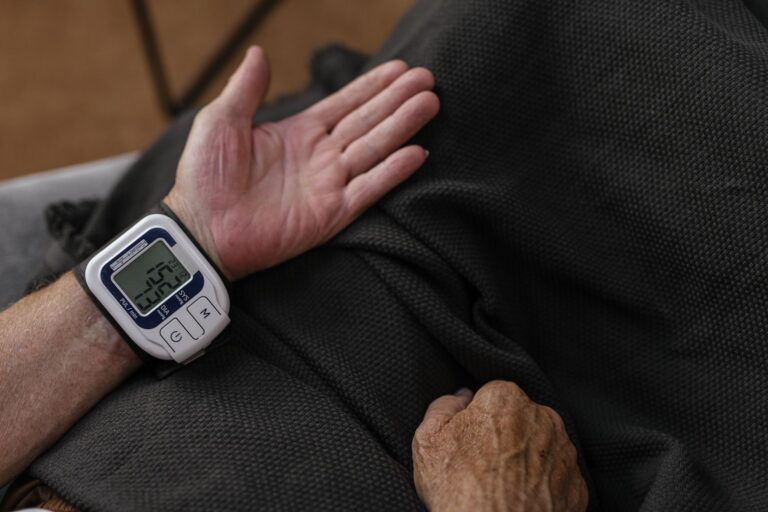
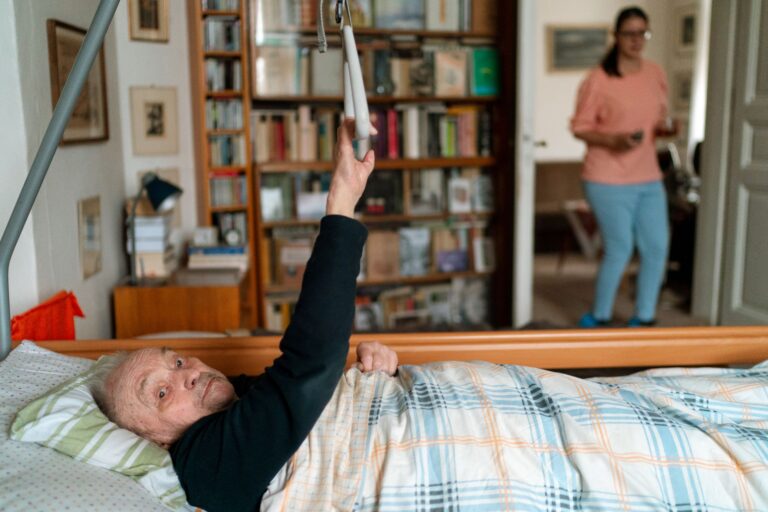
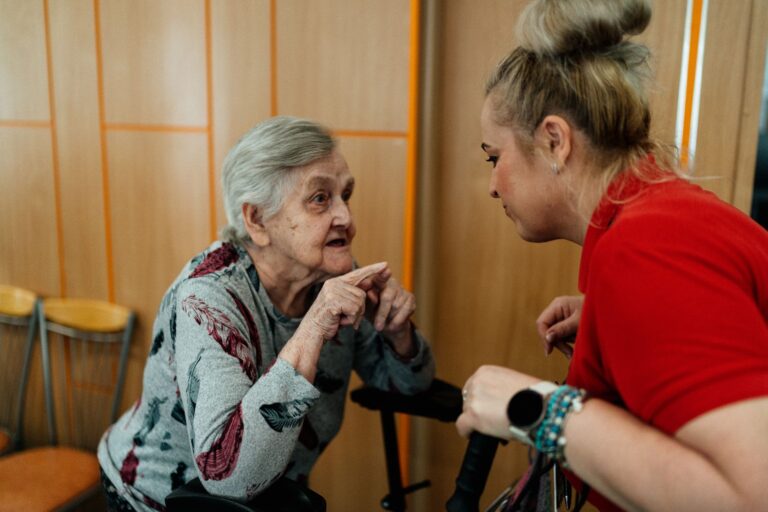
Consent and dementia monitoring clash because the same cognitive decline that makes monitoring necessary also erodes the person’s ability to give informed permission. A person with early-stage dementia may agree to a GPS tracker on Tuesday but not remember that conversation by Friday, then feel watched and violated when they see it. This creates a fundamental problem: monitoring is often medically and practically essential for safety—preventing wandering, falls, medication errors, and scams—yet the people most in need of it are the least able to consent to it in the ongoing, conscious way consent normally requires. The complication deepens because consent isn’t a single yes or no.
It exists in layers—legal capacity, emotional comfort, repeated understanding, and the right to change one’s mind. Dementia erodes all of them at different rates. A person might retain legal capacity to consent to monitoring early on, then lose it months later without anyone formally acknowledging the shift. Family members, physicians, and the person with dementia themselves often disagree about whether monitoring is protective oversight or privacy invasion, and these disagreements happen precisely when communication becomes hardest.
Table of Contents
- How Cognitive Decline Undermines Ongoing Consent
- The Legal and Ethical Trap of Diminished Capacity
- Family Conflict and Hidden Motivations
- When and How to Actually Get Consent (Before You Think You Need To)
- The Risk of Consent Becoming a Rubber Stamp for Neglect
- Documentation and the Limits of Legal Protection
- Balancing Safety and Autonomy When Agreement Isn’t Stable
How Cognitive Decline Undermines Ongoing Consent
Memory loss is the obvious barrier, but the problem runs deeper than forgetting a conversation. A person with moderate dementia might understand the explanation of a monitoring device in the moment and genuinely agree to it, meeting the traditional criteria for informed consent. But that understanding evaporates an hour later. When they later find the device or notice location notifications, they experience the monitoring as a sudden, unexplained intrusion rather than a choice they made.
They may become upset, paranoid, or feel trapped—even though technically they consented. This creates a consent gap: the person can consent once, but cannot maintain or re-consent continuously as their memory resets. A spouse might say, “I’ve explained the GPS watch to him a hundred times,” but the hundredth explanation lands on someone with no memory of the previous ninety-nine. The person’s emotional reaction each time—confusion, anger, resistance—is completely genuine, even if it contradicts the consent they gave when they were lucid. Some families resort to hiding monitoring devices or using them without telling the person, moving from consent into surveillance, because they feel the alternative—repeatedly having to justify the monitoring—is cruel or exhausting.
The Legal and Ethical Trap of Diminished Capacity
Capacity to consent isn’t binary; it typically deteriorates on a spectrum. In the early stages, a person with dementia may still have legal capacity to make their own decisions, including refusing monitoring. Yet their family and doctors may believe the refusal is irrational or dangerous—arising from paranoia or memory loss rather than genuine preference. Should the person’s refusal be respected, even if it puts them at serious risk? Legal systems don’t provide clear answers, and different jurisdictions handle this differently. If capacity is formally declared lost—through a court process, power of attorney, or guardianship—then surrogate decision-makers (usually family) legally take over. But surrogate decision-making frameworks expect the substitute to honor the person’s “known wishes,” values, and prior preferences.
The problem is that someone who adamantly refused monitoring before developing dementia might, after cognitive decline, become a serious wandering risk. Did the person’s earlier refusal apply to this new, more dangerous situation? Courts and ethicists disagree. A person might have said, “Don’t treat me like I’m helpless,” but now be genuinely unable to recognize their own home. The prior stated preference can feel outdated or even cruel to apply now. This legal uncertainty leaves families and doctors in a gray zone, where monitoring decisions are often made informally, behind closed doors, without the formal safeguards that would apply to other decisions (like surgery or admission to a facility). That informality can mean protection, but it can also mean that nobody—not the person with dementia, not their family, not their doctor—has clearly thought through the justification or considered alternatives.
Family Conflict and Hidden Motivations
Dementia monitoring decisions almost always involve multiple people with competing interests and unstated agendas. One adult child may push for aggressive monitoring (“We need to know where Mom is at all times”) while a sibling argues it’s infantilizing and unnecessary. The spouse may want monitoring for safety but fear that admitting the need signals the end of independence. The person with dementia may resist monitoring because it feels like the family doesn’t trust them, triggering shame and anger that mask their genuine safety needs. Real example: A 72-year-old with early Alzheimer’s agrees to let her daughter install location tracking on her phone. But the daughter checks the location obsessively, sometimes knowing where her mother is in real time, sometimes driving to her location unannounced “just to check.” The mother, who doesn’t remember giving permission, begins to feel surveilled and controlled.
She removes the app, her daughter reinstalls it, and the mother becomes hostile and depressed. The monitoring was meant to provide safety, but the way it’s used—not just tracking location but enabling constant oversight—transforms it into control. The original consent became irrelevant the moment the implementation went beyond what the person would have wanted. Families also sometimes use monitoring as a workaround for deeper problems: a person who needs more supervision than family can provide, a decision to move a person to assisted living that hasn’t been made directly, or a family member’s anxiety that exceeds the actual safety risk. Monitoring a person with early-stage dementia who is still capable of living alone—installing door sensors, motion alerts, and GPS without their clear, ongoing understanding—might reflect the family’s fear more than the person’s actual need. This doesn’t mean the monitoring is wrong, but it does mean the consent framing is misleading. The person is consenting to safety measures, but the family is actually implementing constraint.
When and How to Actually Get Consent (Before You Think You Need To)
The clearest consent happens early, before memory loss becomes severe. Some people, while they still have intact decision-making capacity, explicitly state their preferences about future monitoring. A person with early-stage Alzheimer’s might say, “If I start to wander, use a GPS tracker. I trust my kids to decide what I’d want, and I won’t remember giving this permission, but I want you to do it.” That conversation, documented in writing and witnessed if possible, provides a foundation that feels more ethically grounded than making decisions later under crisis conditions. But getting that early consent requires timing and honesty.
Doctors should ideally raise the topic during a cognitive assessment or after a diagnosis, framing it as one of several decisions to make while the person still has capacity. Yet many physicians avoid this conversation because it feels premature or frightening. The person with dementia may not want to think about future decline, and family may worry that discussing monitoring in advance will provoke unnecessary conflict. So the conversation gets postponed until a crisis—a fall, a missed medication, a wandering incident—forces the issue in the worst possible way. At that point, the person may be less capable of understanding, and the family is driven by urgent fear rather than careful planning.
The Risk of Consent Becoming a Rubber Stamp for Neglect
Monitoring can serve as a false substitute for actual care. A family might install a fall-detection alert system, consider the consent box checked, and feel they’ve solved the safety problem. But if nobody actually responds quickly to the alerts, or if the person is still living alone without adequate supervision, the monitoring technology provides the family with a sense of control and safety that doesn’t actually protect the person. Consent to monitoring doesn’t consent to using it as a replacement for in-person care or appropriate supervision levels.
Similarly, consent can be weaponized against the person. If a family has obtained some form of agreement to monitoring—even years earlier, even when the person didn’t fully understand—they may use that past consent to justify increasingly invasive surveillance. A GPS watch becomes a motion sensor in the bedroom becomes constant video monitoring. The initial consent isn’t valid for all the later expansions, but it gets cited as though it is. This is especially risky in situations where a family member is isolating the person with dementia (a form of abuse) while pointing to past monitoring agreements as proof they’re acting in the person’s interest.
Documentation and the Limits of Legal Protection
Families who want to protect themselves and ensure their monitoring decisions can withstand challenge often try to document consent in writing. A person with mild cognitive impairment signs a form agreeing to location tracking; the family keeps the signed document as evidence. But this documentation has limits. A signed form made on a good day doesn’t prove the person consented when they’re confused or refused on a bad day. It doesn’t account for the person’s capacity to consent to what monitoring actually means once it’s implemented versus what they imagined.
And if the person’s condition worsens, the relevance of an old consent form becomes questionable. A signature from someone with mild memory loss may not reflect who that person is now. Legal guardianship or power of attorney provides more formal authority, but it doesn’t eliminate ethical complications. A power of attorney might give a family member legal permission to make monitoring decisions, yet ethically that family member still needs to try to honor the person’s values and preferences, even if they’re hard to discern. Many families don’t realize that legal authority doesn’t actually answer the hard ethical questions—it just shifts the decision-making power without necessarily clarifying what the right decision is.
Balancing Safety and Autonomy When Agreement Isn’t Stable
In practice, many families solve the consent problem by making unilateral decisions and not disclosing full details. A caregiver might tell a family member, “I’ll install a motion sensor in the kitchen to alert us if you fall,” but not mention that it also tracks patterns of nighttime movement (which could reveal declining ability to get to the bathroom safely). The family gets the safety information they need, and the person isn’t forced to consciously consent to monitoring they might refuse. This avoids conflict, but it’s not consent in any honest sense—it’s selective disclosure and benevolent deception.
Some families try to maintain the person’s autonomy by checking in repeatedly: “Are you still okay with the GPS watch?” But this ritual consent often feels hollow. The person might agree because they’ve agreed before and have learned it’s easier to go along with family wishes, or because they don’t remember the previous agreements and assume there must be a good reason for the device. The repeated asking doesn’t restore genuine consent if the person’s capacity to understand and voluntarily decide has already declined. It may even become coercive in a subtle way: if the person knows the family will insist regardless, agreeing seems like the only practical choice.
- —